



The Golden Power Couple
Turmeric (haldi) and ginger (adrak) are rhizomes, or root stems, that belong to the same plant family. For thousands of years, they have been staples in our kitchens and traditional medicine. Ginger provides a pungent, spicy heat, while turmeric offers
an earthy, slightly bitter warmth and a brilliant golden-yellow hue. Together, they create a balanced and complex flavour base that is essential to countless Indian dishes, from simple dals and sabzis to elaborate curries and biryanis. Their magic lies in their synergy; they don't just coexist in a recipe, they elevate each other.
Turmeric: The Vibrant Healer
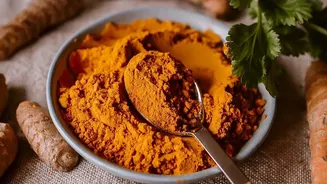
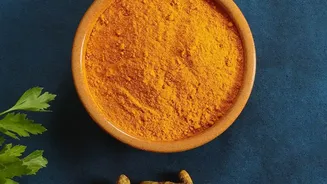
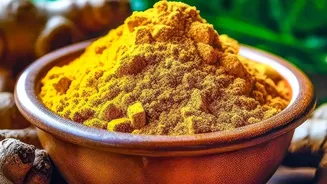
Turmeric's most famous quality is its stunning colour, but its contribution is far more complex. Its flavour is earthy and peppery. The main active compound in turmeric is curcumin, a powerful antioxidant with anti-inflammatory properties. However, curcumin is not easily absorbed by the body on its own. A simple kitchen trick can dramatically increase its effectiveness: pairing it with black pepper. The piperine in black pepper can boost curcumin's bioavailability by up to 2,000%. You can use turmeric in both fresh and powdered forms. Fresh turmeric, which looks like a smaller, orange version of ginger, has a brighter, more lively flavour. Powdered turmeric is more convenient and concentrated.
Ginger: The Aromatic Energiser
Ginger is prized for the fiery, pungent kick it adds to food and drinks. This versatile root can be used fresh, dried, powdered, or as a paste. The primary bioactive compound in fresh ginger is gingerol, which is responsible for many of its medicinal properties, including its potent anti-inflammatory and antioxidant effects. Ginger is a well-known remedy for nausea and digestive issues, helping to soothe an upset stomach. In cooking, it cuts through richness and adds a fresh, aromatic layer of flavour that is indispensable in marinades, stir-fries, and of course, a classic cup of masala chai.
A Perfect Pair in the Kitchen
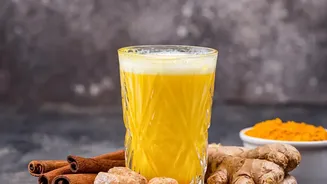
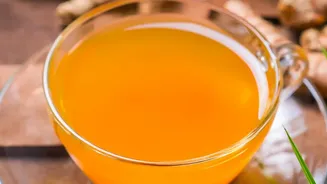
The combination of turmeric and ginger is a cornerstone of Indian cooking. The sharp heat of ginger is mellowed by the earthy depth of turmeric. This pairing works beautifully in a variety of preparations. Start your day with a soothing tea made by simmering fresh slices of both roots in water. Add a paste of fresh ginger and turmeric to your dal tadka, or use the powders in the masala base for any curry or sabzi. This duo also shines in marinades for chicken or fish, and can even be pickled together for a zesty condiment to accompany meals.
Easy Ways to Use Them Daily
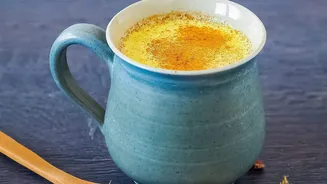
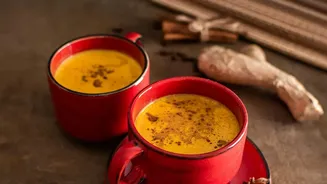
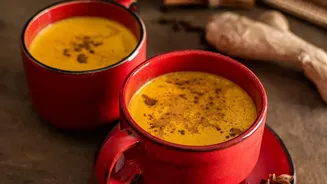
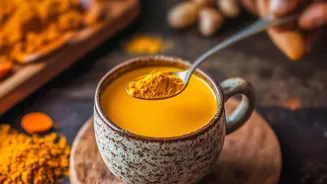
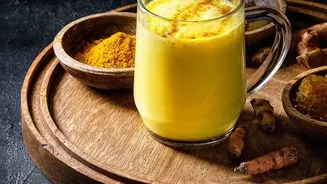
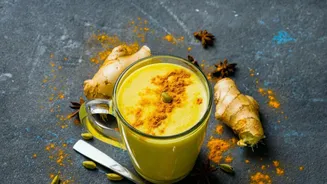
Incorporating more turmeric and ginger into your diet doesn't require complex recipes. Simply adding finely grated fresh ginger and a pinch of turmeric powder to your morning smoothie can provide a flavour and health boost. When cooking rice or quinoa, add a small amount of turmeric to the water for a beautiful colour and subtle flavour. A simple and popular preparation is 'golden milk', made by warming milk with turmeric, ginger, and a crack of black pepper, often sweetened with a little honey. You can also make a simple chutney by grinding fresh turmeric and ginger with garlic and green chillies.
Buying and Storing for Freshness
When buying fresh ginger and turmeric, look for firm, plump roots with smooth skin. Avoid any that appear soft, wrinkled, or mouldy. To store them, pat the roots dry and keep them in the refrigerator. Fresh ginger can last for about three weeks in the fridge, while fresh turmeric lasts for one to two weeks. For longer storage, you can freeze both roots. It's best to chop or grate them into usable portions before freezing, so you can easily take out what you need. When frozen, they can last for several months without losing much of their potency.