

The Allure of the ‘Natural Botox’ Plant
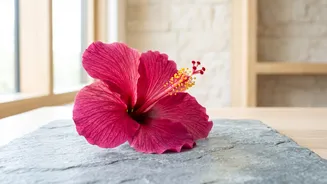
The global market for botanical ingredients is booming, with consumers increasingly drawn to products perceived as natural and clean. In this green wave, few ingredients have captured the imagination quite like African hibiscus, specifically the Hibiscus
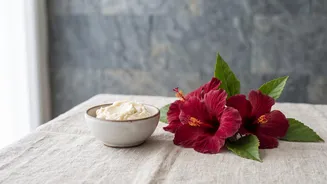
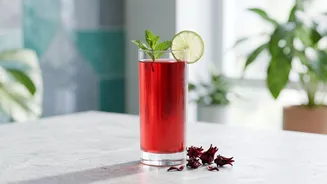
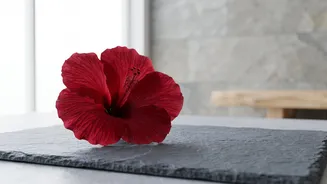
sabdariffa species. Traditionally used in teas and foods, its vibrant red flowers are now a staple in the beauty aisle. Brands have nicknamed it the ‘Botox plant’, a catchy phrase suggesting it can dramatically firm skin and smooth wrinkles without needles. This clever marketing taps into a powerful desire for effective, non-invasive anti-ageing solutions. But while the nickname is memorable, it's not literally true; hibiscus works on the skin's surface and cannot replicate the muscle-relaxing effects of a medical Botox treatment.
Claim: It Erases Wrinkles and Firms Skin
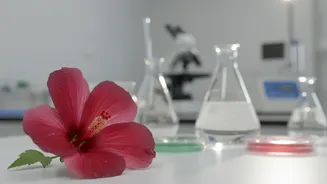
The most powerful claim is that hibiscus acts like a natural injectable. The science behind this centres on its ability to inhibit the activity of elastase, an enzyme that breaks down our skin’s natural elastin. Elastin is the protein that allows skin to 'snap back' and maintain its firmness. Some research also shows certain compounds in hibiscus, like myricetin, can help suppress the enzymes that degrade both collagen and elastin. While these lab-based findings are promising, there is a crucial gap: a lack of robust clinical trials on human skin to prove that a topical cream or serum can deliver these results in a real-world setting. A recent 12-week clinical trial did show that an oral hibiscus supplement improved skin elasticity and reduced wrinkle depth, but this evidence doesn't directly apply to topical products. So, while hibiscus may help protect the skin's structure, calling it a miracle firming agent is an overstatement based on current evidence.
Claim: It’s a Potent Antioxidant Powerhouse
This claim has more solid footing. Hibiscus is naturally rich in antioxidants, particularly a class of compounds called anthocyanins, which give the flowers their deep red colour. These antioxidants help your skin fight off damage from free radicals—unstable molecules generated by UV radiation and pollution that lead to premature ageing. By neutralising these aggressors, antioxidants can help protect skin and reduce inflammation. The antioxidant capacity of hibiscus is well-documented in lab studies, making it a genuinely useful supportive ingredient in a daily skincare routine to help protect against environmental stressors. Think of it as another layer of defence, working alongside your daily sunscreen.
Claim: It Gently Exfoliates for a Brighter Complexion
Another common benefit attributed to hibiscus is its exfoliating ability. The plant contains natural organic acids like citric acid and malic acid, which are types of alpha-hydroxy acids (AHAs). AHAs work by breaking down the bonds holding dead skin cells to the surface, encouraging cell turnover. This process can lead to a smoother, brighter, and more even-toned complexion over time. The acids in hibiscus are considered gentle, making it a good option for those who find synthetic AHAs too harsh. This mild exfoliating effect can help purify the skin and reduce the appearance of clogged pores, contributing to a fresher look.
Claim: It Provides Intense Hydration
Many products also highlight hibiscus for its moisturising properties. This is largely due to the plant's high mucilage content. Mucilage is a sticky, gel-like substance that plants produce to store water. When used in skincare, it acts as a humectant, helping to draw moisture to the skin and prevent it from evaporating. This can leave the skin feeling softer, more supple, and hydrated for longer. For those with dry or dull complexions, a product containing hibiscus extract may provide a noticeable boost in moisture.