


A New Roadmap to the Moon
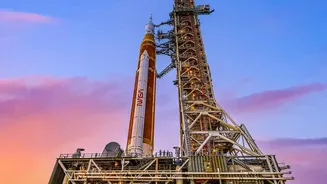
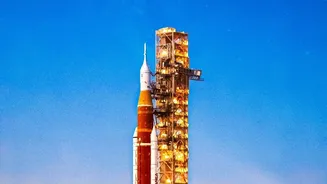
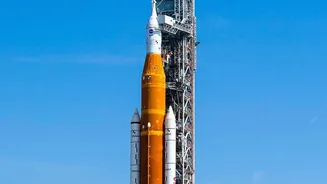
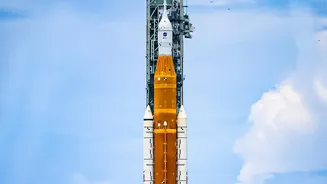
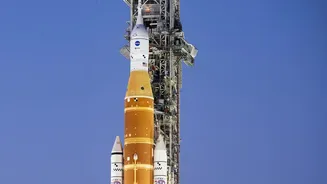
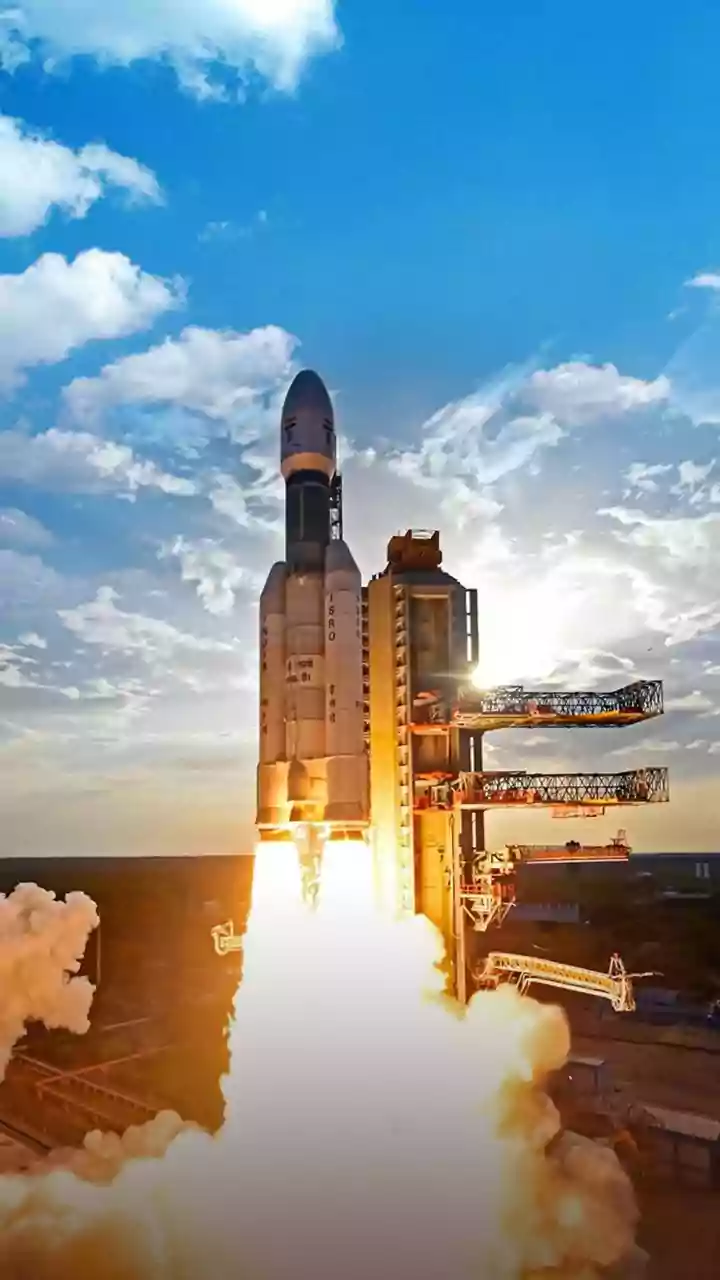
In a significant strategy shift, NASA has restructured the next phase of its lunar ambitions. The Artemis III mission, once slated to be the historic return to the lunar surface, will now launch in 2027 as a critical test flight in low-Earth orbit. During
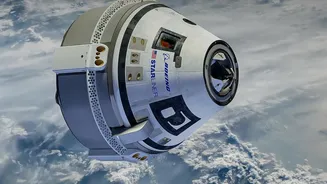
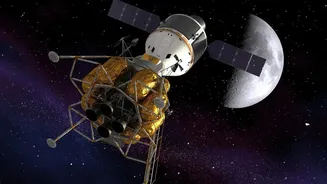
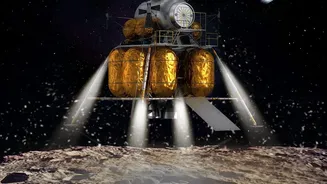
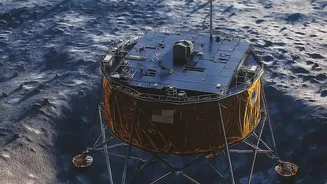
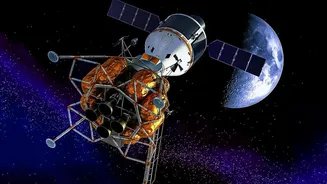
this 14-day mission, four astronauts will rendezvous and practice docking with two different commercial lunar landers—SpaceX's Starship and Blue Origin's Blue Moon—without landing. This change pushes the first crewed landing to Artemis IV, now targeted for early 2028. This will be followed closely by a second landing, Artemis V, later the same year, kicking off a plan for more frequent, almost annual, missions to the Moon.
Why the Sudden Urgency?
The drive to accelerate comes from a mix of practical and strategic pressures. Internally, NASA wants to increase its launch cadence to keep its workforce's skills sharp and maintain momentum. More importantly, there's a growing geopolitical dimension. NASA Administrator Jared Isaacman has noted that the United States is in a 'second space race', citing China's own ambitious plans to land astronauts on the Moon by 2030. By establishing a presence and setting precedents for conduct, the U.S. aims to maintain its leadership role in space exploration. This restructured approach, with more missions in quick succession, is designed to de-risk the complex process of lunar landings and prove the technology is sound before committing astronauts to the surface.
More Than Just Flags and Footprints
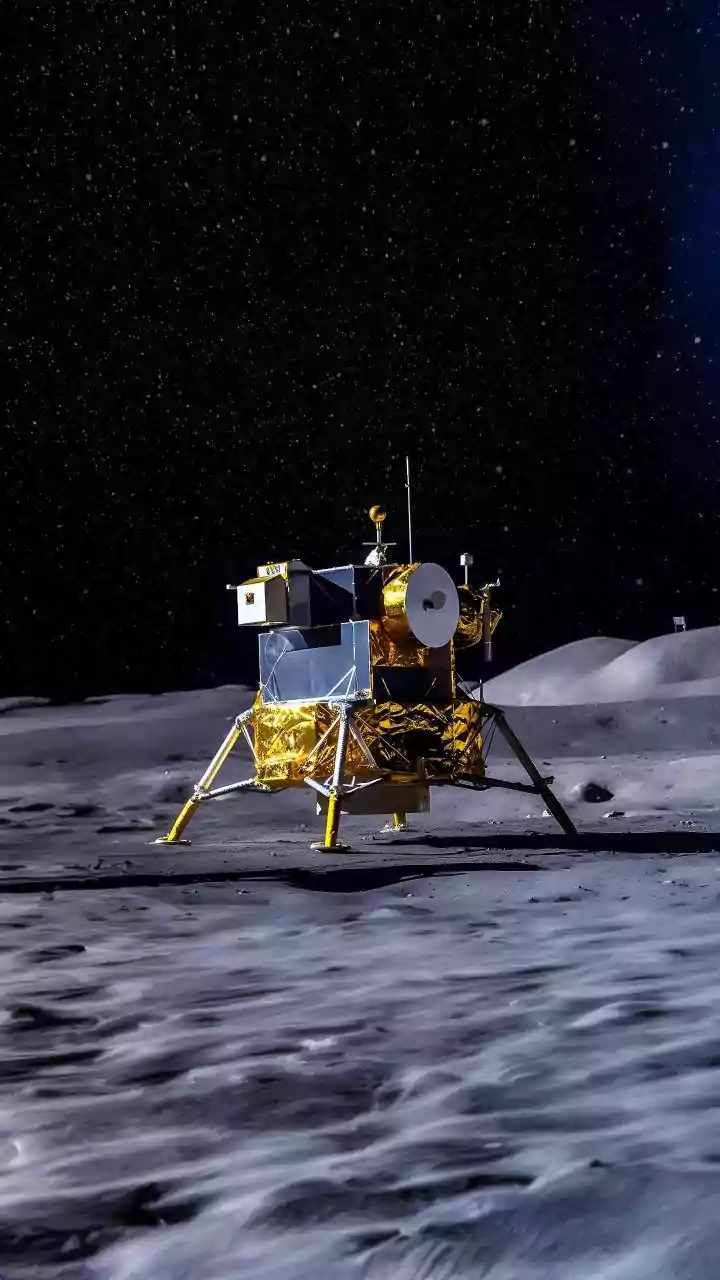
Unlike the Apollo missions of the 20th century, Artemis is not just about planting a flag. The ultimate objective is to build a sustainable, long-term human presence on and around the Moon, including a lunar base camp. This outpost will serve as a hub for scientific discovery, exploring the lunar South Pole for resources like water ice, and testing the technologies needed for the next giant leap: sending humans to Mars. Accelerating the program means speeding up the establishment of this critical infrastructure. NASA plans to use commercial partners not only for landing crews but also for delivering rovers, habitats, and other supplies to the surface, creating a new lunar economy.
The Immense Challenges Ahead
Despite the ambitious new schedule, NASA faces formidable hurdles. The program's total cost is projected to reach $93 billion by 2025, and each of the first four launches has a price tag of over $4 billion, raising questions of fiscal sustainability. Technically, the challenges are just as daunting. Both the SpaceX Starship and Blue Origin's Blue Moon landers are highly complex systems that require extensive testing before they are deemed safe for astronauts. Artemis I, the uncrewed test flight, revealed unexpected erosion on the Orion capsule's heat shield, and the launch platform sustained more damage than anticipated. NASA officials acknowledge these difficulties, emphasizing that no amount of schedule pressure can change the laws of physics, and astronaut safety remains the top priority.