






Meet Amaranth: An Ancient Seed for Modern Wellness
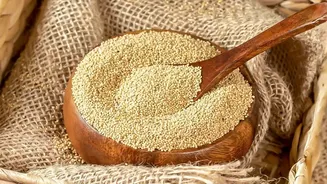
Often mistaken for a cereal grain, amaranth is technically a 'pseudocereal'—the seed of a plant from the same family as beets and spinach. Cultivated for over 8,000 years, it was a foundational food for Aztec and Incan civilizations, prized for its strength-giving
properties. Today, this gluten-free powerhouse is experiencing a resurgence, not just for its versatility and nutty flavour, but for a nutritional profile that feels tailor-made for contemporary health concerns. As more people seek out nutrient-dense, plant-based options, amaranth is moving from the health food aisle to the mainstream kitchen, especially as a morning staple that provides sustained energy.
The Nutritional Powerhouse in Your Porridge
A single cup of cooked amaranth is packed with an impressive array of micronutrients. It is exceptionally rich in manganese, a mineral crucial for bone formation and brain function. It's also an excellent source of magnesium and phosphorus, both of which are fundamental to bone structure and health. One cup provides about 40% of your daily magnesium needs, a mineral that plays a critical role in helping the body absorb and utilize calcium effectively. Furthermore, amaranth delivers a significant amount of iron and is a source of plant-based protein that contains all nine essential amino acids, including lysine, which is often lacking in other grains. This complete protein profile makes it unusually high-quality for a plant food.
The Direct Link to Stronger Bones
The proposition for amaranth as a bone-health champion rests on its unique combination of nutrients. The body requires more than just calcium to build and maintain strong bones; it needs a synergistic team of minerals. Amaranth delivers calcium, magnesium, and phosphorus, all of which are essential for building bone density. The high levels of magnesium are particularly noteworthy, as many diets are deficient in this mineral, which can impact bone mineral density over time. The amino acid lysine, found abundantly in amaranth, also supports the body's ability to absorb calcium, making the calcium it provides more effective. By providing the protein framework and the key minerals that give bones their strength, amaranth offers a holistic approach to skeletal health, reducing the risk of fractures and conditions like osteoporosis.
Why It's the Perfect Breakfast Choice
Starting your day with amaranth offers distinct advantages. Its combination of high-quality protein and fibre promotes a feeling of fullness, which can help manage weight and prevent the mid-morning energy slump associated with sugary breakfasts. A protein-rich breakfast has been shown to decrease levels of ghrelin, the hormone that stimulates hunger. Unlike refined grains, the fibre in amaranth slows down digestion, leading to a more gradual release of energy. This makes it an ideal choice for stable blood sugar levels. A warm bowl of amaranth porridge is not just comforting; it’s a strategic way to fuel your body and proactively support your bone health from the very start of the day.
How to Enjoy Amaranth in the Morning
Incorporating amaranth into your breakfast routine is simple. It cooks into a thick, creamy porridge with a texture similar to oatmeal or cream of wheat. To prepare it, simply simmer one part amaranth with about two and a half parts water for 20-25 minutes until the liquid is absorbed. Its natural, slightly nutty and earthy flavor pairs well with both sweet and savory additions. For a classic breakfast bowl, mix in fruit, nuts, seeds, and a touch of honey or maple syrup. You can also make a savory version by topping it with a fried egg, sautéed greens, and avocado for a complete and satisfying meal. Thanks to its versatility, amaranth is an easy and delicious swap for your usual morning grain.