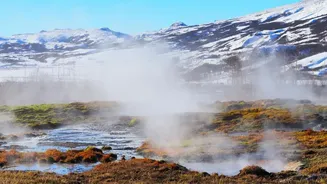








Ever escaped to the mountains and found your simple dal or instant noodles taking forever to cook? You're not imagining it, and it’s not your cooking skills. The secret lies in a fascinating piece of science that changes the rules in the kitchen.
The Science of a Rolling Boil
Before
we climb the hills, let's understand what 'boiling' actually is. We think of it as just getting water to 100°C, but it’s a bit more complex. A liquid boils when the pressure created by its own vapour (as it gets hot and steamy) becomes equal to the pressure of the atmosphere pushing down on its surface. At sea level, like in Mumbai or Chennai, the weight of the air column above is significant, creating an atmospheric pressure of about 14.7 pounds per square inch (psi). To overcome this, water needs to be heated to 100°C (212°F) for its vapour pressure to match the air pressure, at which point it starts to boil vigorously.
The Pressure Drop in the Mountains
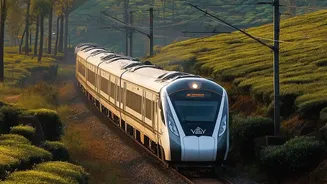
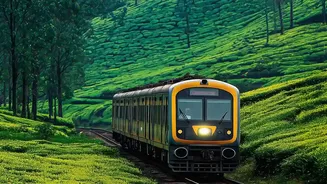
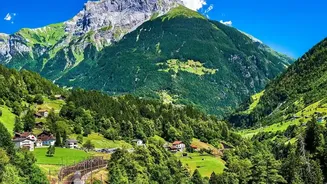
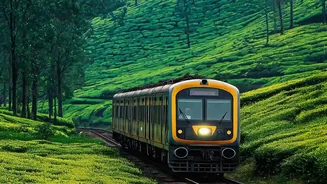
As you travel up to a hill station like Shimla or Ooty, the altitude increases. This means there is less air stacked on top of you. With less air, the atmospheric pressure decreases. Think of it as a lighter blanket of air. For every 1,000 feet you ascend, the atmospheric pressure drops by about half a pound per square inch. This change in pressure is the key to everything that follows. It's why your ears pop on a mountain drive and why your packet of chips puffs up like a balloon.
The Hill Station Effect on Boiling Water
Now, let’s connect these two ideas. Since the atmospheric pressure in the mountains is lower, the water doesn't have to work as hard to start boiling. Its vapour pressure can equal the lower surrounding pressure at a much lower temperature. For roughly every 500-foot increase in elevation, the boiling point of water drops by about 1°F (or 0.5°C). At sea level, water boils at 100°C. In Shimla, at over 7,000 feet, water boils at around 93°C. Go even higher to Leh, at about 11,500 feet, and water boils at a lukewarm 88°C. The water is bubbling furiously, but it is significantly cooler than boiling water in the plains.
The Cooking Conundrum: Slower Food, Faster Boil
This is the paradox that frustrates mountain cooks. While the water reaches its boiling point faster, the food inside it cooks slower. Cooking is a chemical process driven by heat. Your potatoes, rice, and eggs don't care if the water is bubbling; they care about how hot that water actually is. Cooking an egg in Leh's 88°C water is far less effective than in Delhi's 100°C water. The lower temperature transfers heat to the food more slowly, meaning you need to increase cooking times significantly – sometimes by 25% or more – to get the same result. Turning up the flame won't help; the water temperature is capped at its local boiling point and will just evaporate faster.
High-Altitude Kitchen Hacks
Locals and seasoned travellers have long figured out how to deal with this. The undisputed hero of the high-altitude kitchen is the pressure cooker. A pressure cooker works by trapping steam, which artificially increases the pressure inside the pot to be much higher than the outside atmosphere. This forces the boiling point of water inside to rise, often to around 120°C, even in a place like Leh. This higher temperature allows food to cook much faster, compensating for the altitude. Other simple tricks include cutting food into smaller pieces to help it cook through, using a tight lid on your pots to retain heat and moisture, and simply planning for longer cooking times for all your boiled and steamed dishes.