



An Art of Simple Equilibrium
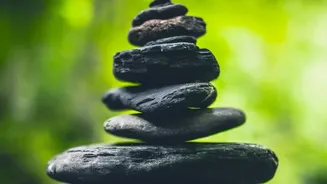
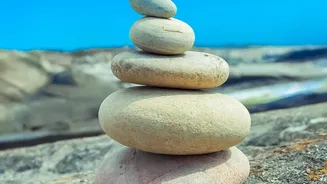
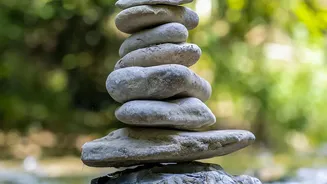
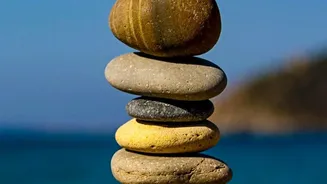
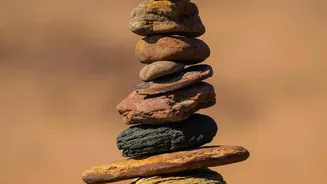
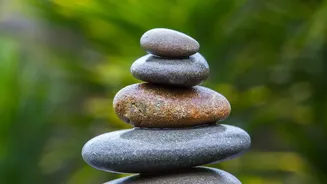
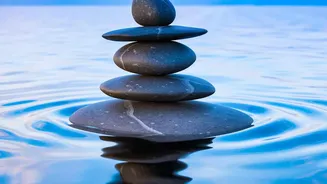
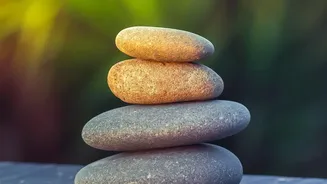
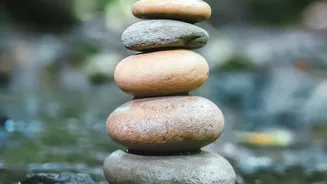
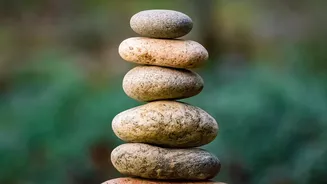
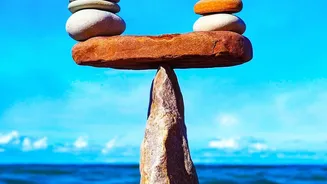
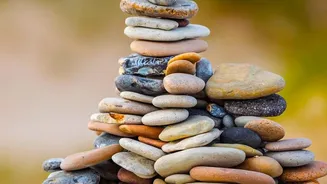
At its core, stone balancing is the practice of stacking rocks on top of one another without any adhesives or supports. It is both a temporary art form and a deep, personal practice. Unlike simply piling stones, true balancing involves finding the precise
points where rocks, often with irregular shapes, lock into a state of equilibrium. These sculptures can seem to defy gravity, but they are simply a demonstration of patience and an intuitive understanding of physics. Practitioners often describe the activity as a form of active meditation, where the goal is not just to create a structure, but to immerse oneself in the process.
The Power of a Quiet Mind
The primary benefit cited by enthusiasts is the profound sense of focus it demands. To balance a rock, you must be completely present. Your mind has to quiet down, shutting out internal chatter and external noise to feel the subtle shifts in weight and find the points of contact. This intense concentration acts as a form of mindfulness, anchoring you firmly in the moment. It’s a welcome antidote to the scattered attention that defines much of modern life. The repetitive, gentle nature of finding and placing stones can also be deeply calming, helping to reduce stress and anxiety by providing a simple, tangible task to focus on.
Training for Hands, Eyes, and Patience
Beyond mental calm, stone balancing is a fantastic exercise in physical awareness. The activity sharpens hand-eye coordination as you select and delicately place each stone. It requires a steady hand and develops fine motor skills. You learn to feel the texture, weight, and centre of gravity of each rock, not just with your eyes, but with your fingertips. This process is also an exercise in patience and letting go. Stacks will inevitably fall, and each collapse becomes a lesson in accepting imperfection and starting again without frustration. This builds resilience and teaches that the value is in the effort, not just the final product.
Getting Started: A Practical Approach
The beauty of stone balancing lies in its accessibility. You don't need special equipment or a scenic location, though a natural setting can enhance the experience. To start, find a place with a variety of loose stones. Beginners should start small, perhaps trying to balance one or two rocks before attempting a taller stack. The key is to feel for natural divots and contact points—a process some artists describe as finding the 'tripod' of balance where a rock can lock into place. Take your time, breathe deeply, and focus on the sensation of the stones in your hands rather than the pressure to create a perfect sculpture.
A Note on Mindful Practice
While stone balancing is a rewarding activity, it’s important to practice it responsibly. In recent years, conservationists have raised concerns about the environmental impact of rock stacking, especially in protected natural areas. Moving rocks can disturb sensitive micro-habitats for insects and small animals, disrupt soil, and contribute to erosion. It can also confuse hikers in areas where stacked stones, or cairns, are used as official trail markers. The 'Leave No Trace' ethic suggests a respectful approach: enjoy the process, take pictures of your creation, and then gently return the stones to where you found them, leaving the landscape as it was.