




A Sweet Surge in Demand
The numbers are in, and they confirm what many have been feeling: dessert is now an everyday affair. A recent summer trends report from Swiggy revealed that between April and June, the demand for desserts grew by a significant 19.2% compared to the previous
year. This isn't just a big city phenomenon; emerging cities like Amaravati and Thanjavur are leading the charge with even more dramatic growth in sweet treat orders. This trend highlights a broader evolution in consumer behaviour, where desserts are moving from being a celebratory, special-occasion item to a daily pick-me-up. Data from other platforms like Justdial also shows a steady rise in searches for bakeries and homemade desserts, indicating a widespread cultural shift. Cakes and other sweets are no longer reserved for birthdays or festivals but are now integral to everyday life.
The Psychology of the 'Little Treat'
So, why are we reaching for a brownie on a Tuesday? The answer lies in the potent mix of convenience and emotional comfort. Modern life, with its busy schedules and pressures, has created a fertile ground for the 'little treat' culture. Ordering a dessert is an accessible, affordable luxury that provides an instant mood boost. Psychologically, sweet foods are hardwired to trigger our brain's reward system, releasing dopamine and creating a feeling of pleasure. This makes dessert a powerful tool for managing stress or breaking the monotony of a workday. It has become a form of self-care; an emotional nourishment that offers a temporary escape and a sense of comfort. Food delivery platforms have amplified this by making impulse cravings easy to satisfy. With just a few taps, a comforting treat can be at your door in minutes, transforming it from a planned event to a spontaneous act of indulgence.
What's on the Menu?
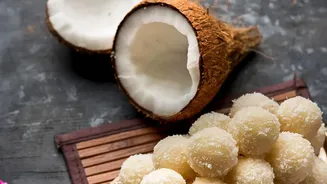
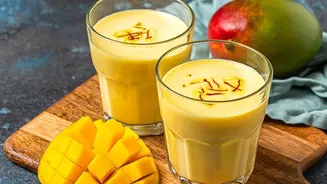
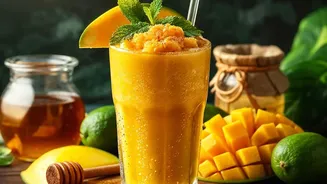
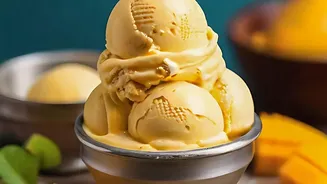
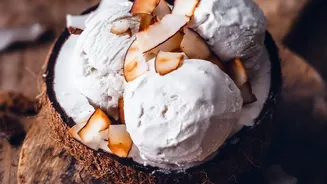
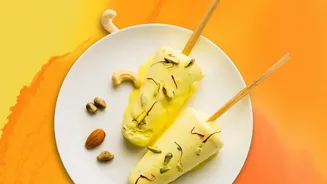
This summer, one flavour reigned supreme: mango. The demand for mango-flavoured desserts and ice creams saw a 19.3% year-on-year growth, with Swiggy delivering nearly 1,550 Mango Lassis every single day. Beyond the king of fruits, coconut-flavoured ice cream also proved to be a national favourite, with its demand growing by 13.4%. While traditional flavours hold their ground, there's also a growing appetite for novelty and experimentation, especially among younger consumers. Gen Z, in particular, is driving trends for international flavours like matcha and Middle Eastern-inspired sweets like kunafa. The visual appeal of a dessert is also more important than ever, with Instagram-worthy creations having a higher chance of being ordered. This has led to a rise in artisanal and customised options, from gourmet cupcakes to fusion desserts that blend Indian flavours with global formats.
The Bigger Picture: Convenience is King
This shift in dessert consumption is part of a larger transformation in India's food habits, driven almost entirely by the convenience of online delivery. The country's food delivery market is expanding at a phenomenal rate, reshaping how, when, and what we eat. The traditional structure of three meals a day is becoming more fluid, replaced by micro-moment purchases and late-night snack orders. This convenience-driven culture means consumers are ordering more frequently, even if the basket size for each order is smaller. Platforms are no longer just for ordering full meals; they are for satisfying immediate cravings, whether it's a cold coffee in the afternoon or a sweet treat after dinner. Reports show orders for coffee and mocha-based drinks peaked between 4:00 PM and 9:00 PM, a window once dominated by evening snacks, further illustrating this behavioural shift.