








The Great Indian Food Fest Boom
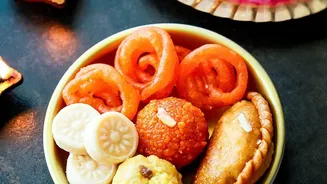
In recent years, India has witnessed an explosion of food festivals, celebrating everything from regional street food to international gourmet cuisine. Events like The Grub Fest and the National Street Food Festival in Delhi have become massive attractions,
drawing huge crowds and offering a dizzying array of culinary delights in one place. This boom reflects a growing appetite for new food experiences and provides a valuable platform for local vendors and chefs to showcase their skills. For many small vendors, these festivals are more than just a party; they're a significant economic opportunity.
The Unseen Storage Challenge
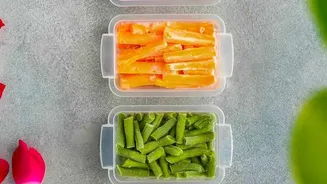
The temporary nature of these festivals presents significant logistical hurdles, especially concerning food storage. Unlike a restaurant with a permanent kitchen, vendors at outdoor events often lack access to consistent refrigeration and controlled environments. This is where the danger lies. Perishable items like meats, dairy products, and pre-cut vegetables can enter the 'temperature danger zone'—where bacteria multiply rapidly—if not kept consistently cold. The reliance on ice chests, the risk of cross-contamination between raw and cooked foods in cramped spaces, and the sheer pressure to serve hundreds of customers quickly can create a perfect storm for foodborne illnesses.
What the Rulebook Says
The Food Safety and Standards Authority of India (FSSAI) has clear guidelines for food businesses, including temporary stalls and caterers at events. Regulations state that any entity preparing or selling food, even at a temporary event, is considered a Food Business Operator (FBO) and must be registered or licensed. The rules cover everything from personal hygiene for food handlers to the structural requirements of a stall and, crucially, the control of food temperatures. For instance, chilled foods must be received and stored at or below 5°C, while hot foods must be held above 60°C to prevent bacterial growth. FSSAI has also encouraged states to increase inspections, especially during festive seasons.
A Vendor's Reality
While regulations exist, compliance can be challenging for many vendors. The cost of renting portable refrigeration units or investing in high-quality insulated containers can be prohibitive for small-scale operators. Furthermore, the infrastructure at many festival venues may not provide adequate power or a clean water supply for every stall holder. Organisations like the National Association of Street Vendors of India (NASVI) are working to bridge this gap by providing training on safe food handling, hygiene, and standardisation in partnership with FSSAI, turning festivals into opportunities for empowerment.
How to Be a Smart and Safe Foodie
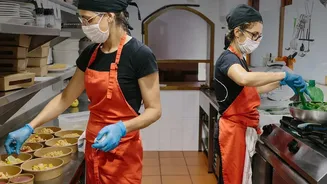
As a consumer, you also have a role to play in staying safe. Before you buy, take a moment to observe. Does the stall look clean and tidy? Are the food handlers wearing gloves or using tongs to serve food? Look for signs of proper storage—are perishable ingredients kept in coolers or refrigerators rather than left out in the open? It's also wise to watch how food is prepared; opt for dishes that are cooked fresh to order. Always wash your hands or use a sanitiser before eating, especially at a bustling festival. If a dish looks or smells off, it's best to trust your instincts and avoid it.