






The Great Grain Divide: Whole vs. Refined
Understanding the difference between whole and refined grains is the first step. A whole grain contains all three parts of the kernel: the bran, the germ, and the endosperm. This complete package is rich in fibre, vitamins, and minerals. Examples include
oats, brown rice, whole-wheat flour, and quinoa. Refined grains, on the other hand, have been milled to remove the bran and germ, leaving only the starchy endosperm. This process strips away most of the fibre and nutrients. White bread, many sugary breakfast cereals, and pastries are common examples of foods made from refined grains.
The Blood Sugar Rollercoaster and How to Get Off
When you eat a breakfast high in refined carbohydrates, your body digests them quickly. This causes a rapid spike in blood glucose levels. Your body responds by releasing a surge of insulin to manage the sugar, which often leads to an overcorrection, causing your blood sugar to drop sharply. This is the 'crash' that leaves you feeling tired, foggy, and hungry soon after your meal. In contrast, whole grains are digested much more slowly. The high fibre content acts as a buffer, slowing the release of sugar into your bloodstream. This results in a more gradual, steady rise and fall in blood sugar, providing sustained energy and preventing the dramatic highs and lows.
Fibre: The Secret to Feeling Full and Focused
The fibre in whole grains is a key player in blood sugar management and overall wellness. There are two types: soluble and insoluble. Soluble fibre dissolves in water to form a gel-like substance in your stomach, which physically slows down digestion and the absorption of glucose. Insoluble fibre adds bulk and helps food pass more efficiently through your digestive system. Together, they contribute to a feeling of fullness, or satiety. A breakfast rich in fibre can help control your appetite throughout the morning, reducing the urge to reach for sugary snacks and helping with weight management.
Five Quick Whole-Grain Breakfast Swaps
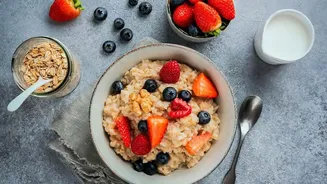
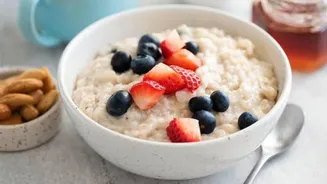
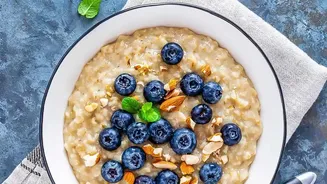
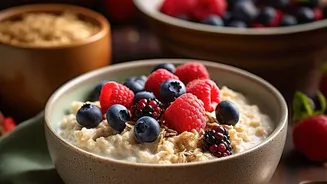
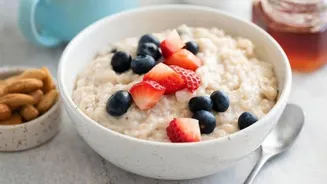
Making the switch doesn't have to be complicated. Here are five simple, quick ideas to incorporate more whole grains into your morning: 1. Rolled Oats Porridge: Unlike instant varieties, rolled or steel-cut oats are less processed and have a lower glycemic index. Cook a bowl of porridge and top it with berries, nuts, or seeds for extra fibre and protein. 2. Whole-Grain Toast with Avocado and Egg: Swap your white bread for a slice of 100% whole-grain or whole-wheat toast. Topping it with mashed avocado provides healthy fats and more fibre, while an egg adds protein to keep you full for hours. 3. Greek Yoghurt with Whole-Grain Granola: Choose a plain, unsweetened Greek yoghurt, which is high in protein. Top it with a small portion of low-sugar, whole-grain granola and some berries. The protein in the yoghurt helps to balance the carbohydrates from the granola. 4. Quinoa Porridge: For a change from oats, try cooking quinoa with milk or water to create a porridge-like consistency. Add cinnamon, apple, or a handful of nuts. Quinoa is a complete protein and a great whole-grain option. 5. Whole-Grain Wrap: Scramble a couple of eggs with spinach and wrap them in a whole-grain tortilla for a portable, balanced breakfast. The combination of protein, vegetables, and slow-release carbs is ideal for stable energy.