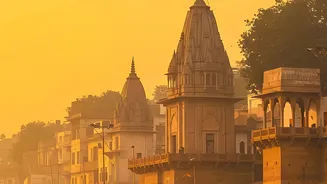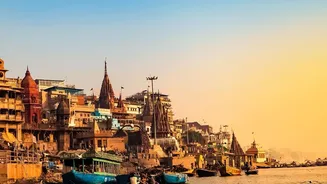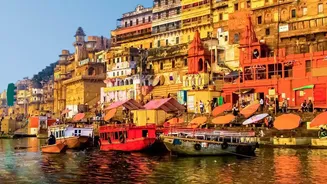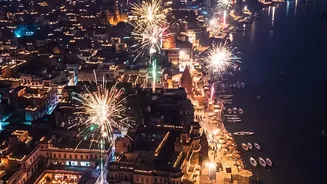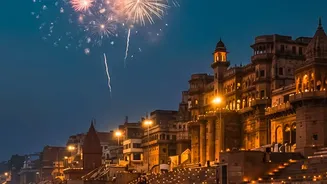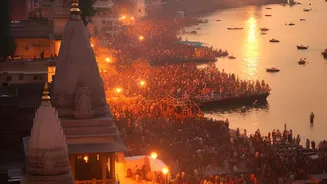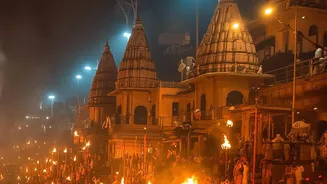





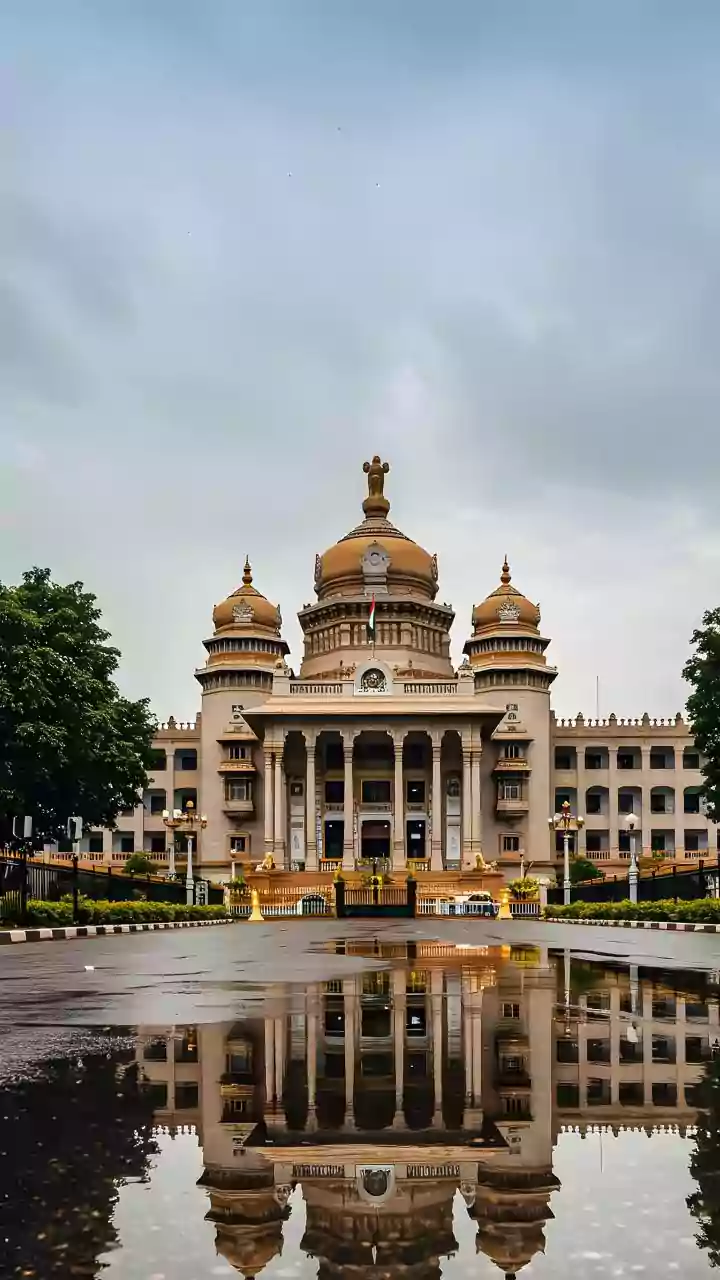

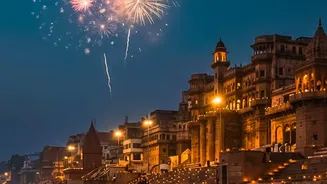

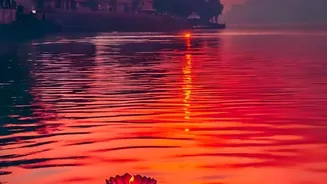
As November dawns, the riverbanks of Bihar begin a sacred transformation. Quiet, muddy ghats buzz with activity, preparing to host millions for Chhath Puja, a deeply personal and visually stunning festival of gratitude to the sun.
The Ancient Call of Chhath
Chhath Puja, often called
the 'Mahaparv' or great festival, is an ancient Hindu tradition rooted in the worship of the Sun God, Surya, and his sister, Chhathi Maiya. Unlike many festivals that involve idols and priests, Chhath is a direct, personal communion with nature. Devotees, known as 'vrattis', offer prayers for the well-being and longevity of their families, especially their children. The festival spans four days, beginning with 'Nahay Khay', a ritual bath and a single pure meal, and culminating in a rigorous 36-hour waterless fast. Its essence lies in its simplicity and profound connection to the elemental forces of sun and water.
Ghats: Where River and Ritual Meet
The heart of Chhath beats strongest at the ghats—the steps and banks leading down to rivers and ponds. In the days leading up to the festival, these spaces are meticulously cleaned and prepared by both community volunteers and government bodies. Across Bihar, authorities are preparing over 10,000 ghats for the expected crowds, with more than 90 along the Ganga in Patna alone. Unsafe riverbanks are identified and barricaded, approach roads are smoothed, and adequate lighting is installed to ensure safety. This massive undertaking transforms everyday riverfronts into sprawling, sacred zones ready for a 'sea of devotion'.
The Offerings: Sunset and Sunrise
The main rituals unfold on the third and fourth days. On the evening of the third day, known as 'Sandhya Arghya', families flock to the ghats. Vrattis, standing waist-deep in the water, offer prayers and homemade 'prasad' to the setting sun. These offerings, including the traditional sweet 'Thekua', fruits, and sugarcane, are carried in bamboo baskets called 'soop'. It is a unique moment in Hindu tradition, honouring the sun not just at its glorious rise but also at its departure. Before dawn the next day, for 'Usha Arghya', the devotees return to the same spot to greet the rising sun, completing their fast and the cycle of worship.
A Festival of Homecoming and Unity
Chhath is more than a religious event; it is a cultural phenomenon of homecoming. Over a crore migrant workers and their families are expected to return to Bihar to celebrate, making it one of the most significant annual events for the state. The ghats become a great equaliser, where social distinctions of caste and wealth dissolve as everyone stands together in the water, united in a common act of faith. The air fills with the sound of traditional folk songs as entire families and neighbourhoods participate, reinforcing a powerful sense of community and shared heritage.
Massive Preparations for a Peaceful Puja
Ensuring a safe and smooth festival for millions requires a monumental effort. The Bihar government has deployed extensive resources, allocating over ₹8 crores for urban ghat improvements and banning firecrackers and private boats near the riverbanks during the festival. Medical teams, ambulances, and disaster response forces (NDRF and SDRF) are placed on high alert at strategic points. Temporary toilets, changing rooms, and control rooms are set up to manage the massive congregations and provide necessary amenities, reflecting the festival's immense scale and importance in the public life of Bihar.