









The Science of the Smell
A healthy compost pile should smell earthy and pleasant, not like rotten eggs or ammonia. If it stinks, it has likely gone “anaerobic,” meaning there isn't enough oxygen for the good bacteria to do their job. These beneficial aerobic microbes need air
to break down organic matter efficiently. When a pile becomes too wet and compacted, water fills the air pockets. This suffocates the good microbes and creates a perfect environment for anaerobic bacteria to take over. These are the microbes that produce smelly gases like hydrogen sulfide as they work, resulting in that all-too-familiar putrid odor.
Diagnosing a Soggy Pile
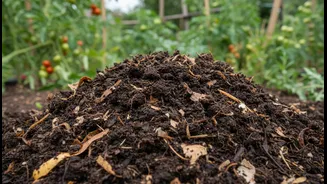
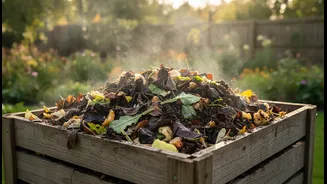
Besides the offensive odor, there are other telltale signs your compost is too wet. The material may look slimy, matted, and dark. Instead of being crumbly and light, the contents will be heavy and clumped together. You might even see standing water when you dig into the pile. Another key indicator is temperature. A healthy, active compost pile generates heat, and you should feel warmth when you place your hand near the center. An anaerobic pile, however, is often cold and inactive because the microbes responsible for generating heat have died off or gone dormant.
Immediate First Aid
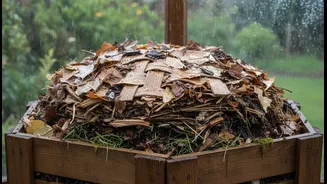
To rescue a smelly, soggy pile, your immediate goal is to introduce air and absorb excess moisture. The most effective way to do this is to turn the pile thoroughly with a pitchfork or compost aerator. As you turn it, break up any large, matted clumps to allow air to circulate. While turning, mix in plenty of dry, high-carbon materials. These are often called “browns” and include things like dried leaves, straw, sawdust, shredded cardboard, or torn-up newspaper. These materials will soak up the excess water like a sponge and create air pockets, restoring the balance needed for aerobic decomposition.
The Green and Brown Balancing Act
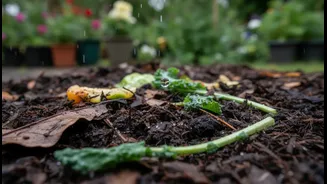
Preventing future odor problems is all about maintaining the right balance of ingredients. Composting materials are broadly divided into two categories: nitrogen-rich “greens” and carbon-rich “browns.” Greens include fresh grass clippings, fruit and vegetable scraps, and coffee grounds. Browns are the dry materials like dead leaves, twigs, and cardboard. An ideal compost pile needs a good ratio of both. A common guideline is to aim for two to three parts browns for every one part greens by volume. Too many greens (nitrogen) without enough browns (carbon) often leads to a wet, dense, and smelly anaerobic situation.
Prioritizing Proper Aeration
Consistent airflow is critical for a healthy compost pile. Regular turning, perhaps once a week or two, is a simple and effective method. For those who want to avoid heavy lifting, there are several other options. Building your pile on a base of wooden pallets or a layer of coarse twigs can improve airflow from the bottom up. Many commercial compost bins come with built-in air vents. You can also insert perforated PVC pipes or other airflow tubes into the center of your pile as you build it to create permanent air channels. Even simply poking holes in the pile with a metal rod can help introduce much-needed oxygen.
What to Leave Out
While moisture is the most common cause of bad smells, some materials will cause odors no matter how well-managed your pile is. You should generally avoid adding meat, fish, bones, dairy products, and oily or greasy foods to a typical backyard compost pile. These items not only create foul odors as they decompose but can also attract unwanted pests and rodents. Stick to plant-based kitchen scraps and yard waste to keep your compost pile pleasant and productive.