



The Decline of 'Done That' Tourism
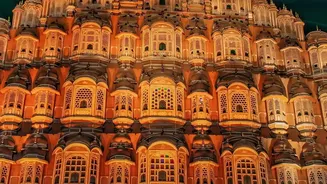
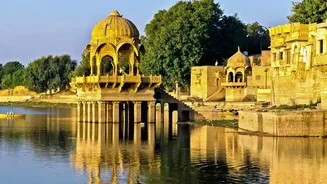
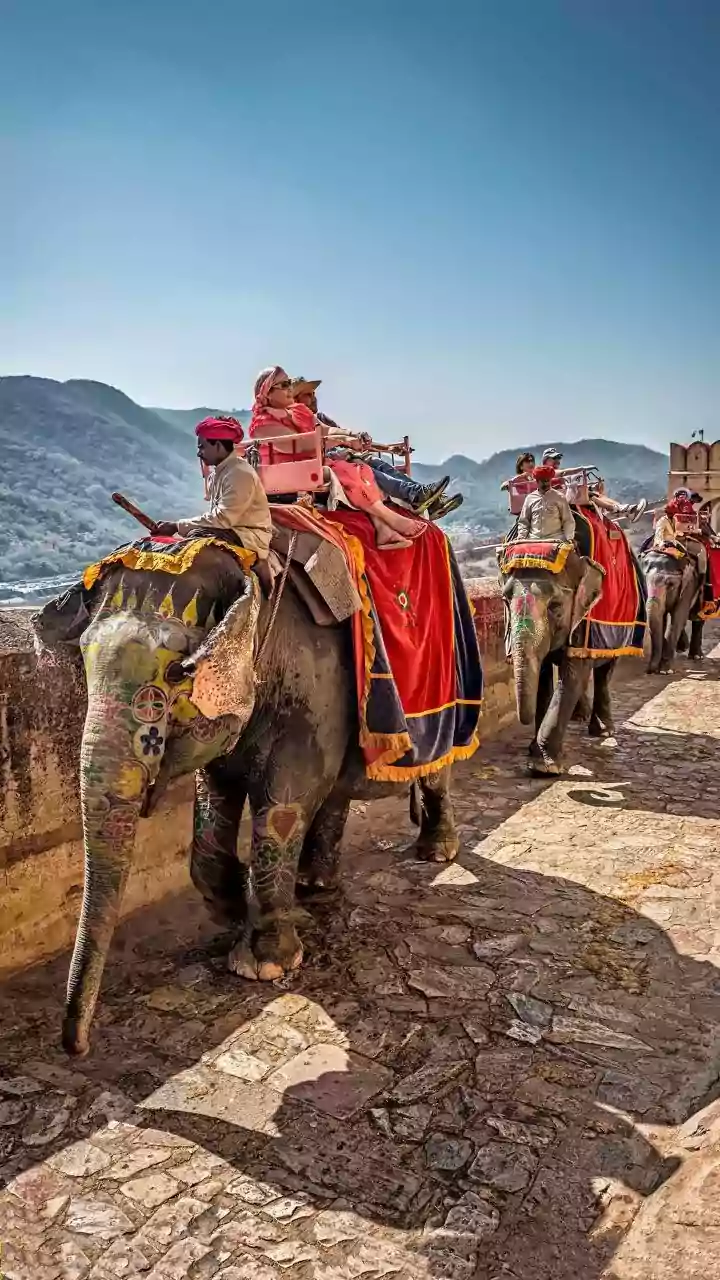
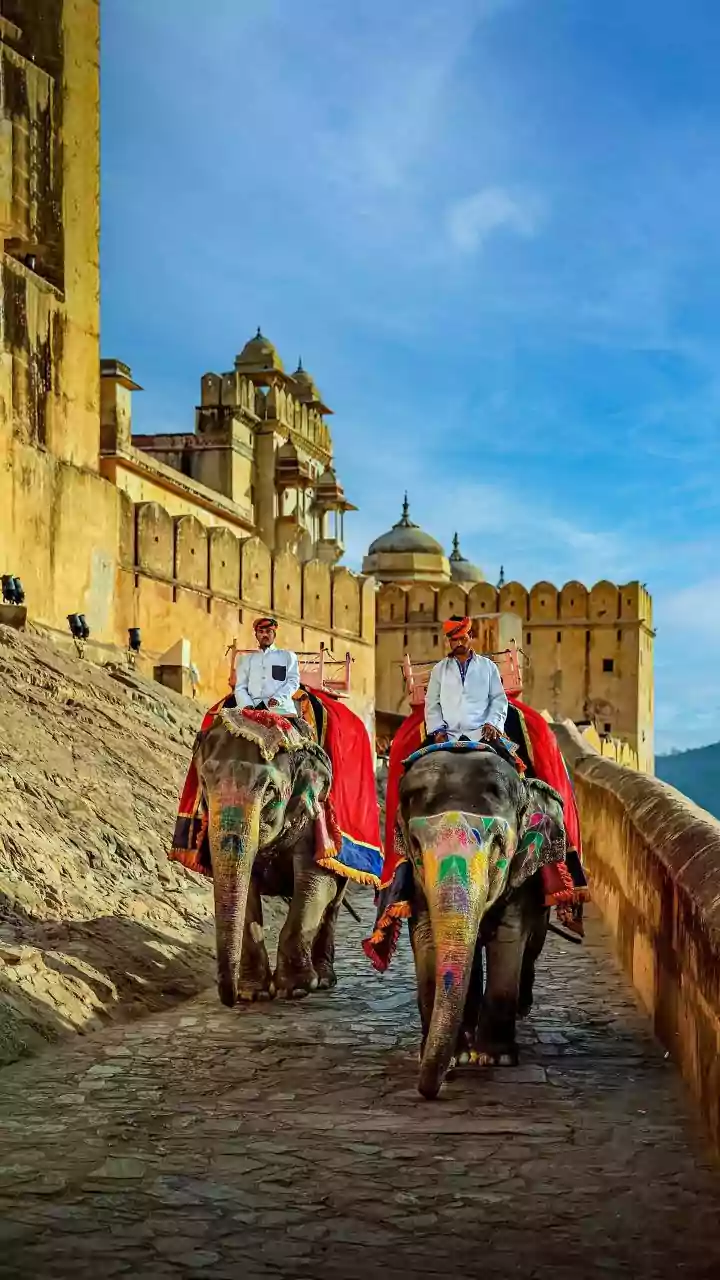
For decades, the measure of a successful holiday was a packed itinerary. Travel was a sport of accumulation—how many forts, temples, and viewpoints could be ticked off a list? The resulting photo album served as proof of a holiday well-spent, even if
the memories were a hazy rush of bus rides and fleeting glances. This model, often dubbed “checklist tourism,” left many travellers feeling like they needed a vacation from their vacation. The focus was on covering ground, not on truly experiencing a place. But as a collective travel consciousness evolves, people are beginning to question the purpose of it all. The burnout from fast-paced trips has paved the way for a quieter, more intentional approach.
A Search for Deeper Connection
This shift is not happening in a vacuum. Several factors are driving the move toward meaningful travel. In a world of digital saturation, there is a growing hunger for authentic, unfiltered moments that cannot be fully captured in a social media post. The post-pandemic era, in particular, prompted a widespread re-evaluation of priorities, inspiring a desire for more mindful living and genuine human connection. Younger demographics like Gen Z and millennials are leading this charge, preferring to spend on unique experiences rather than material goods. Recent surveys show that a vast majority of Indian travellers are now actively planning trips around cultural experiences like festivals, local cuisine, and heritage sites, making culture the reason to travel, not an afterthought.
What 'Meaningful Travel' Really Means
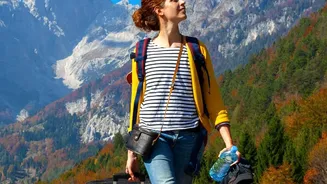
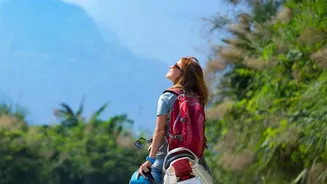
Experiential or “slow” travel is about immersion over observation. It is the difference between watching a chef on TV and taking a cooking class in a local Goan home. It means skipping the crowded viewpoint to instead spend an afternoon learning pottery from a village artisan in Rajasthan. This approach encourages active participation in the life of a destination. It’s about fewer destinations but longer stays, allowing the rhythm of a place to reveal itself. This could involve staying on a farm, volunteering for a local cause, or simply taking long, unscheduled walks to absorb the sights and sounds. The goal is no longer just to visit a place, but to understand it, connect with it, and let it change you.
The Rise of Homestays and Boutique Retreats
This evolving preference is directly reflected in accommodation choices. Large, impersonal hotel chains are often being passed over for homestays, heritage bungalows, and boutique villas that offer a direct link to local culture. The Indian homestay market is one of the fastest-growing segments in tourism, projected to expand significantly in the coming years. Travellers are seeking the warmth of a host who can share stories, recommend hidden gems, and cook authentic regional food—experiences that a conventional hotel can rarely provide. These stays offer a sense of belonging and a more intimate connection to a place, transforming a trip into a memorable cultural exchange.
Good for the Soul, and the Local Economy
Beyond personal fulfilment, this travel trend has significant positive impacts. When tourists stay in local homestays, hire local guides, and buy from small artisans, their money directly supports the community. This model fosters a more sustainable and equitable form of tourism, where the economic benefits are distributed at a grassroots level. It also promotes a deeper sense of environmental and social responsibility. Travellers become more mindful of their footprint when they are guests in someone’s home and community. This conscious approach ensures that travel enriches not only the visitor but also the host community, fostering mutual respect and preserving local culture for the future.