



Beyond the Launch: The Unseen Orchestra
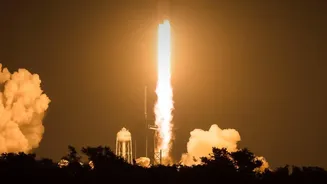
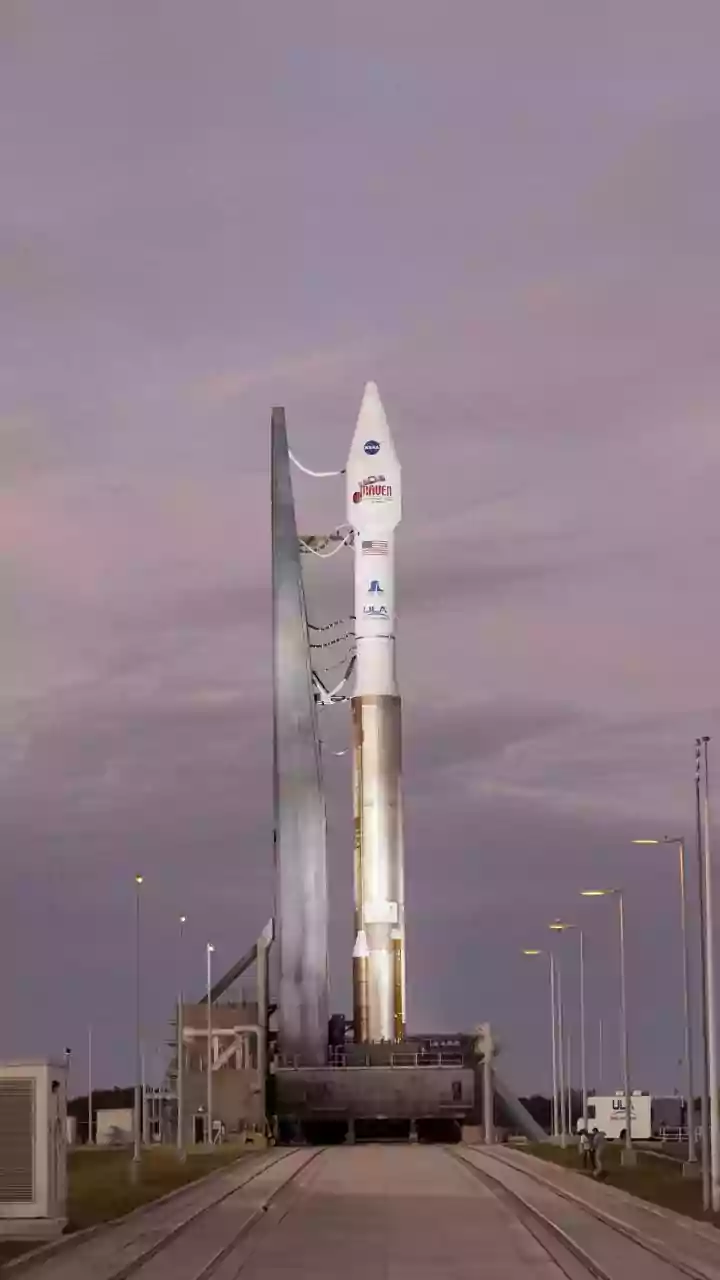
A satellite launch is merely the first note in a long and complex symphony. Once in orbit, a satellite is not a self-sufficient machine but a sophisticated asset that requires constant management from Earth. This is the domain of mission operations. Teams
of engineers and technicians, like those at ISRO's Telemetry, Tracking and Command Network (ISTRAC) in Bengaluru, become the satellite's lifeline. They are responsible for everything that happens post-launch, from ensuring the satellite reaches its correct orbit to managing its health and performance for years, or even decades. This continuous oversight is what transforms a piece of orbiting hardware into a functional tool for science, communication, and national security. Conferences like the International Symposium on Space Mission Operations (SMOPS) bring global experts together to refine these very processes, sharing knowledge on everything from mission design to managing large satellite constellations.
The Daily Duties: A Celestial Checklist
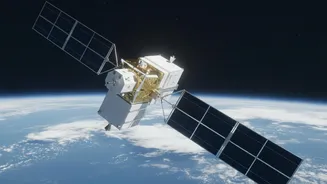
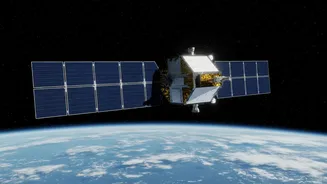
At its core, satellite operations revolve around three key functions known as Telemetry, Tracking, and Command (TTC). Telemetry is the stream of health data the satellite sends back, a constant check-up on its power levels, temperature, and system status. Tracking involves precisely knowing where the satellite is at all times. This is crucial for pointing its antennas or cameras correctly and for predicting its path to avoid collisions. Command is the process of sending instructions from the ground to the satellite. These commands can range from routine tasks, like activating a specific payload to collect data, to critical orbital manoeuvres to keep it in its designated slot or dodge space debris. It’s a 24/7 job, managed from sophisticated mission operations centres that act as the nerve centre for India's assets in space.
Navigating an Obstacle Course in Orbit
Space is far from empty or benign. One of the biggest challenges for mission operators is the growing threat of space debris. Millions of fragments from defunct satellites and rocket stages travel at extreme velocities, where even a paint chip can cause catastrophic damage to an active satellite. Mission operators must constantly track potential threats and execute avoidance manoeuvres, a delicate use of precious onboard fuel that can shorten a satellite's operational life. Beyond debris, operators must contend with the harsh space environment itself. Solar flares can disrupt electronics, and the constant pull of gravity and atmospheric drag requires periodic orbital corrections to prevent the satellite from falling out of its useful orbit. Managing these risks is a complex balancing act that requires sophisticated tracking systems and international cooperation.
From Space Data to Everyday Impact
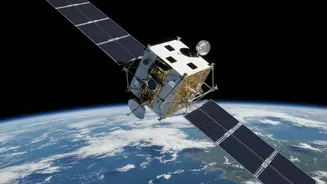
The meticulous work of mission operations has a direct and profound impact on life in India. The data and services provided by these carefully managed satellites are woven into the fabric of the nation's infrastructure. Remote sensing satellites, kept healthy by ISTRAC, provide vital data for agricultural monitoring, urban planning, and tracking deforestation. Communication satellites form the backbone of television broadcasting, banking networks (VSATs), and internet services in remote areas. Furthermore, India’s own regional navigation satellite system, NavIC, depends on the flawless operation of its constellation to provide precise positioning services for transportation and disaster management. When a cyclone warning is issued or a rescue operation is underway, it is enabled by data that has been collected, processed, and transmitted by a satellite under the constant care of ground controllers.