



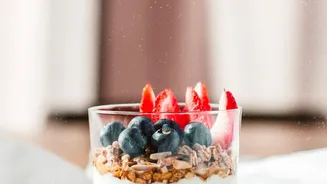

The Texture Question
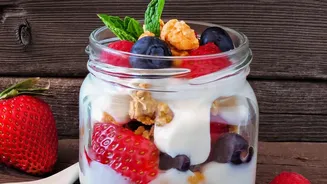
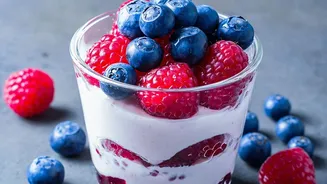
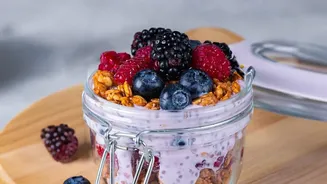
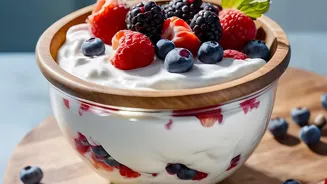
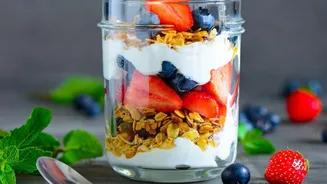
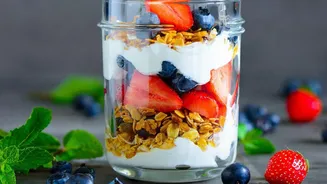
The most immediate difference between using fresh and frozen fruit is texture. Fresh berries offer a firm, distinct bite. Each spoonful delivers the crisp pop of a blueberry or the juicy structure of a strawberry slice, creating clear, separate layers
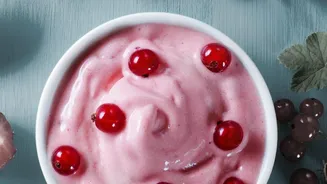
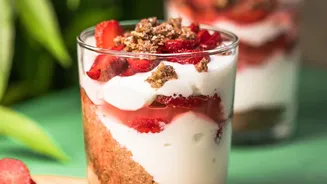
of flavour and feel. This is ideal if you crave contrast—the smooth, creamy yoghurt against the solid, vibrant fruit and crunchy granola. Frozen fruit, on the other hand, creates a softer, more integrated parfait. As the berries thaw, ice crystals that formed during freezing melt, causing the fruit's cell walls to break down. This process makes them release their juices, creating a natural, luscious syrup that swirls into the yoghurt. The result is less about distinct layers and more about a cohesive, blended texture that feels more decadent and sauce-like.
A Surprising Nutritional Winner
Common wisdom suggests that fresh is always best when it comes to nutrition. However, science tells a more nuanced story. Fruits destined for the freezer are typically picked at their peak ripeness and flash-frozen within hours, a process that locks in their nutrients. In contrast, fresh fruit is often picked before it's fully ripe to withstand transportation and storage. During the days it takes to travel from the farm to your fridge, it can lose vitamins and antioxidants. Studies have shown that frozen fruits can retain comparable, and sometimes even higher, levels of nutrients like Vitamin C and antioxidants than fresh fruit that has been stored for a few days. Vitamins like A and E, as well as minerals and fibre, are generally unaffected by the freezing process, making frozen fruit a nutritional powerhouse.
Flavour, Convenience, And Cost
When perfectly in season, a fresh berry offers a bright, unparalleled flavour. There's little that can compete with a sun-ripened strawberry. However, out of season, fresh berries can be underwhelming and expensive. This is where frozen fruit shines. Because it's frozen at its prime, it offers consistent, reliable flavour year-round. The thawing process also concentrates its sweetness, creating that rich, syrupy quality. Furthermore, frozen fruit is often more budget-friendly and helps reduce food waste, as you can use exactly what you need and save the rest for later. Fresh fruit, for all its glory, demands to be eaten within a few days.
How To Build A Better Parfait With Fresh Fruit
To make the most of fresh fruit, the goal is to preserve its distinct texture. Start by gently washing and thoroughly drying your berries; excess water will make the yoghurt runny. If using larger fruits like strawberries, slice them uniformly. When layering, consider placing your granola between layers of yoghurt to shield it from the fruit's moisture, keeping it crunchier for longer. Assemble your parfait right before you plan to eat it to ensure every component stays crisp, creamy, and fresh. This method celebrates the structural integrity and bright, clean taste of each ingredient.
Mastering The Parfait With Frozen Fruit
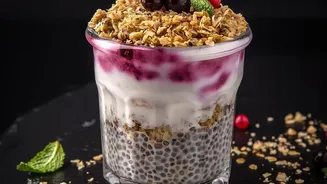
Using frozen fruit successfully is all about managing its moisture. For the best results, allow the fruit to thaw partially for about 30-60 minutes at room temperature. This prevents your parfait from being overly icy and allows the berries to release some of their delicious juice. Embrace this natural syrup! Let it bleed into the yoghurt to create beautiful swirls of colour and flavour. If you're preparing parfaits ahead of time for meal prep, frozen fruit is an excellent choice. Simply layer the frozen fruit with yoghurt in a sealed jar. As it sits in the fridge, the fruit will thaw and create its own sauce, ready for you to top with granola just before serving for that perfect crunch.