








A Tale of Two Halves in Core Sector Data
India's core industries, a group of nine key sectors that form the bedrock of the country's industrial activity, expanded by a robust 5% in June 2026. This marks the fastest pace in five months, suggesting a broader economic resilience. The data, released
under a newly revised index with a 2022-23 base year, was buoyed by strong performances in sectors like electricity and cement, which both grew by 9.8%. The new index also includes iron ore for the first time, which was the standout performer, surging by an impressive 43.9%. However, this positive headline figure masks a significant downturn in other crucial areas. Four of the nine sectors actually contracted, with the energy-related industries being the primary laggards.
What's Behind the Natural Gas Slump?
Natural gas production plummeted by 7.4% in June compared to the same month last year, making it the worst-performing core industry. This isn't a one-off dip; it follows a 5% decline in May, indicating a persistent trend. The reasons for this sharp contraction are multifaceted. A key factor is the natural decline in output from established domestic fields, including the major KG-D6 block operated by Reliance Industries and BP. Production from this crucial block, which once promised to meet 15% of India's gas demand, has been falling since its peak in early 2024. Compounding the domestic production issues are challenges with imported Liquefied Natural Gas (LNG). Soaring global spot prices have made LNG imports unaffordable for many customers in price-sensitive sectors like power generation.
The Broader Energy and Industrial Picture
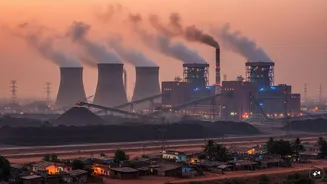
The weakness wasn't confined to natural gas alone. The entire petroleum complex acted as a drag on the core index. Crude oil production also fell by 4.2%, and refinery products dropped by 4.7%. This points to a broader challenge in the hydrocarbon space, influenced by a mix of declining domestic output and complex global supply dynamics. Some analysts attribute the contraction in crude and refinery sectors to a greater reliance on imports as global prices cooled, but geopolitical tensions, such as the conflict in West Asia, have also created supply chain vulnerabilities. In contrast, sectors linked to construction and infrastructure showed significant strength. The 9.8% jump in cement output points to sustained activity in construction, while a 4.6% rise in steel production reinforces this trend, driven by both government and private sector spending.
Implications for the Indian Economy
The performance of the core sectors is a vital economic barometer, as they account for over a third of the Index of Industrial Production (IIP). While the overall 5% growth is encouraging, the deep slump in natural gas is a cause for concern. Natural gas is a critical fuel for several industries, including fertilisers, power, and city gas distribution. A sustained contraction can impact industrial costs, energy security, and the country's efforts to transition towards a cleaner energy mix. The government has ambitious plans to increase the share of natural gas in its energy basket, but falling domestic production and volatile import prices present significant hurdles. The decline in output from major fields like KG-D6 highlights the urgent need for new discoveries and investments in exploration to offset the depletion of legacy assets and ensure a stable domestic supply.