


A Taste of Home in a High-Tech World
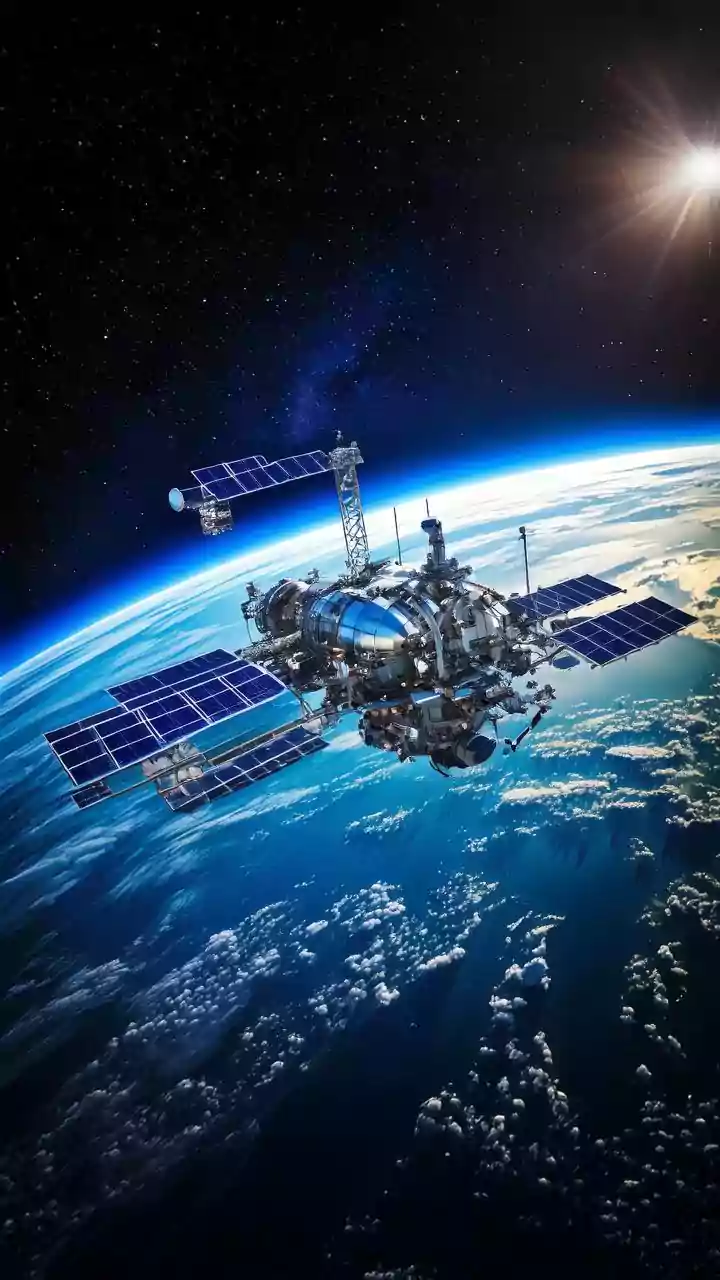
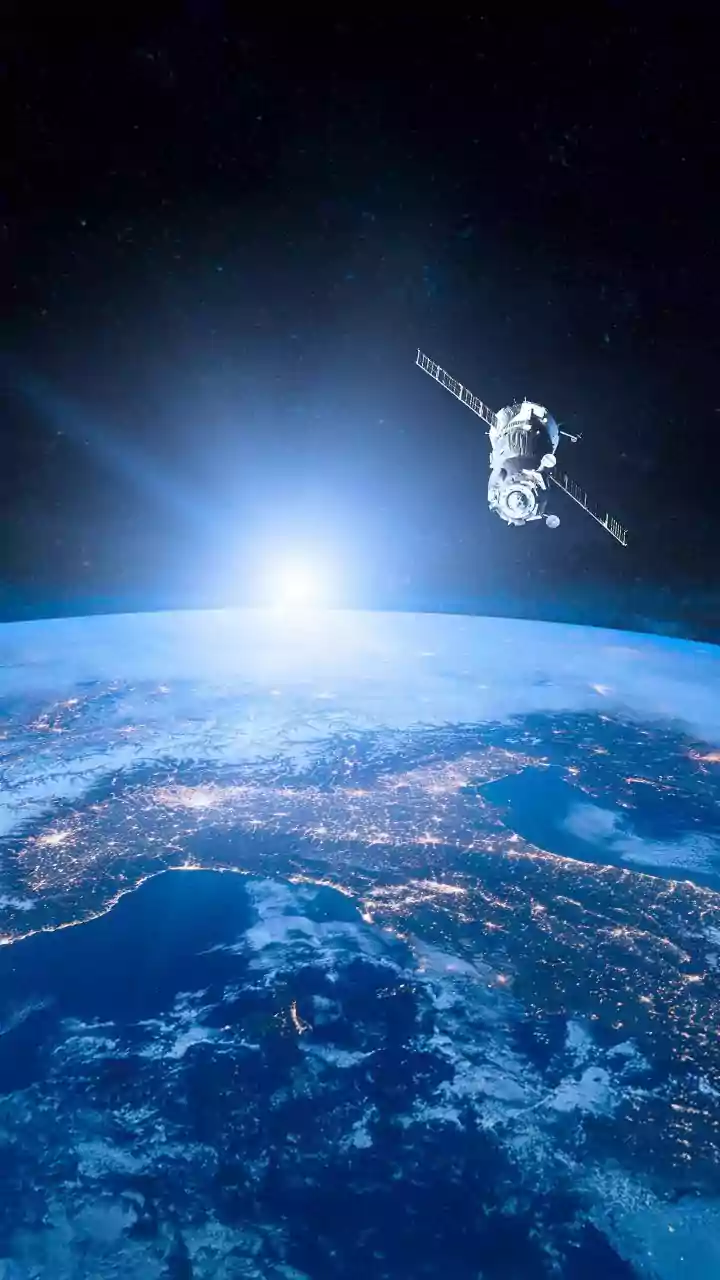
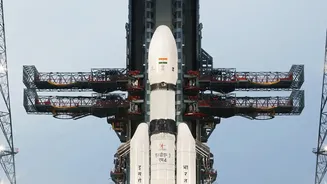
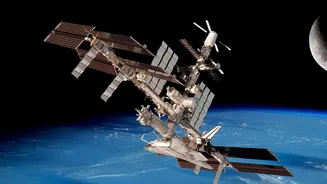
The Axiom-4 (Ax-4) mission is a landmark event, marking only the second time an Indian citizen has travelled to space. Onboard is Indian Air Force Group Captain Shubhanshu Shukla, who is part of an international crew heading to the International Space
Station (ISS). While the mission has major scientific goals, including experiments on crop growth in microgravity, a significant point of national pride has been the effort to send familiar Indian food along for the journey. The Mysuru-based Defence Food Research Laboratory (DFRL), which has been developing meals for India’s own Gaganyaan mission, prepared an extensive menu for consideration. However, bringing the flavours of a home kitchen into the sterile, zero-gravity environment of a space station is a monumental challenge.
The Intense Science of Space Food
You can't just pack a tiffin for space. Every single food item must undergo a series of punishing qualification tests to be certified for flight. First, there's the issue of microgravity. Food must have low fragmentation, meaning it can't produce crumbs that could float away and damage sensitive equipment. It needs to be in a paste or semi-solid form that's easy to consume without spilling. Second is longevity. Without refrigeration, the food must have a shelf life of over a year, remaining safe and nutritious. This is achieved through advanced preservation techniques like thermostabilization and irradiation. Finally, it has to pass strict microbial safety standards and be nutritionally balanced, often with reduced spice and oil content to be easy on an astronaut's digestive system in space.
From a Longlist to Three Finalists
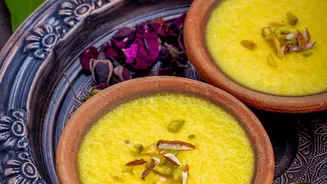
DFRL scientists worked to adapt dozens of Indian favourites for space travel, including idli sambar, vegetable biryani, khichdi, and various rolls and curries. More than 50 dishes were presented in tasting sessions for the astronauts to sample and review. Despite the extensive effort, when the final checks were completed by NASA, only three items cleared every single protocol: Aamras (mango pulp), Moong Dal Halwa, and Gajar ka Halwa (carrot halwa). Dishes like khichdi and pulao, while comforting, did not make the final approved list for this mission. According to astronaut Shubhanshu Shukla, a primary reason more dishes didn't pass was the limited time available for the extensive and iterative testing process required for full qualification.
Why These Sweets Succeeded
So what made these three desserts the chosen ones? Their natural composition gives them a head start. Aamras, or mango pulp, is a smooth, homogenous puree with no crumbs, making it perfectly suited for microgravity. Similarly, Moong Dal Halwa and Gajar ka Halwa are dense, moist, and cohesive sweets. When prepared by DFRL, they are formulated to be sterile, free of preservatives, and stable at room temperature for long durations. Their textures are ideal for consumption from specially designed packets, ensuring no particles escape. These dishes successfully blended the nostalgic comfort of Indian sweets with the uncompromising safety and handling requirements of spaceflight, a feat of food science that few other dishes could achieve in time.
A Sweet Symbol of a Bigger Mission
While Shukla joked that his international crewmates enjoyed the Indian sweets, the successful inclusion of these dishes is more than just a menu choice; it's a form of cultural diplomacy. It represents a seamless blend of Indian tradition and cutting-edge scientific capability. The work done by DFRL not only provides comfort for Indian astronauts but also qualifies these foods for future missions, including India's own Gaganyaan program. The journey of these halwas and aamras from Indian kitchens to the final frontier is a powerful symbol of national pride and a testament to the meticulous innovation driving India's space ambitions.