


Beyond the Postcard Perfection
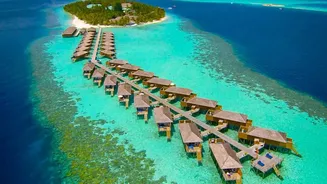
The allure of the Maldives is undeniable. It's a destination synonymous with unparalleled luxury and seclusion. For many, the dream is to disconnect from the world in a pristine bubble of comfort. Yet, a growing number of travellers are seeking more than
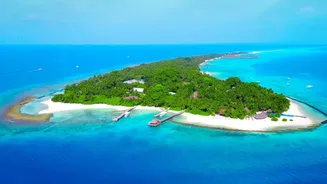
just a beautiful sanctuary; they're looking for a sense of place. The risk of the 'resort bubble' is that one stunning, sand-fringed island can feel much like another, with international menus and standardised designs that could be anywhere in the world. True luxury, however, can be found in the details that anchor you to a specific location, culture, and environment. An authentic Maldivian holiday doesn't require sacrificing five-star service; it means choosing resorts that thoughtfully weave the local soul into their exclusive experience.
Architecture That Tells a Story
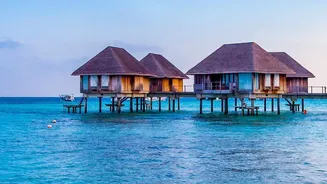
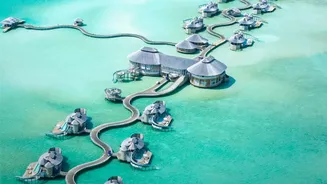
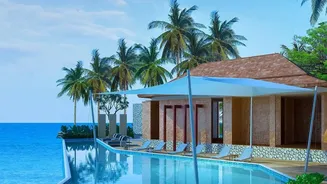
A resort's design is often the first clue to its philosophy. While sleek, modern lines can be stunning, properties that draw inspiration from Maldivian heritage offer a more profound connection to the islands. Look for architecture that reflects traditional building techniques and natural forms. For example, the St. Regis Vommuli Resort features structures inspired by local marine life, like a whale shark-shaped bar and a lobster-inspired spa. Other resorts, like Six Senses Laamu, prioritise construction that respects local culture and uses sustainable materials, giving you a sense of Robinson Crusoe chic that is deeply rooted in its island setting. These design choices are more than aesthetic; they are a nod to the environment and a celebration of a unique cultural identity, allowing the landscape and heritage to be the main characters in your stay.
Dining with a Sense of Place
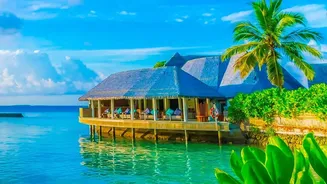
Food is one of the most powerful ways to connect with a culture, and a trip to the Maldives is incomplete without savouring its unique flavours. While many resorts offer excellent international cuisine, those that also champion local dishes provide a richer experience. Move beyond the standard buffet and seek out opportunities to try Maldivian specialities. Many high-end resorts are now incorporating local ingredients, often from their own organic gardens, into their fine dining menus. Ask for dishes like 'garudhiya' (a fragrant fish broth) or 'mas huni' (a breakfast dish of shredded smoked tuna, onion, coconut, and chilli). Resorts like Four Seasons Kuda Huraa have gained acclaim for their authentic regional cuisine, proving that local flavours can be a highlight of a luxury stay. Engaging with the local palate is a delicious way to feel connected to the islands.
Adventures with a Local Heart
The most memorable travel moments often come from genuine human interaction. An increasing number of resorts are creating respectful and authentic ways for guests to engage with the local community. This can range from guided tours to nearby inhabited islands, which offer a glimpse into the daily life of Maldivians, to hosting performances by local 'Bodu Beru' music and dance troupes. RAAYA by Atmosphere, for instance, actively supports local artisans and cultural events. Some locally-owned properties, like Kuramathi, offer an inherently deeper connection to the community. Choosing resorts that employ a high percentage of Maldivian staff also enriches your stay, offering daily opportunities for cultural exchange and learning from the people who know the islands best.
Guardians of the Reef
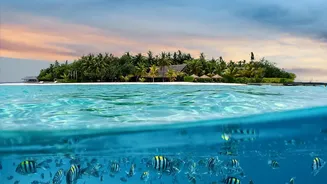
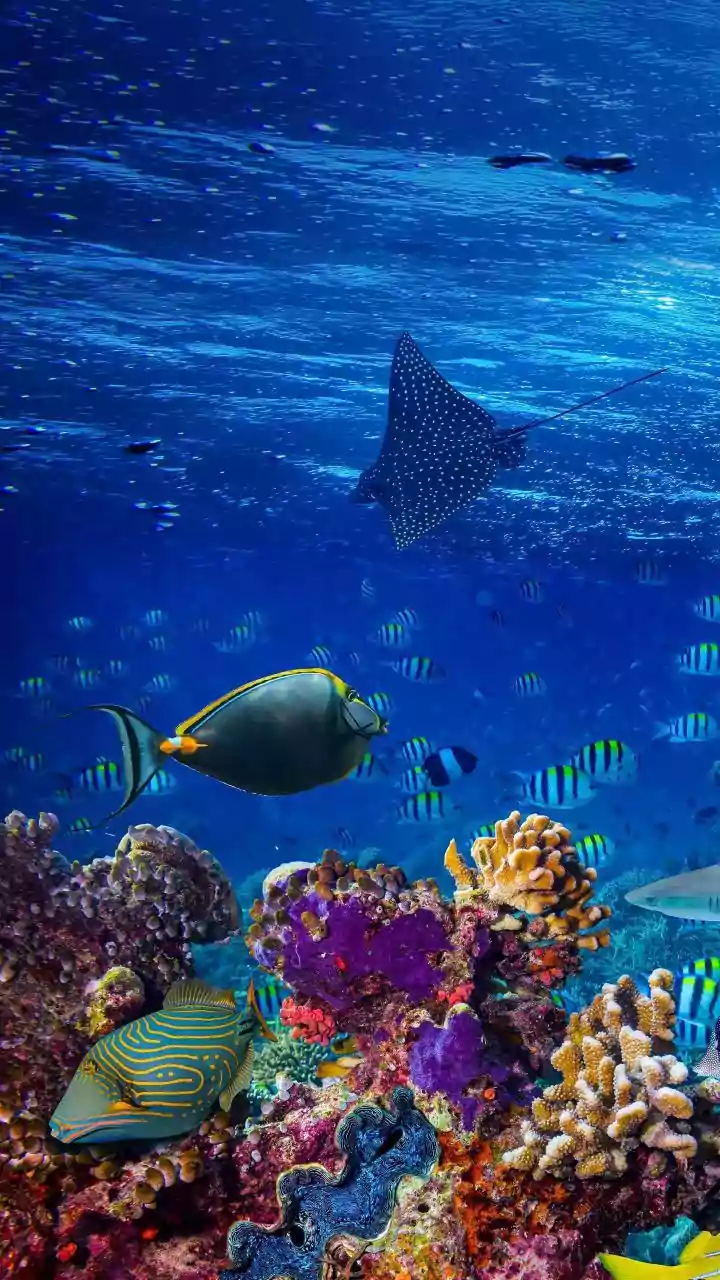
In the Maldives, a 'sense of place' is inextricably linked to the fragile marine ecosystem. The vibrant coral reefs and the rich biodiversity are the very foundation of the nation's identity. Engaging with a resort's conservation efforts is a powerful way to connect with the destination on a deeper level. Many luxury properties, such as Six Senses Laamu and Anantara Kihavah, have extensive marine biology programs. Guests can participate in coral adoption programs, where you help plant new coral fragments to restore the reef, or join marine biologists for educational snorkelling trips to understand the underwater world. These eco-friendly resorts often lead initiatives in waste management, plastic reduction, and community education, ensuring that tourism contributes positively to preserving the natural beauty that draws visitors in the first place.