






Ignore the Front, Head to the Back
The front of the cereal box is prime real estate for marketing. It's designed to persuade you, not necessarily to inform you. Claims like “supports immunity,” “made with whole grain,” or “source of vitamins” can create a misleading “health halo,” making
a product seem healthier than it is. Studies have shown there is often little correlation between these front-of-package claims and the actual nutritional quality of the cereal. The real story is always on the back, in the nutrition facts panel and the ingredients list. This is where you'll find the objective information needed to make an informed choice.
Master the Ingredients List
Ingredients are listed by weight, from the highest amount to the lowest. For a genuinely healthy cereal, the very first ingredient should be a whole grain. Look for terms like “whole wheat,” “whole grain oats,” or “brown rice.” If the first ingredient is sugar, refined flour (like “wheat flour” or “enriched wheat flour”), or corn, it’s a sign that the cereal is less nutritious. Be wary of multiple types of sugar disguised under different names like cane sugar, corn syrup, maltodextrin, honey, or fructose, which can add up quickly.
Decode the Sugar Content
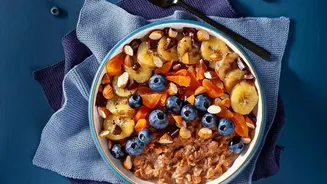
Sugar is a key factor to watch. Many cereals, especially those marketed to children, are loaded with it. A good rule of thumb is to look for cereals with less than 5 grams of sugar per serving. Anything under 8 grams is still in a decent range, but the lower, the better. Don't be fooled by a seemingly low number; always check it against the serving size. If a serving is a tiny 30 grams, and you typically pour a larger bowl, your sugar intake will be much higher. To add sweetness naturally, consider topping your low-sugar cereal with fresh fruits like bananas or berries.
Find the Fibre
Fibre is a breakfast champion. It helps you feel full longer, aids in digestion, and helps manage blood sugar levels. Aim for a cereal that provides at least 3 to 5 grams of fibre per serving. An excellent source of fibre will contain more than 5 grams. Whole grains are naturally rich in fibre, which is another reason to check that they are the first ingredient. Options like oatmeal, wheat bran cereals, and those made with whole wheat or ragi are generally good choices.
A Quick Glance at Sodium
Sodium might not be the first thing you think of in a sweet cereal, but it can be surprisingly high in processed foods. While it's not the primary concern for most people when choosing a cereal, it's worth a quick check. As a general guideline, try to pick a cereal that contains less than 140 milligrams of sodium per serving. This is especially important for individuals monitoring their blood pressure.
Serving Size Sense
Pay close attention to the serving size listed on the nutrition panel. Cereal manufacturers can use a small serving size, like 30 or 40 grams, to make the numbers for calories, sugar, and sodium appear lower. Be realistic about how much you actually pour into your bowl. If you eat double the recommended serving, you need to double all the nutritional values to get an accurate picture of what you're consuming. This simple step can reveal that a seemingly healthy choice is actually delivering a significant amount of your daily sugar limit first thing in the morning.