




The Undisputed King: Aloo Paratha
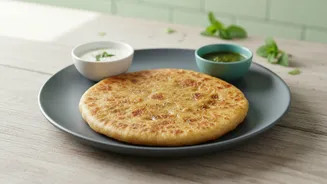
The aloo paratha is the quintessential North Indian breakfast and a dhaba superstar. What makes the dhaba version so special is the hearty, flavour-packed filling. The secret lies not just in the potatoes, but in the blend of spices. Many dhabas use a special,
coarsely ground paratha masala, often featuring ingredients like dried pomegranate seeds (anardana), carom seeds (ajwain), and dried fenugreek leaves (kasuri methi) alongside the usual coriander and cumin. This gives the filling a tangy, complex flavour that bland boiled potatoes lack. Don't be shy with fresh coriander and finely chopped green chillies. For the full experience, cook it in ghee until golden brown and serve with a dollop of white butter and a tangy mango pickle.
The Rich Indulgence: Paneer Paratha
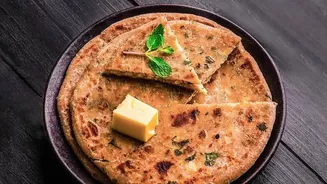
For a protein-rich and creamy alternative, the paneer paratha is a luxurious choice. The key to a great paneer paratha is using fresh, soft paneer and crumbling it finely. The filling is usually simpler than aloo paratha, focusing on the quality of the main ingredient. A mix of garam masala, salt, and perhaps some finely chopped onions or green chillies is all you need to let the paneer shine. Because the filling is delicate, it pairs wonderfully with something cool and creamy. Serve it hot off the tawa with a bowl of chilled dahi (plain yogurt) or a cooling cucumber raita to balance the richness.
The Crunchy Classic: Gobi Paratha
Gobi (cauliflower) paratha offers a delightful textural contrast. The biggest challenge is managing the moisture from the cauliflower, which can make the paratha break while rolling. The dhaba trick is to grate the gobi finely and then lightly sauté it or squeeze out all excess water before mixing in the spices. This ensures a drier filling that’s easier to handle. Season the grated cauliflower with ajwain (carom seeds), which aids digestion and complements the vegetable's flavour, along with turmeric and red chilli powder. This paratha is fantastic with a simple side of plain curd and a piece of lemon or mixed vegetable pickle.
The Zesty Original: Mooli Paratha
Mooli (radish) paratha is a zesty and flavourful option, especially popular in the winter months. Like gobi, mooli releases a lot of water. The best way to handle this is to grate the radish, sprinkle it with salt, and let it sit for about 15-20 minutes. Then, squeeze out every last drop of water before adding spices. This step is crucial for a crisp, non-soggy paratha. The sharp flavour of the radish is beautifully balanced with fresh coriander, green chillies, and sometimes carom seeds. Its robust taste needs nothing more than a generous smear of butter on top, allowing the unique flavour of the mooli to be the star.
The All-in-One: Mixed Veg Paratha
When you can't decide on just one filling, the mixed veg paratha comes to the rescue. This is a fantastic way to use up small amounts of various vegetables. A common combination includes finely chopped carrots, beans, peas, and onions. The vegetables are typically boiled or sautéed until soft and dry before being mashed and spiced. This paratha is a wholesome meal in itself, packed with nutrients. Because it contains a medley of flavours, it’s versatile and pairs well with almost anything, from a simple pickle to a cooling boondi raita or just a hot cup of masala chai for a truly comforting breakfast.