





Beyond Giza: The Pyramids of Dahshur
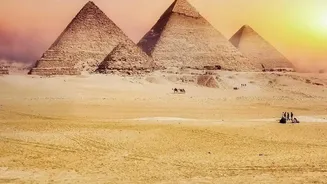
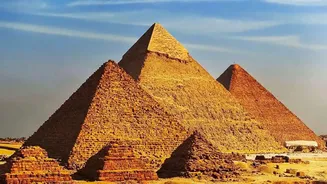
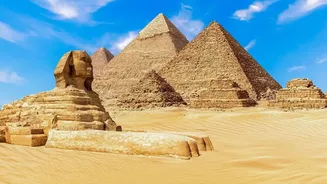
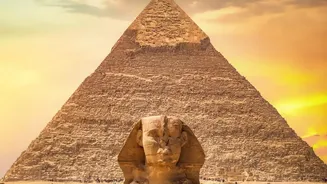
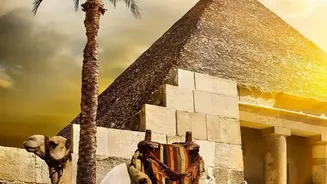
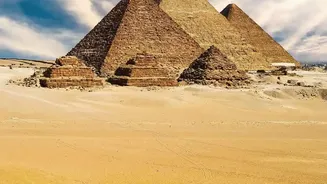
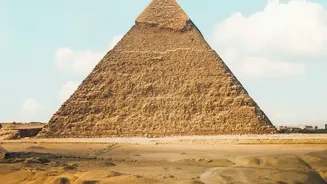
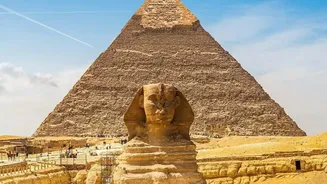
The Pyramids of Giza are a non-negotiable wonder of the world. But the sheer volume of visitors can sometimes detract from the awe. For a more personal encounter with these ancient structures, consider a day trip to Dahshur, just south of Cairo. Here
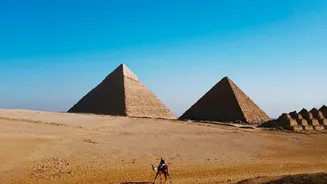
you’ll find the Bent Pyramid and the Red Pyramid, architectural precursors to the Giza marvels. These pyramids are where ancient engineers perfected their craft, and the evolution is visible in their very stones. The best part? You can often explore the area in relative peace, allowing you to absorb the scale and solitude of the desert landscape without jostling for a photo. Entering the Red Pyramid often involves a steep descent into its inner chambers, an adventurous experience that feels a world away from the more managed tourism at Giza.
Luxor's Whispering Tombs: The Valley of the Nobles
The Valley of the Kings is a bucket-list destination, holding the tombs of pharaohs like Tutankhamun. While essential, it’s also one of Egypt's busiest sites. To complement this, cross over to the nearby Valley of the Nobles. This necropolis is the final resting place of high-ranking officials, priests, and governors. Unlike the royal tombs, which focus on the afterlife and gods, the tombs here are famous for their vibrant, detailed paintings depicting daily life. You'll see vivid scenes of farming, hunting, fishing, and banquets, offering an intimate glimpse into how ancient Egyptians lived. The artwork feels more personal and the crowds are significantly smaller, allowing for quiet contemplation of the beautiful frescoes.
Aswan's Serene Sanctuaries: Elephantine Island
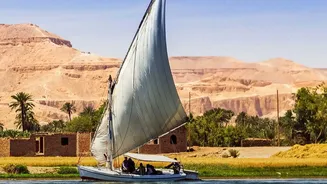
Aswan is a place to slow down, and while the High Dam and the stunning Philae Temple are highlights, the city’s true charm lies along the Nile. For a peaceful escape, take a local ferry or felucca to Elephantine Island. This island, located in the middle of the Nile, is home to colourful Nubian villages where life moves at a much gentler pace. Wander through the narrow, sandy alleys, past brightly painted houses, and greet the friendly locals. The island also contains the ruins of the Temple of Khnum and an ancient Nilometer, used to measure the river's flood levels. It provides a tranquil cultural experience that contrasts beautifully with the monumental scale of Aswan's main attractions.
The Temples Less Travelled: Dendera and Abydos
Karnak and Luxor Temples are breathtaking in their grandeur, but they can also be overwhelming. For history enthusiasts seeking a deeper, less-crowded experience, a day trip north from Luxor to Dendera and Abydos is a must. These two temple complexes are among the best-preserved in all of Egypt. The Temple of Hathor at Dendera is famous for its intact roof and a stunning ceiling painted with astronomical scenes. Further on, the Temple of Seti I at Abydos features some of the most intricate and well-preserved carvings of any pharaonic site. Because they are off the main tourist circuit, you can explore their sacred halls and admire the art without the usual crowds, making the long drive well worth the effort.
An Oasis of Calm: The Siwa Oasis
For a true departure from the historical trail of the Nile Valley, consider the journey to the Siwa Oasis. Located deep in the Western Desert, Siwa is a world apart. This remote sanctuary is famous for its lush palm groves, shimmering salt lakes, and freshwater springs like Cleopatra's Bath. The pace of life here is slow and relaxed. You can explore the ancient mud-brick fortress of Shali, visit the Temple of the Oracle (famously consulted by Alexander the Great), and float effortlessly in the buoyant salt pools. While getting there requires a long bus or car journey from Cairo, visitors are rewarded with a profound sense of peace and a unique cultural experience that many who visit Egypt miss.