

The Science of the Soggy Salad
The primary culprit behind a disappointing salad is the dressing. Most vinaigrettes and dressings are made with salt and acid, such as vinegar or lemon juice. When these ingredients come into contact with delicate greens, a process called osmosis begins.
Essentially, the salt draws water out of the lettuce leaves, causing them to wilt and lose their crisp texture. Oils in the dressing can also break down the protective waxy coating on leaves, accelerating the process. Storing a dressed salad in an airtight container can make matters worse by trapping the released moisture and creating a slimy environment. To avoid this, the cardinal rule is to always add your dressing right before you eat.
Choose Your Greens Wisely
Not all greens are created equal when it comes to standing up to a few hours in a container. Delicate lettuces like spring mix and some varieties of spinach are prone to wilting quickly, even without dressing. For a meal-prepped salad that will still have bite at noon, opt for sturdier greens. Hearty options like kale, romaine lettuce, cabbage, Swiss chard, and even iceberg lettuce hold their structure and crispness far longer. If you love softer greens like arugula, they can still work, but they should be packed as the very last ingredient, far away from any moisture.
Master the Art of Layering
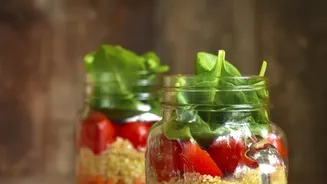
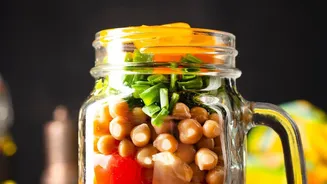
Keeping your dressing separate is step one, but for a truly superior salad, layering is key. This technique, often seen in mason jar salads, is about strategic ingredient placement. Always start with the dressing at the very bottom of your container. The next layer should consist of hard, non-absorbent ingredients like chickpeas, carrots, onions, or bell peppers. After that, add your grains or proteins like quinoa, chicken, or beans. Softer vegetables and fruits, such as tomatoes or cucumbers, come next. Finally, top it all off with your delicate greens, nuts, and seeds. This method ensures your lettuce stays high and dry, completely shielded from the moisture-releasing ingredients below until you're ready to shake it all up.
Your Toolkit for a Perfect Packed Salad
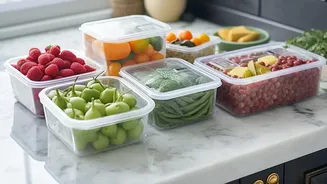
The right container makes all the difference. Many modern lunch containers come with dedicated, leak-proof pots for dressing. If yours doesn't, investing in a small, separate container with a screw-top lid is a simple solution. Brands like Sistema offer small, stackable condiment containers perfect for this purpose. For those who prefer glass, small mason jars are an excellent choice. When packing your main salad, a large, bowl-like container is often better than a deep, narrow one, as it prevents the greens at the bottom from being crushed. Another pro tip is to place a folded paper towel on top of your greens before sealing the lid; it will absorb any excess moisture and help maintain crispness.
Handle Wet Ingredients with Care
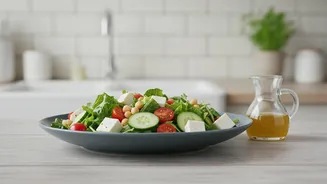
Dressing isn't the only source of unwanted moisture. Ingredients with high water content, like cucumbers and tomatoes, can also make a salad soggy. To combat this, you can prep them to reduce their moisture. For cucumbers, try slicing them and letting them sit with a sprinkle of salt for about 20 minutes to draw out excess water before patting them dry. For tomatoes, especially juicy varieties, consider scooping out the seeds and watery pulp before chopping the flesh. Making sure all your washed ingredients, especially the greens, are thoroughly dry before packing is also crucial. A salad spinner is your best friend here.