


The Age-Old Navigation Problem
Getting lost on the way to a new restaurant is an inconvenience; getting lost on the Moon is a life-threatening crisis. During the Apollo era, astronauts struggled with navigation. Lacking distinct landmarks on the vast, grey surface, they found it difficult
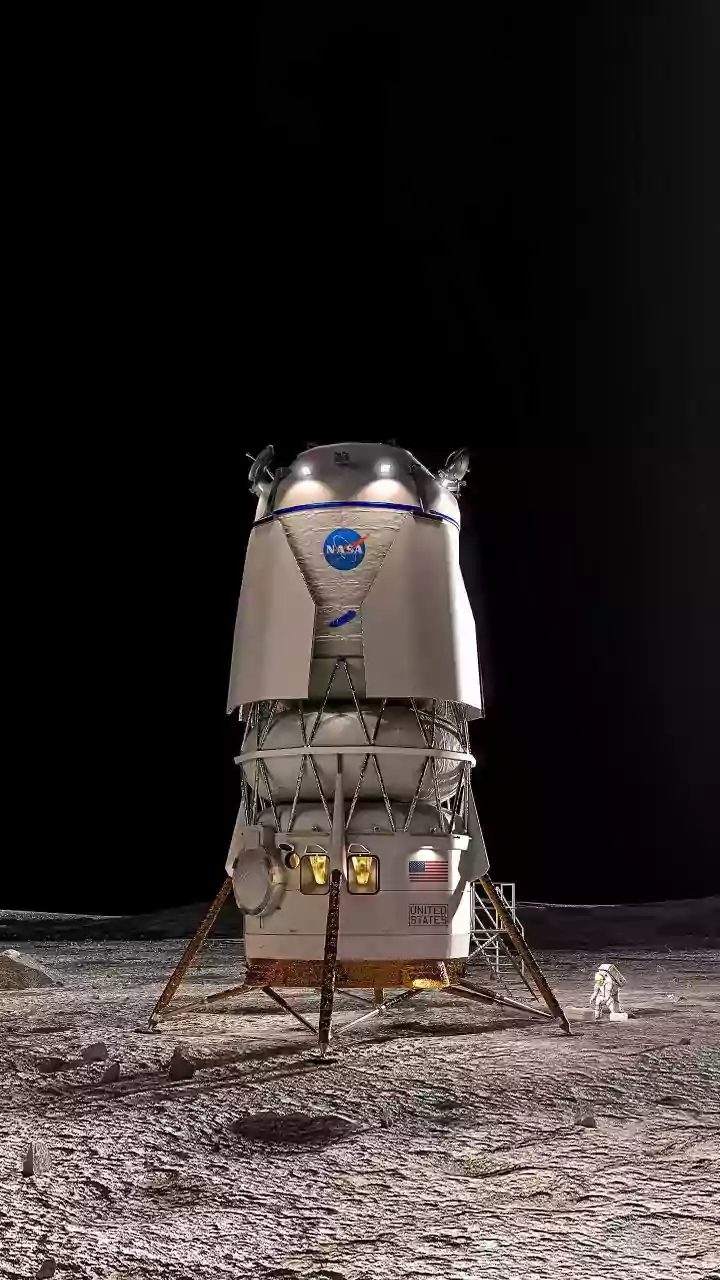
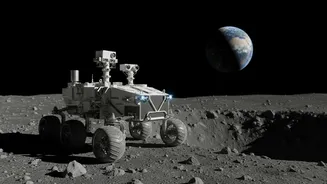
to judge distances and pinpoint their location, leading to concerns back at Mission Control. Today, with NASA's Artemis program aiming to establish a sustainable human presence, that problem has only grown more complex. Future missions will involve more people, more robots, and more activity in challenging areas like the lunar south pole, where the terrain is rugged and direct line-of-sight to Earth is not guaranteed. Relying on Earth-based tracking, with its inherent delays and communication gaps, is simply not a viable long-term strategy for safe and efficient lunar operations.
Introducing LunaNet: The Moon's Internet
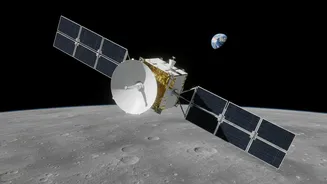
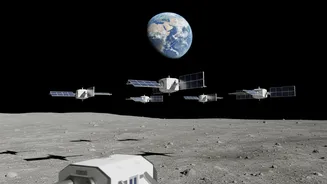
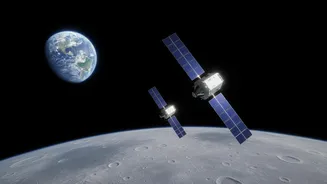
The answer to this challenge is a groundbreaking new architecture called LunaNet. Think of it less as a single satellite and more as a 'network of networks' designed to provide internet-like services for the Moon. Spearheaded by NASA in collaboration with international and commercial partners, LunaNet is a framework for communications and navigation that will support everything from crewed landers and surface rovers to orbiting science missions. The core idea is to move away from the old model where each mission schedules individual communication links with Earth. Instead, LunaNet will create a flexible, interconnected system that allows lunar assets to communicate with each other and with Earth seamlessly, much like how we use the internet in our daily lives.
More Than Just a Dot on a Map
While providing a GPS-like function is a cornerstone of the project, LunaNet's capabilities go much further. The system is designed to provide three key services: networking, science utilization, and—crucially—Position, Navigation, and Timing (PNT). This means that in addition to telling an astronaut or rover its precise location, LunaNet will also provide a highly accurate and stable time signal, which is essential for synchronizing communications and scientific instruments. It will also deliver critical alerts, such as warnings about solar radiation events, directly to users on the surface without needing to route them through Earth first. This creates a layer of autonomy and safety that is vital for long-term settlement.
Building the Lunar Infrastructure
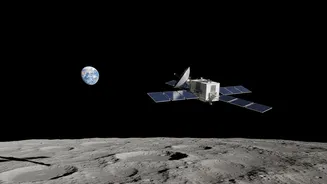
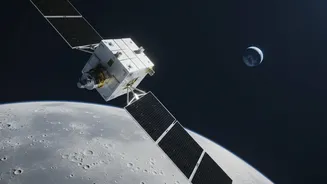
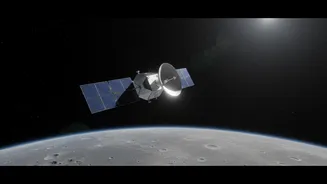
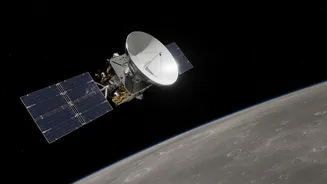
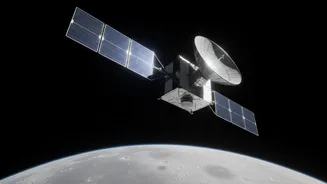
This ambitious network won't appear overnight. It's being built incrementally. A key step involves deploying a series of lunar relay satellites. NASA is partnering with commercial companies like Intuitive Machines to build this infrastructure. In a significant milestone, NASA recently delivered a compact navigation payload called NavCube3-mini to be integrated into the company's Altus-1 relay satellite. This shoebox-sized device is powerful enough to use signals from Earth's existing GPS and Galileo satellites at lunar distances, providing an immediate navigation capability that will serve as a bridge until the full LunaNet constellation is operational. These early relays will be critical for missions targeting the lunar south pole, a region of high scientific interest that often lacks a clear communications path to Earth.
A New Era of Lunar Operations
What these planned satellites reveal is a fundamental shift in how we approach space exploration. It's no longer just about planting a flag and coming home; it's about building permanent, scalable infrastructure. LunaNet represents the essential utility grid—the communications, data, and navigation backbone—that will enable a bustling lunar ecosystem. This network will not only support NASA's Artemis astronauts but will also be open to international partners and commercial ventures, fostering an environment of collaboration and economic development. By creating a reliable system for knowing where you are and communicating effectively, NASA is laying the groundwork for a future where science, exploration, and even industry can thrive on the Moon.