





The Heart of the Argument
In a recent statement, Commerce and Industry Minister Piyush Goyal highlighted that the government is actively identifying economic sectors that could prove resilient to job disruption from Artificial Intelligence. He pointed specifically to tourism as
an industry with significant potential to withstand the pressures of automation. According to the minister, this is not about shying away from new technology but adopting a smart, strategic approach. The comments come as the Commerce Ministry undertakes a broader study to understand the impact of AI on employment, aiming to balance the push for greater efficiency with the need to protect livelihoods across the country.
Why Tourism Is Different
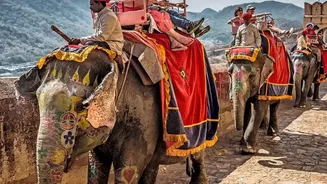
The core reason for tourism's resilience lies in its fundamentally human nature. Unlike roles in sectors like IT support or data entry, which involve repetitive, predictable tasks, tourism thrives on human interaction. Jobs in hotels, restaurants, transport services, and entertainment require a physical presence and a personal touch that AI cannot currently replicate. Memorable travel experiences are built on empathy, trust, nuanced communication, and the ability to solve unexpected problems—skills that are inherently human. While AI can book a flight, it cannot replicate the warmth of a hotel welcome or the storytelling prowess of a knowledgeable local guide.
The Human Element Advantage
Experts believe that as AI automates transactional aspects of travel, the value of human expertise will actually increase. When trips are complex, expensive, or emotionally significant, travellers seek the reassurance and guidance of a real person. This places a premium on roles that require deep destination knowledge, cultural understanding, and creative planning. Think of luxury travel consultants, specialised tour designers, and crisis management teams who navigate disruptions. These jobs are not just about processing information; they are about building relationships, curating experiences, and providing a level of personalised service that goes beyond algorithms.
AI as an Assistant, Not a Replacement
It is crucial to understand that resilience does not mean immunity from change. The tourism sector is already adopting AI as a powerful tool to enhance operations, not to eliminate its workforce. Artificial intelligence is being used for dynamic pricing in hotels, personalising marketing campaigns, and managing back-end logistics more efficiently. Chatbots can handle routine customer queries, freeing up human staff to focus on more complex guest needs. In this model, AI functions as a co-pilot, empowering employees to deliver better service and creating demand for new skills in digital marketing and data analytics within the sector. The goal is to blend automation with authenticity.
A Blueprint for the Future
The government's focus on tourism is part of a larger national strategy to navigate the AI revolution thoughtfully. By identifying and nurturing 'AI-proof' sectors, the ministry aims to create a blueprint for sustainable employment growth. This involves recognising which industries depend on irreplaceable human skills and fostering them accordingly. While sectors like manufacturing and business process outsourcing face significant changes from automation, tourism offers a different model—one where technology amplifies human capability rather than rendering it obsolete. Goyal's remarks suggest a forward-looking approach that seeks to leverage AI for economic growth while safeguarding India's demographic advantage.