






Embrace The Power Of Sour
In the world of flavours, sour is a superpower. It cuts through richness, brightens dull dishes, and creates a mouth-watering contrast that makes food exciting. Amla, or the Indian gooseberry, is a powerhouse of this sharp, astringent taste. While many
shy away from its intensity, thinking it's something to be masked, chefs and savvy home cooks know that this very quality is its greatest culinary asset. Instead of fighting its nature, the best way to cook with amla is to lean into its sourness and use it to elevate other ingredients. Its tartness can act as a natural flavour enhancer, much like a squeeze of lemon or a splash of vinegar, but with a more complex, fruity depth. When you understand how to balance it, amla transforms from a challenging ingredient into an indispensable one.
The Perfect Partner: Sweet
The most classic and effective way to temper amla's sour punch is to pair it with something sweet. This is the principle behind the beloved amla murabba, where the berries are preserved in a thick sugar syrup, turning them into a tender, translucent candy. But you don't have to stop at murabba. Jaggery is a fantastic partner, its earthy, caramel notes providing a rustic and profound sweetness that complements amla perfectly. Try steaming amla until soft, de-seeding it, and then cooking it down with grated jaggery and a pinch of salt to create a quick jam or chutney. This sweet-sour paste can be spread on toast, swirled into yogurt, or served alongside parathas. Even naturally sweet fruits and vegetables like mango, banana, or roasted pumpkin can balance amla's acidity in smoothies or salads.
The Dynamic Duo: Spice
If sweet ingredients soften amla's edge, spicy ones create a thrilling culinary dialogue with it. The heat from chillies, the warmth of ginger, and the fragrance of whole spices are all beautifully amplified when paired with amla's tartness. A classic South Indian rasam, for instance, can be given a unique twist with amla puree, its sourness providing the perfect counterpoint to the heat of black pepper and chillies. You can also make a quick and zesty pickle by boiling amla briefly, then tossing the segments with mustard oil, fennel seeds, green chillies, and a pinch of asafoetida. For a simpler approach, try making a fresh chutney by blending raw amla with coriander, mint, ginger, and green chillies for a vibrant condiment that cuts through the richness of fried snacks or grilled meats.
Beyond the Usual Suspects
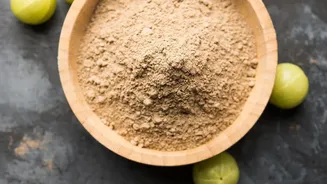
Thinking of amla only in terms of pickles and preserves limits its vast potential. It can be seamlessly integrated into everyday meals. Grate fresh amla into your dal tadka along with tomatoes for an extra layer of tang. Finely chopped amla can be added to rice dishes, similar to lemon rice, for a refreshing and flavourful meal. Amla juice, mixed with ginger, honey, and a little black salt, makes for an invigorating morning drink that's far more interesting than a simple shot. You can even stir a small amount of amla powder into salad dressings or marinades to add a unique, tangy kick that brightens up the entire dish.
A Note on Health Claims
It's impossible to discuss amla without acknowledging its reputation as a superfood. For centuries, Ayurveda has celebrated it as a powerful ingredient for everything from digestion to immunity. Modern science confirms it's packed with antioxidants and is an exceptionally rich source of stable Vitamin C. Studies have suggested benefits related to managing blood sugar, improving digestion, and supporting heart health. However, the headline's advice is wise: it's best to see amla as a nutritious food idea rather than a cure-all. Many of the grander claims are still being researched, and no single food can act as a magic bullet. Enjoying amla in delicious, well-rounded meals allows you to reap its nutritional benefits as part of a balanced diet, which is a much healthier and more sustainable approach than chasing unproven miracle cures.