






Turning Conflict into Conservation
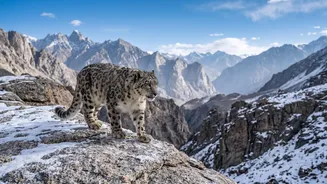
For generations, the relationship between Ladakh's pastoral communities and the snow leopard was one of conflict. These magnificent predators would often prey on livestock, the primary source of income for many families in the high-altitude region. This
led to retaliatory killings, pushing the already endangered species closer to the brink. However, a transformative shift began to take place, spearheaded by organisations like the Snow Leopard Conservancy India Trust (SLC-IT). The core idea was simple but powerful: what if the snow leopard could become more valuable to a village alive than dead? This question laid the groundwork for a new model of community-based ecotourism that is now being officially adopted and scaled up.
The Community-Led Tourism Model
The foundation of this approach is the award-winning Himalayan Homestay program, which has been evolving for years. Instead of tourists staying in large, resource-intensive hotels, they stay in the homes of local villagers. This provides an authentic cultural experience and, crucially, a direct source of income for families. A portion of this income offsets potential livestock losses, changing local attitudes towards the predator. Furthermore, about ten percent of all homestay earnings are pooled into a village conservation fund. This community-managed fund is then used for vital local projects, such as planting trees, managing waste, maintaining cultural sites, and even running livestock insurance schemes to further protect herders.
Official Launch of the Safari
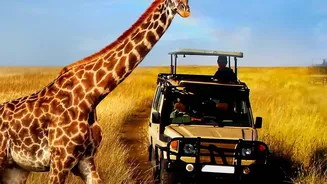
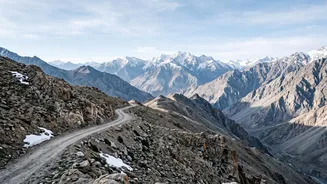
Building on this successful grassroots model, the Ladakh administration officially launched the country's first high-altitude snow leopard safari in October 2026. Lieutenant Governor Vinai Kumar Saxena flagged off the first fleet of specially designed, open-back safari vehicles. This initiative formalises wildlife viewing, aiming to regulate the flow of tourists and prevent environmental damage from unorganised activities like illegal off-roading. The safaris, operated by trained local drivers and guides, will run on designated routes in areas known for sightings, such as Rumbak, Shang, and Uley within the iconic Hemis National Park and other protected zones. The stated goal is not just to boost tourism, but to create a regulated system where conservation and local livelihoods can thrive together.
How the Ecosystem Benefits
The model's brilliance lies in creating a positive feedback loop: the presence of a healthy snow leopard population attracts tourists. The revenue from these tourists empowers local communities, giving them a direct economic stake in protecting the animals and their habitat. This goes beyond just the homestays. The programme has helped empower local women, who run eco-cafes along trekking routes and create handicrafts, providing them with financial independence. The conservation funds also support predator-proofing livestock corrals and other measures that directly reduce human-wildlife conflict. By making the snow leopard an economic asset, communities that once saw it as a pest now actively work to protect it.
A Blueprint with Challenges
With an estimated 477 of India's 718 snow leopards residing in Ladakh, the success of this model is critical. However, the path forward is not without challenges. The growing popularity of Ladakh as a tourist destination brings risks of over-tourism, which can strain scarce resources like water and lead to problems with waste management. The key to long-term success will be strict regulation and careful monitoring to ensure that the influx of visitors does not disturb the fragile ecosystem the safari is designed to protect. The administration has stressed that rules on visitor numbers and vehicle routes will be enforced to maintain the delicate balance. Visitors, too, have a responsibility to be respectful of the wildlife and the local culture that sustains it.