





The allure of a winter road trip in India is undeniable, with crisp air and stunning landscapes. But from the Himalayas to the plains, cold weather brings unique and serious challenges that make careful route selection absolutely critical.
The Challenge of the Mountains
Driving into
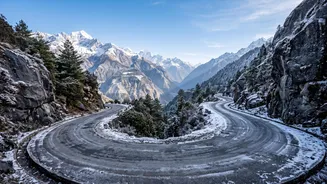
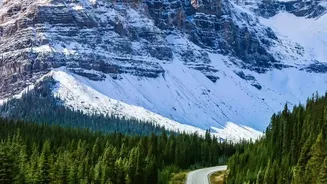
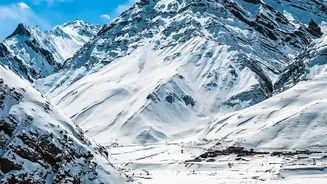
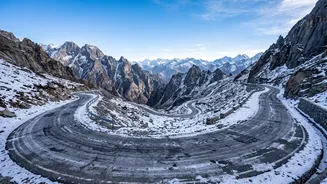
the snow-capped Himalayas is a dream for many, but it's a journey that demands immense respect for the conditions. High-altitude passes in regions like Ladakh, Himachal Pradesh, and Sikkim become treacherous. Roads can be covered in snow, but the most significant danger is often invisible: black ice. This thin, transparent layer of ice forms in shaded areas, on bridges, and at tunnel exits, drastically reducing tyre grip and multiplying stopping distances. Many popular routes, like the Manali-Leh Highway or the roads to Spiti Valley and Yumthang Valley, close entirely for several months due to heavy snowfall and avalanche risks. Choosing a route in winter means checking which passes are officially open, as authorities often restrict access or only permit 4x4 vehicles on certain sections. Ignoring these warnings can leave you stranded in extreme cold with limited access to help.
The Veil of Fog on the Plains
The dangers of winter driving aren't confined to the mountains. Across the northern plains of India, particularly in Uttar Pradesh, Punjab, Haryana, and the Delhi-NCR region, dense fog is the primary hazard. From late December to January, visibility on major highways and expressways can drop to near zero, especially in the early morning hours. This has led to numerous, tragic multi-vehicle pile-ups. In such conditions, a driver's reaction time is severely compromised. It’s not just about slowing down; route selection plays a role here, too. Knowing which highways are prone to the densest fog and planning your travel time to avoid the worst of it—typically by starting your journey after 10 a.m. when the fog begins to lift—is a crucial safety measure.
Your Vehicle's Winter Health
Cold weather is uniquely hard on vehicles. Before any trip, a thorough check is non-negotiable. Cold temperatures reduce a battery's efficiency, making it the most common component to fail in winter. It's essential to have it tested, especially if it's more than a few years old. All fluids must be checked, particularly the engine coolant, which needs the correct mixture of antifreeze to prevent the engine block from freezing. Tyres are another critical point. Cold air causes tyre pressure to drop, so they must be inflated to the correct level. Good tread depth is vital for grip on slippery roads, and for trips to snowy areas, carrying snow chains is highly recommended and sometimes mandatory.
Smart Planning for a Safe Journey
Ultimately, a successful winter road trip is defined by its planning. Start by researching your intended route thoroughly, using official sources like the India Meteorological Department for weather alerts. Be aware that many high_altitude roads operate on a permit system or have specific timings for vehicle movement in winter. Always have a backup plan and build buffer days into your itinerary in case a road is unexpectedly closed. It's wise to plan for shorter driving days to avoid being on the road after dark when temperatures plunge and ice is more likely to form. Inform a friend or family member of your detailed itinerary before you leave. And perhaps most importantly, listen to local advice from hotel owners or dhaba operators—they have the most current information on ground conditions.