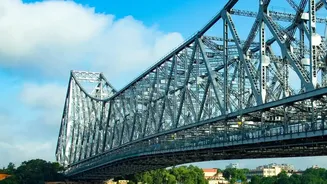

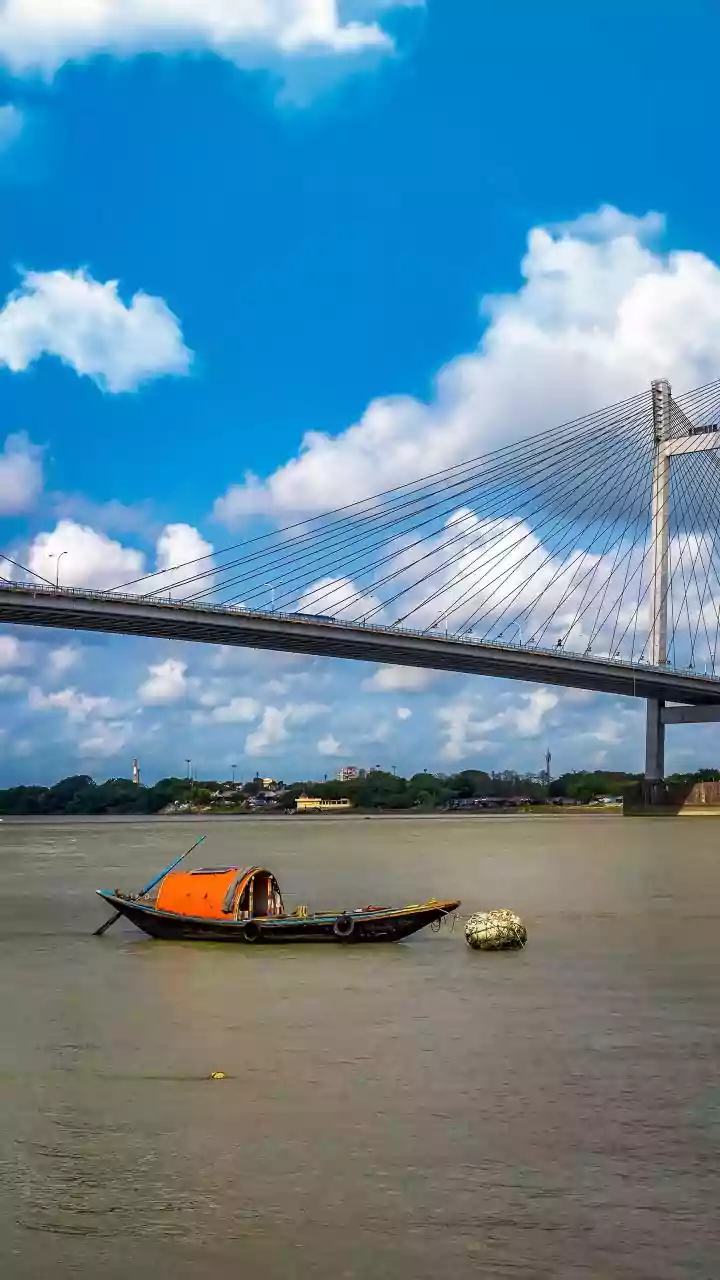

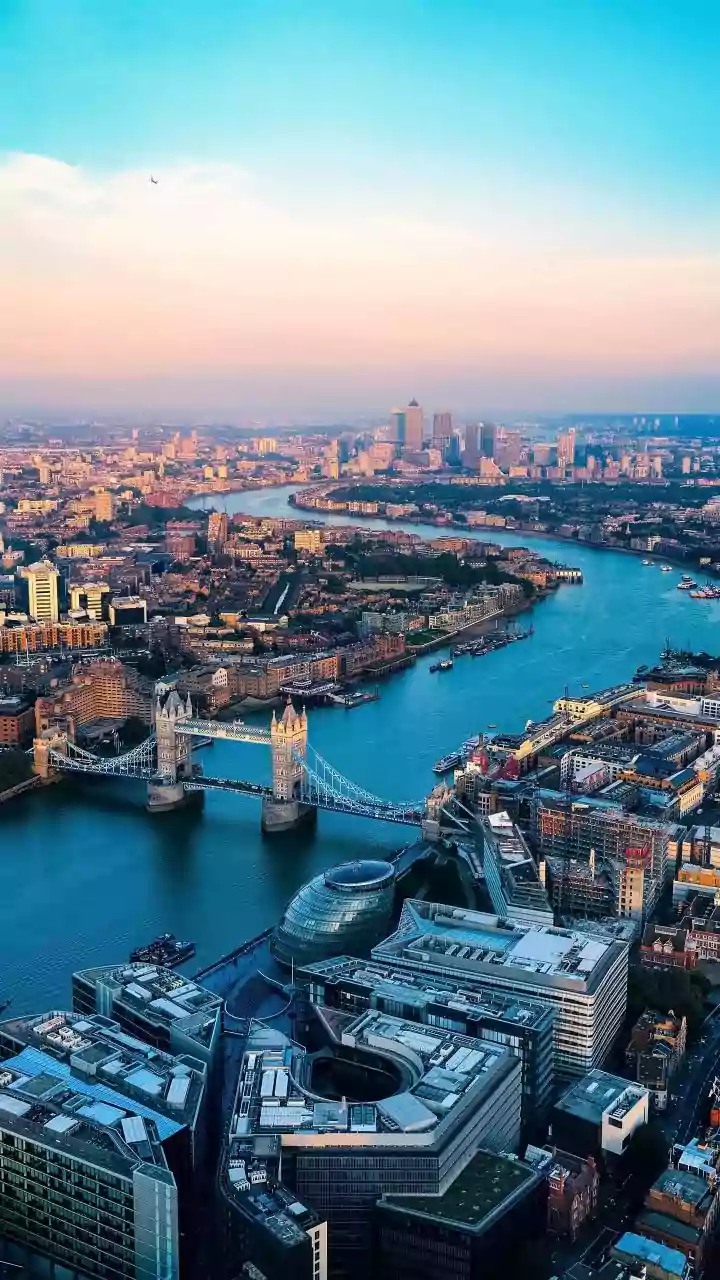




Why is Kolkata often called the 'London of India'? The nickname is a nod to its past as the capital of British India, a history etched in its grand architecture and urban design. This legacy is most visible along its riverfront and commercial core.
The Story Behind the Nickname
For
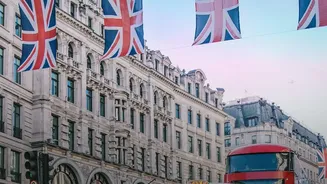
over a century, from 1772 to 1911, Kolkata (then Calcutta) was the most important city in the British Empire after London itself. As the capital of British India, it was transformed into a centre of administration, trade, and culture, designed to reflect imperial power and prestige. The British built grand public buildings, wide roads, and stately homes, drawing heavily on European architectural styles like Neoclassical, Gothic Revival, and Victorian. This deliberate shaping of the urban landscape gave the city an appearance remarkably similar to London, cementing its reputation as the 'London of India'. The comparison also stemmed from the Hooghly River's vital role in commerce and transport, much like the River Thames in London.
Echoes of Empire in Stone
Kolkata is an open-air museum of colonial architecture. The most famous landmark is the Victoria Memorial, a magnificent white marble monument built between 1906 and 1921 that blends British and Mughal styles. Another is St. Paul's Cathedral, a stunning example of Gothic Revival architecture completed in 1847 to serve the growing European community. The Calcutta High Court, established in 1862, stands as an imposing neo-Gothic structure and is the oldest High Court in the country. These buildings, along with the Raj Bhavan (the former residence of the Viceroy) and the General Post Office (GPO), were designed to project an image of grandeur and permanence, creating a cityscape filled with European character.
The Hooghly: A Riverfront of Commerce and Culture
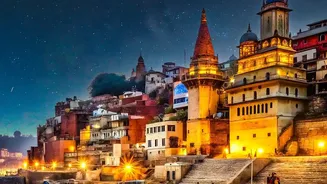
The Hooghly River was Kolkata’s lifeline, a bustling artery of trade connecting the city to the world. Its banks were lined with ghats (riverfront steps), jetties, and enormous warehouses that facilitated a constant flow of goods like silk, indigo, and opium. Ghats were not just for commerce; they were integral to the city's social and cultural life, serving as sites for religious rituals, bathing, and public gatherings. Wealthy merchants and British authorities funded the construction of many ghats, sometimes blending European architectural styles with Indian functionality. A prime example is Prinsep Ghat, built in 1841 with Greek Revival columns, which served as a jetty for steamers and a popular promenade. This historic waterfront was a place where cultures and commerce intertwined daily.
Dalhousie Square: The Empire's Engine Room
At the heart of colonial Calcutta was Dalhousie Square, now known as Benoy-Badal-Dinesh (B.B.D.) Bagh. This area was the undisputed financial, political, and administrative hub of British India. The square is built around the Lal Dighi, a large water tank, and is surrounded by some of the most important buildings of the era. The most prominent is the Writers' Building, which served as the headquarters for the East India Company's clerks and later became the secretariat for the Bengal government. Other key structures include the magnificent General Post Office with its grand dome, the former Currency Building, and various bank headquarters. This dense concentration of colonial architecture earned the area the local nickname 'Office Para' (office neighbourhood) and remains one of the world's most intact colonial city centres.
A Legacy Fading and Being Reborn
Today, Kolkata’s colonial legacy is a mixed picture of preservation and decay. Many historic buildings suffer from neglect, pollution, and the pressures of a modern city. However, there is a growing movement to protect this unique heritage. The government and civic bodies have undertaken several restoration projects, such as the Currency Building, which has been transformed into a museum, and the ongoing work on the Writers' Building. Citizenled initiatives have also played a crucial role, with groups crowdfunding projects to illuminate heritage structures like St. Paul's Cathedral and the Maniktala Market dome, bringing a new glow to the city's nocturnal landscape. Furthermore, ambitious new plans announced in late 2026 aim to redevelop the entire Hooghly riverfront, blending modernisation with heritage preservation to create new public spaces, walkways, and transport links.