




A Quadrillion-Dollar Vision
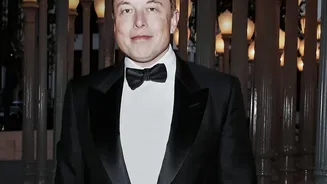
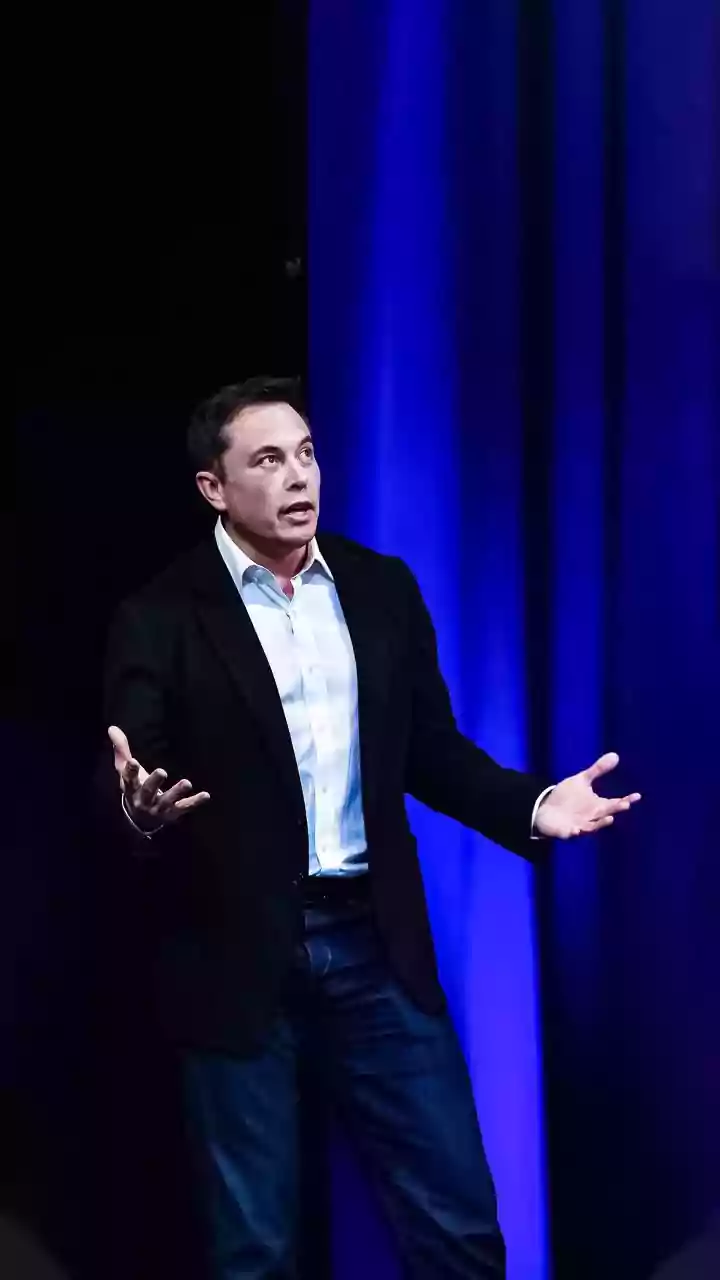
In early October 2026, Elon Musk took to his social media platform, X, to make one of his boldest predictions yet. He stated, 'This will sound super crazy, but I see a path to SpaceX being worth orders of magnitude more than the current Earth economy'.
To put that in perspective, the International Monetary Fund projects the global economy's output in 2026 to be around $126 trillion. 'Orders of magnitude' implies a value at least 100 times greater, suggesting a potential SpaceX valuation north of $12 quadrillion. This astronomical figure dwarfs the company's already massive market capitalization, which hovered around $2.2 trillion following its historic IPO in June 2026. The claim immediately sparked debate: was this a serious financial projection or classic Musk hyperbole designed to articulate a grand vision?
The All-Important Qualification
Recognizing the audacity of his statement, Musk quickly followed up with a crucial clarification. ''Seeing a path' is not a statement of extreme confidence that we will achieve that outcome,' he posted a day later. 'Just means that I believe there is such a path and the probability of achieving it is not zero'. This qualification is key. Musk isn't offering a near-term price target for investors; he is outlining a theoretical possibility. Financial analysts were quick to point out that the comment should be treated as a reflection of long-term ambition rather than a concrete forecast. It separates the day-to-day business of SpaceX from the galaxy-spanning civilization he hopes it will one day enable.
The Foundation: Starship and Starlink
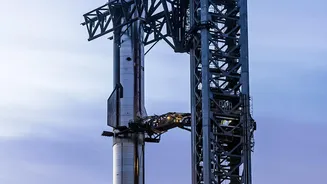
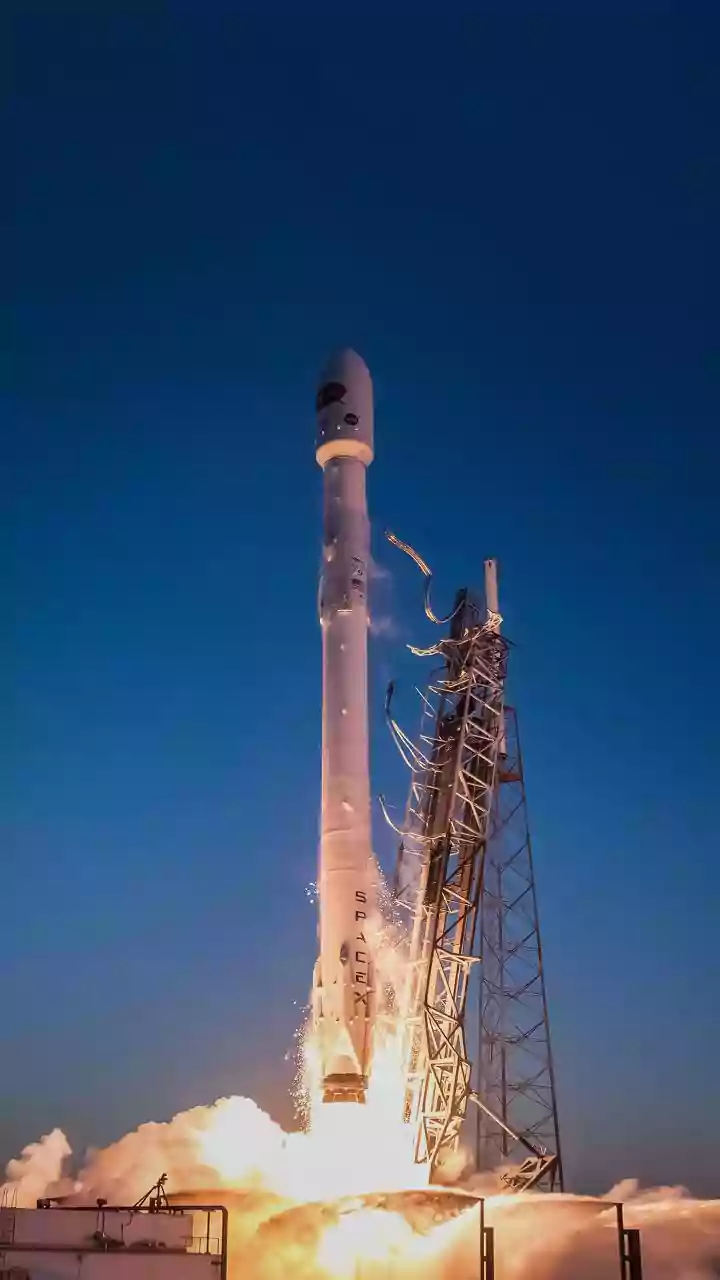
Even without the quadrillion-dollar talk, Wall Street's valuation of SpaceX is built on incredibly ambitious assumptions. The company's $2 trillion-plus market cap is not justified by its current rocket launch business alone. Instead, investors are betting on two transformative, and risky, pillars: Starlink and Starship. Starlink, the satellite internet division, is already SpaceX's primary revenue driver and its only profitable segment, bringing in billions per quarter. The recent successful deployment of next-generation V3 satellites via a Starship rocket was a major milestone, proving the synergy between the two programs. Starship is the key to unlocking exponential growth. As a fully reusable super-heavy launch vehicle, its success is paramount to deploying thousands more advanced Starlink satellites, which in turn could allow the network to handle a significant portion of global internet traffic. This is the core of the bull case for SpaceX—that Starship will drastically lower launch costs and enable Starlink to become a dominant global utility.
From Utility to Interplanetary Economy
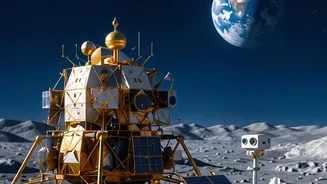
Musk's grand vision extends far beyond internet service. The path to a valuation that exceeds the entire planet's economy relies on creating entirely new, off-world industries. His thinking is predicated on Starship making access to space so cheap and routine that it enables a self-sustaining city on Mars and vast industrial activity in orbit and beyond. In this future, industries like asteroid mining, orbital manufacturing, and interplanetary transport would create economic value that could, theoretically, dwarf Earth's terrestrial economy. He has previously argued that space-based industries could become vastly larger due to the near-limitless solar energy available. This is the 'super crazy' part of his claim: it assumes SpaceX not only continues to dominate the existing space industry but also single-handedly builds a new, multi-planetary one.
What It Means for Investors Today
For those holding or considering SpaceX stock, Musk's pronouncement is more of a mission statement than a financial guide. Analysts advise investors to focus on more tangible metrics. Key near-term catalysts include the frequency and success of Starship test flights, the growth of Starlink's subscriber base and profitability, and the company's massive cash burn as it invests heavily in AI and infrastructure. While Wall Street's consensus 12-month price targets are bullish, they sit around the $220 mark—a healthy increase, but a world away from a quadrillion-dollar valuation. The claim serves as a reminder of the monumental risk and unprecedented potential baked into the company's stock, which ultimately remains a high-stakes bet on Elon Musk's ability to turn science fiction into economic reality.