





A Simple Formula for Gut Health
The conversation around gut health is often noisy, filled with bold claims and expensive supplements. But supporting your digestive system doesn't require a complete lifestyle overhaul. A more sustainable and enjoyable approach focuses on what you add
to your plate, not just what you remove. By prioritising whole foods and understanding a few key components, you can create meals that are both delicious and beneficial. Instead of chasing unverified medical claims, this approach puts the power back in your kitchen. It’s about building a balanced plate that includes fibre-rich carbohydrates, satisfying protein, and a touch of fermented goodness. This simple framework makes it easy to create endless meal combinations that keep you full, energized, and on the right track.
The Foundation: Fill Up on Fibre
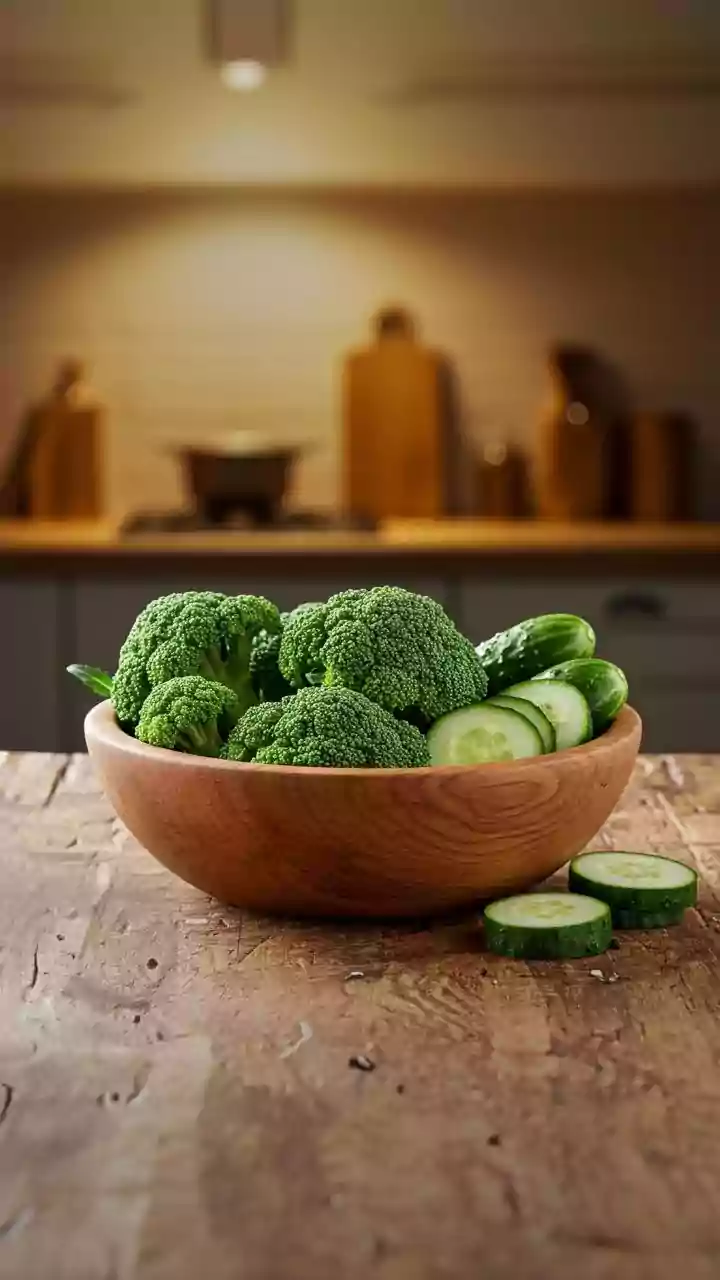
Fibre is the unsung hero of gut health. It acts as fuel for the beneficial bacteria living in your digestive tract. These microbes ferment fibre, producing compounds that nourish the colon lining and support overall health. There are two types of fibre: soluble and insoluble. Soluble fibre, found in oats, beans, and apples, helps regulate blood sugar and cholesterol. Insoluble fibre, present in whole grains and vegetables, adds bulk to stool, promoting regular bowel movements and preventing constipation. A diet rich in diverse plant foods ensures you get plenty of both. Think colourful vegetables, hearty legumes like chickpeas and lentils, and whole grains such as brown rice and quinoa. Aiming for a variety of these foods feeds a wider range of good gut bacteria, which is a key marker of a healthy gut microbiome.
The Flavour Boost: Incorporate Fermented Foods
Fermented foods are a natural source of probiotics—live beneficial bacteria that can help maintain a healthy balance in your gut. For centuries, cultures around the world have used fermentation to preserve food, a process that also creates complex flavours and enhances nutritional value. Adding these foods to your diet doesn't have to be complicated. A spoonful of plain dahi (yogurt) or kefir can introduce billions of helpful microbes. Other accessible options include kimchi, sauerkraut, and miso. The goal isn't to eat large quantities, but to incorporate them regularly. A small side of pickled vegetables, a dollop of yogurt-based sauce, or a miso dressing for your salad can effectively introduce these beneficial bacteria and enzymes, which can also aid in digestion.
The Anchor: The 20g Protein Rule
While fibre and fermented foods are crucial for your gut microbes, protein is essential for you. Including a solid source of protein in your dinner makes the meal more satisfying and helps keep you feeling full for longer. Protein plays a key role in appetite regulation, muscle repair, and maintaining a healthy metabolism. Aiming for around 20 grams of protein is a practical benchmark for a main meal. This is easier to achieve than it sounds. For example, a 100g serving of paneer, a small chicken breast, or about one and a half cups of cooked dal (lentils) each provide roughly 20 grams of protein. Other great sources include three large eggs, a 100g portion of fish, or a cup of Greek yogurt. This protein anchor ensures your gut-friendly meal is also a well-rounded, satiating one.
Putting It All Together: Your Dinner Blueprint
Now, let’s combine these elements into a simple, flexible meal. Think of your plate as a customizable bowl. Start with a base of fibre-rich carbohydrates like quinoa, brown rice, or roasted sweet potatoes. Next, add your 20g protein anchor—this could be grilled chicken, baked fish, a paneer tikka skewer, or a generous serving of chickpea curry. Finally, add your fermented element. This can be as simple as a side of kimchi, a raita made with dahi, or a few pickled onions sprinkled on top. Don't forget to load up on non-starchy vegetables for extra fibre and nutrients. A bowl with seasoned lentils, sautéed spinach, grilled chicken, and a dollop of Greek yogurt is a perfect example. Another could be salmon served with roasted broccoli and a side of sauerkraut. The combinations are endless, allowing you to cater to your own tastes while following a gut-friendly structure.