








A Policy-Powered Liftoff
The single biggest catalyst for this transformation has been a fundamental shift in government policy. The Indian Space Policy of 2023 was designed to do for space what the 1991 reforms did for the wider economy: open the doors to private enterprise.
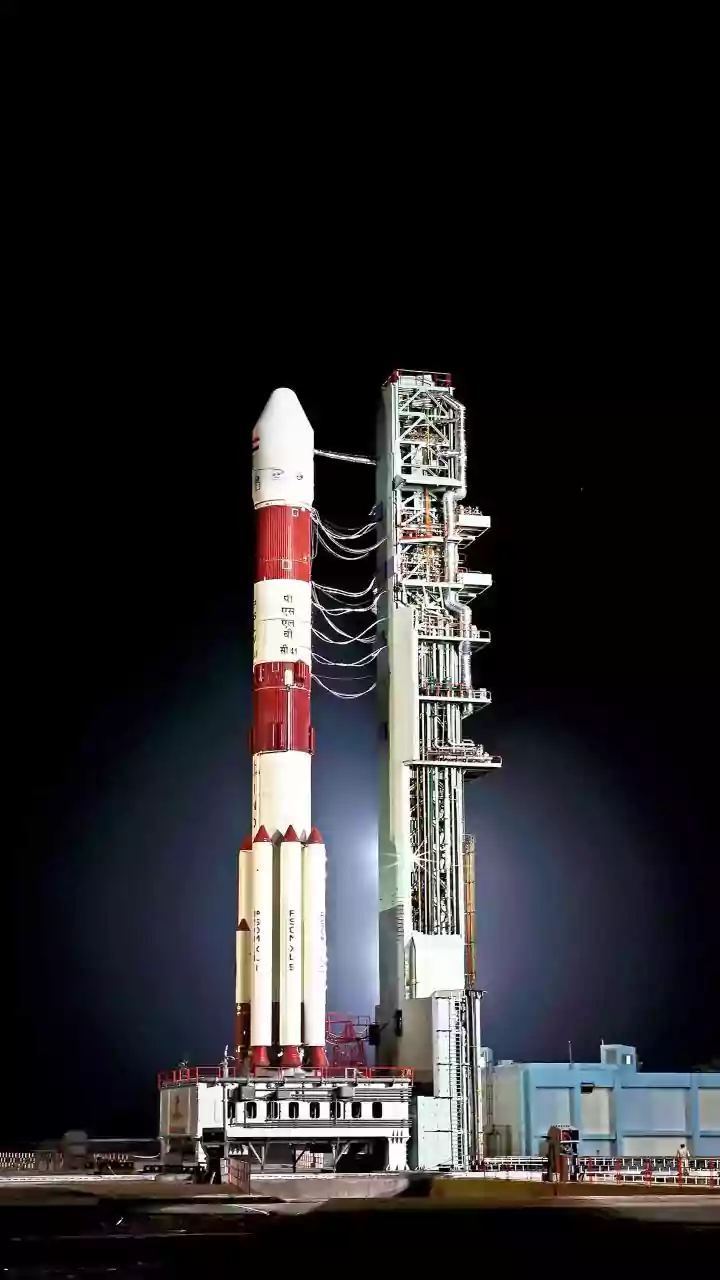
Historically, the Indian Space Research Organisation (ISRO) managed nearly every aspect of the country's space endeavours. The new policy reimagines ISRO’s role, positioning it as a mentor and R&D powerhouse, while encouraging private companies, or Non-Governmental Entities (NGEs), to take on everything from building rockets and satellites to offering commercial services. To facilitate this, the government established IN-SPACe (Indian National Space Promotion and Authorisation Centre) as a single-window agency to guide, authorise, and support private players, effectively creating a structured pathway for their participation.
The Rise of the 'Spacetech' Startup
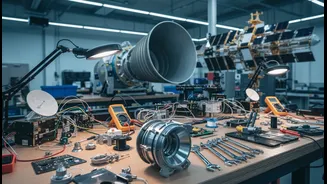
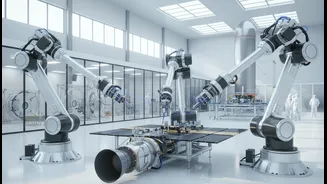
This policy shift has ignited a startup boom. India is now home to hundreds of space-tech startups, a number that has grown exponentially in just a few years. These aren't just small component suppliers anymore; they are building and launching their own complex systems. Companies like Skyroot Aerospace and Agnikul Cosmos are at the forefront. Skyroot made history with its Vikram-1, becoming the world's first private company to reach orbit on its debut mission. Agnikul is pioneering 3D-printed rocket engines and aims to make small satellite launches more accessible and affordable. Their success has sent a clear signal to global investors: India's private space sector is a bankable, competitive industry capable of world-class innovation.
More Than Just Rockets
While rocket launches grab the headlines, the real commercial frontier lies in the “downstream” applications of space technology. This is where the industry becomes truly multidisciplinary. The business is not just about getting to space; it's about what you do from there. Startups like Pixxel are deploying constellations of hyperspectral imaging satellites that can see the Earth in hundreds of wavelengths, providing invaluable data for agriculture, mining, and climate change monitoring. This data is the new space race's gold. It requires data scientists to analyse it, software developers to build applications for it, and industry experts in farming or finance to apply its insights. This focus on downstream services is projected to be a major driver of the Indian space economy's growth, which is estimated to expand from around $8.4 billion today to over $40 billion by the early 2030s.
A New Constellation of Careers
The evolution of the space sector is creating jobs that didn't exist a decade ago. A B.Tech in Aerospace Engineering is no longer the only ticket to a career in space. Today, these startups are hiring across the board. They need mechanical, electrical, and software engineers, but also much more. With private companies launching satellites and managing orbital assets, there is a growing need for space lawyers who can navigate international treaties and liability issues. Venture capitalists and finance professionals are needed to fund this capital-intensive industry. As missions become more ambitious, doctors and biologists are exploring the field of space medicine. Project managers are crucial for steering these complex, multidisciplinary teams from concept to execution. This diversification of roles is making the space industry an exciting and viable career path for a much broader talent pool.