


The First Wave: A Metro-Centric Affair
For years, the story of specialty coffee in India was written in its largest cities. Cafes in Mumbai, Delhi, and Bengaluru became the epicentres of a new coffee culture, serving expertly crafted cappuccinos and pour-overs to a niche audience of urban
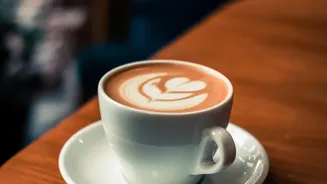
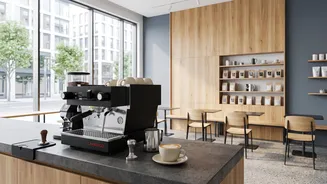
professionals, expatriates, and well-travelled millennials. These spaces weren't just about beverages; they were about introducing an experience, educating consumers on everything from bean provenance to brewing methods. Brands like Blue Tokai and Third Wave Coffee Roasters became synonymous with this premium, metro-centric lifestyle, creating aspirational hubs for work, socialising, and creativity. This initial phase was crucial for planting the seeds of quality coffee, but its reach was largely confined to the top-tier urban landscape.
The New Frontier: Why Smaller Cities?
The next chapter of India's coffee story is unfolding in cities like Jaipur, Lucknow, Indore, and Nagpur. This expansion is not accidental but driven by a confluence of powerful socio-economic trends. Rising disposable incomes and increasing aspirations in non-metro areas have created a new class of consumers eager for premium experiences they were previously exposed to only through media or travel. Furthermore, the pandemic-induced trend of reverse migration saw many young professionals return to their hometowns, bringing their metro-honed tastes and expectations with them. This, combined with the power of e-commerce and social media, created a fertile ground of awareness and demand long before the first specialty cafe opened its doors. Entrepreneurs are finding that while awareness might be slightly lower than in metros, the gap is closing fast.
The Business of Brewing
The expansion into regional markets is being powered by diverse business models. It's not just national chains expanding their footprint. A significant part of the growth comes from local entrepreneurs opening homegrown cafes that blend international standards with regional aesthetics. Some brands, like Roastery Coffee House, have found that their Tier 2 outlets in cities like Lucknow and Jaipur are even outperforming their metro locations due to lower competition and a significant gap between demand and supply. Another key driver is the direct-to-consumer (D2C) boom. Brands that started by shipping freshly roasted beans directly to homes across the country built a loyal customer base in these smaller cities, paving the way for physical cafes. This omnichannel approach, combining online sales with experiential offline stores, is proving to be a winning strategy.
Challenges on New Terrain
Despite the opportunity, expanding beyond the metros is not without its hurdles. One of the primary challenges is maintaining quality and consistency. This includes sourcing high-grade beans, managing complex supply chains, and, crucially, training a skilled workforce of baristas who can not only prepare the coffee but also educate a new customer base. Price sensitivity is another major factor. While aspiration is high, the per-cup cost of specialty coffee can be a barrier in markets where affordability is key. Successful brands are those that can strike a balance between a premium offering and accessible pricing, effectively demonstrating the value behind the cost without being intimidating to new consumers.
The Ripple Effect on Local Economies
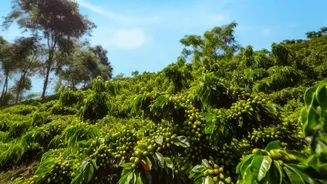
The arrival of specialty coffee culture does more than just offer a better brew; it creates a tangible economic ripple effect. These cafes become new community hubs, fostering social interaction and providing 'third spaces' for work and leisure. They generate local employment, creating skilled jobs for baristas, roasters, and managers. Moreover, the growing demand for high-quality, traceable coffee provides a direct boost to domestic coffee growers, particularly those in traditional regions like Karnataka and Kerala, as well as in newer, experimental growing areas. This farm-to-cup ecosystem strengthens local economies and positions India not just as a consumer of global coffee trends, but as a significant contributor to it.