


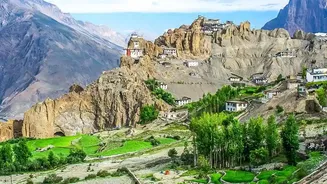

The Journey Begins: Tranquil Dirang
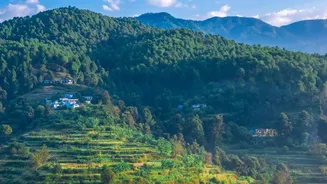
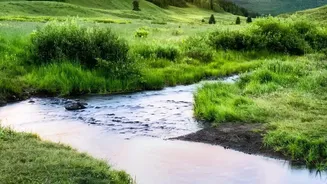
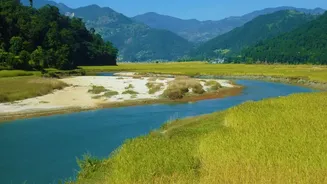
The adventure starts in Dirang, a peaceful town nestled in the West Kameng district. Situated on the banks of the Dirang River, this valley is a perfect acclimatisation point, surrounded by kiwi orchards, verdant paddy fields, and ancient monasteries.
Before ascending into the high Himalayas, travellers can visit the Thupsung Dhargye Ling Monastery for a moment of peace or explore the historic Dirang Dzong, a fortified settlement that speaks to the region's rich past. The town itself, less crowded than other tourist spots, allows for a gentle immersion into the culture and landscape of Arunachal, setting a serene tone for the dramatic journey ahead. Its lower altitude provides a comfortable start before tackling the more challenging elevations to come.
The Ascent to Sela Pass
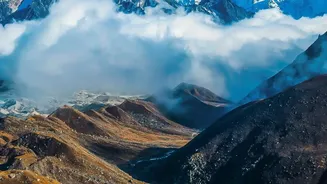
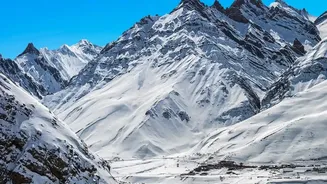
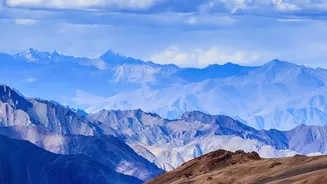
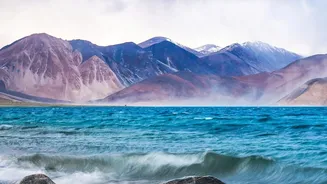
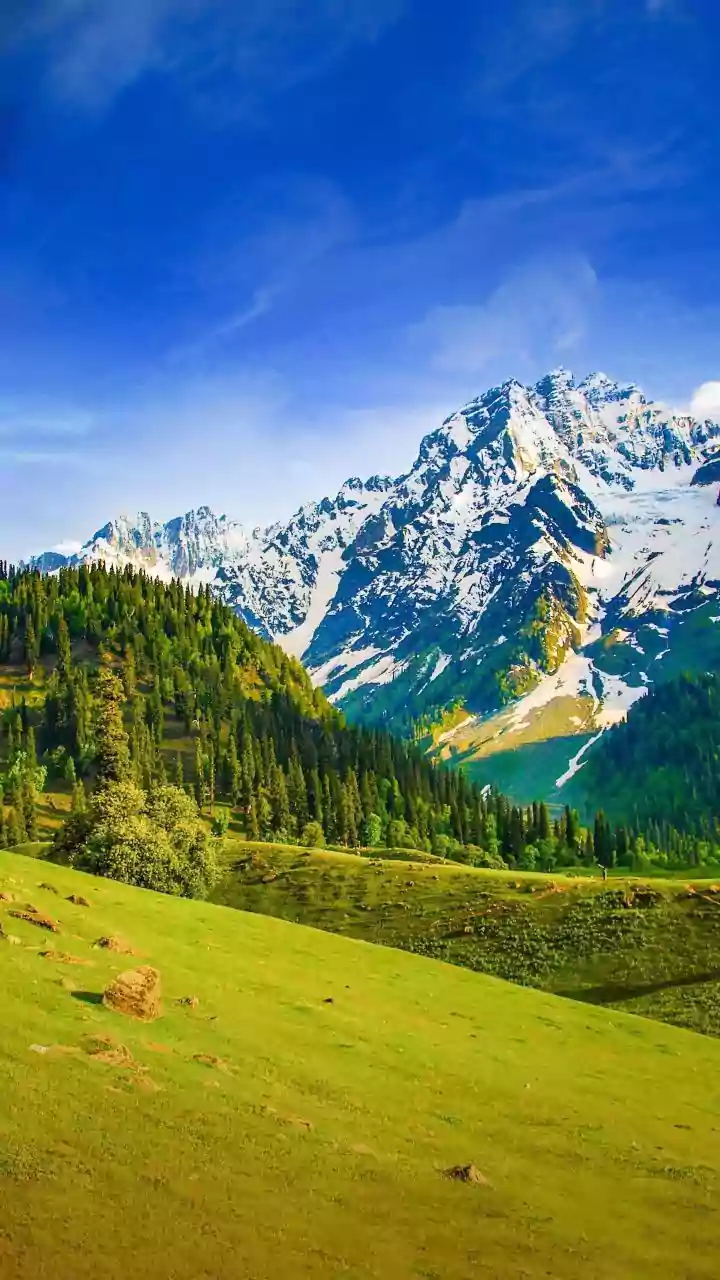
From Dirang, the road begins its steady, winding climb towards one of the route's main highlights: Sela Pass. Situated at a breathtaking altitude of over 13,700 feet, the pass is the primary connector between the West Kameng and Tawang districts. The landscape transforms dramatically during this ascent, with lush forests giving way to alpine terrain. The pass is famous for its stunning scenic beauty, including the sacred Sela Lake, a glacial lake so still it often mirrors the surrounding snow-capped peaks. In winter, the pass is frequently blanketed in snow, while warmer months reveal a carpet of colourful rhododendrons. The recently constructed Sela Tunnel has made this journey safer and faster, but the old road over the pass remains a favourite for those seeking classic Himalayan views.
Through Jung to a Biker's Paradise
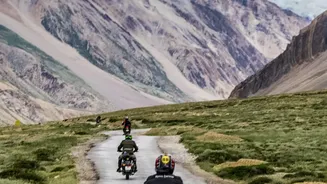
After crossing Sela Pass, the route descends towards the town of Jung, home to the magnificent Jung Waterfall, one of the largest in Arunachal Pradesh. This roaring cascade provides a powerful and refreshing stop before the final leg of the journey. From Jung, the road toward Mago becomes even more spectacular. Often described as a "biker's paradise," this stretch features smooth tarmac that runs alongside a fast-flowing river, flanked by dense pine forests and towering cliffs. The scenery is raw and unfiltered, offering a sense of true isolation and adventure. This section of the drive encapsulates what makes the journey so special: the feeling of discovering a path that remains largely untouched by mainstream tourism.
Mago: A Hidden Himalayan Gem
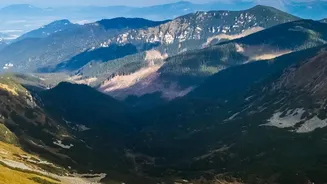
The final destination, Mago, is a remote border village that feels like a world apart. Situated at an elevation of over 11,500 feet, Mago is a working Monpa village where life revolves around agriculture and herding yaks. The main attraction here isn't a viewpoint or a monument, but the experience of the place itself—especially its natural hot springs. Located on the bank of the Goshu Chu river, these perennial springs offer a perfect opportunity to soak in geothermally heated water while surrounded by the stark beauty of the Himalayas. With no entry fees or formal facilities, it's a raw and authentic experience. Visiting Mago offers a rare glimpse into a traditional way of life that exists in harmony with its formidable environment, a corner of the Himalayas that tourism has yet to reshape.
Practicalities and Permits
Embarking on this journey requires some planning. The drive from Dirang to Mago can take seven to nine hours, depending on road and weather conditions. All Indian citizens entering Arunachal Pradesh must obtain an Inner Line Permit (ILP), which can be applied for online. Foreign nationals require a Protected Area Permit (PAP) and must travel in a group of at least two through a registered tour operator. It's also wise to carry sufficient cash, as ATMs become scarce beyond the larger towns. While the journey doesn't require any strenuous trekking to see its main sights, the high altitudes and remote nature of the route demand respect and preparation.