


A New Tool for Lunar Discovery
NASA and IBM have introduced the NASA-IBM Lunar Foundation Model, a specialized AI designed specifically for lunar science. Think of it as a highly intelligent mapmaker and data analyst rolled into one. For decades, NASA has gathered petabytes of data from
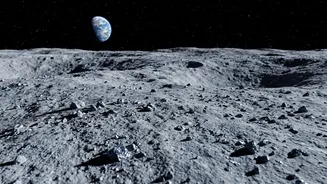
missions like the Lunar Reconnaissance Orbiter (LRO), creating a vast and complex picture of the Moon. Sifting through this mountain of information to find specific features or patterns has traditionally been a slow, manual process for scientists. This new AI, built on IBM's Watsonx technology, is designed to automate and accelerate that process, quickly analyzing huge datasets to find what humans might miss.
How an AI Explores the Moon
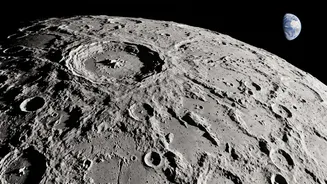
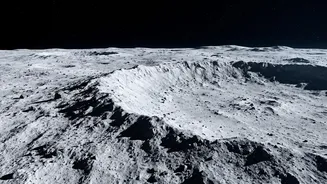
Unlike older AI models that are built for one specific task, this is a "foundation model." It was pre-trained on a massive, broad dataset of lunar observations, giving it a general understanding of the Moon's environment. From there, scientists can easily fine-tune it for specific jobs. The initial priorities for the AI are critical for NASA's Artemis program, which aims to establish a sustained human presence on the Moon. These tasks include rapidly mapping craters, identifying potential deposits of water ice in shadowy polar regions, and pinpointing unusual volcanic features that could rewrite our understanding of the Moon's geological history. The model has already proven to be more efficient and accurate than previous methods.
The Power of Open Source
One of the most significant aspects of this collaboration is the decision to make the AI model open-source. It is publicly available on Hugging Face, a popular platform for the machine learning community, with its full codebase on GitHub. This means that any scientist, researcher, or student around the world can access, use, and even help improve the model. This approach democratizes lunar science, moving it beyond the walls of a single agency. By open-sourcing the tool, NASA and IBM are inviting global collaboration, hoping to spur discoveries and applications they haven't even thought of yet. It turns data analysis from a solitary task into a community effort.
From the Moon to Planet Earth
The lunar model is part of a larger, ongoing partnership between NASA and IBM to apply AI to scientific data. It joins a family of models, including the Prithvi models, which were trained on Earth observation data. The same underlying technology that is now scanning the Moon for landing sites and resources is also being used to monitor changes on our own planet. These Earth-focused models help track deforestation, monitor the effects of natural disasters like floods and wildfires, and even predict crop yields. This dual-use capability highlights the power of foundation models: an investment in technology for space exploration can yield direct benefits for understanding and protecting Earth.