



The Pantry Staple Myth
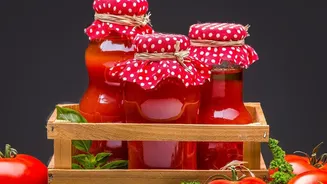
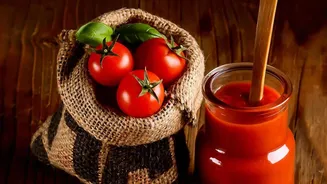
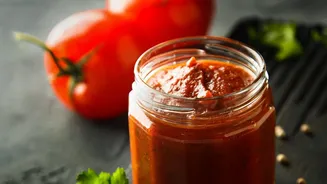
It’s tempting to line your pantry with beautiful jars of homemade sauce, but they are not the same as their commercial counterparts. Store-bought sauces have a long shelf life, often 18-24 months, because they are produced in highly controlled environments.
They benefit from industrial sterilization equipment, precise acidity levels, and often contain preservatives to inhibit bacterial growth. Your kitchen, no matter how clean, cannot replicate these conditions. Without these safeguards, your sauce is a perishable food that requires careful handling.
Understanding the Risks: More Than Just Mold
The most significant risk with improperly stored homemade sauce is Clostridium botulinum, the bacterium that causes botulism. This potent neurotoxin is odorless and tasteless, so you can't smell or see if a jar is contaminated. Tomatoes have a borderline pH, sometimes falling above the 4.6 level required to inhibit botulism spore germination. Factors like tomato variety, ripeness, or damage from frost can all affect acidity. If the acidity isn't low enough and the jar isn't processed correctly, these spores can activate and produce their deadly toxin. While botulism is rare, homemade canned goods are a common source of outbreaks.
The Acid Test: Your First Line of Defense
To make your sauce safe for water-bath canning, you must add acid. This is not optional. It applies to all types of tomatoes, including heirlooms, which are not reliably more acidic than hybrids. You can use bottled lemon juice (not fresh, as its acidity varies), citric acid, or vinegar with at least 5% acidity. This acid should be added directly to each sanitized jar before you fill it to ensure a consistent and safe pH level throughout the batch. Without this step, you are creating a high-risk environment for bacterial growth.
Safe Storage Option 1: The Refrigerator
For short-term storage, the refrigerator is your go-to. Once cooked, the sauce should be cooled and refrigerated within two hours. Store it in a clean, airtight container, such as a glass jar or BPA-free plastic tub. Most sources agree that homemade tomato sauce will last for about 3 to 5 days in the fridge. Sauces that contain meat or dairy will have a shorter shelf life, closer to three days. Always label the container with the date so you can keep track.
Safe Storage Option 2: The Freezer
Freezing is the best and safest method for long-term storage without the complexities of canning. Let the sauce cool completely before packing it into freezer-safe bags or containers. If using containers, leave some headspace for the sauce to expand. Freezing in portion sizes makes future meals much easier. Properly frozen, your sauce will maintain its best quality for about 4 to 6 months, though it will remain safe to eat indefinitely as long as it stays frozen at 0°F (-18°C).
How to Spot Spoilage
Your senses are a good first check for spoilage (though not for botulism). Discard any sauce that has developed an off-odor, strange flavor, or change in color. The appearance of mold, which can be green, white, or black, is a clear sign to throw it out immediately. If you have canned your sauce, check the seal before opening. The lid should be concave and not move when pressed. If a jar lid is bulging or leaks when opened, the contents have likely spoiled and should be discarded without tasting.