


What is an Evening Elongation?
In simple terms, greatest elongation is when Venus appears farthest from the Sun in our sky. Because Venus orbits the Sun inside of Earth's path, it never strays too far from the Sun's glare from our viewpoint. It's always seen either as a 'morning star'
in the east before sunrise or an 'evening star' in the west after sunset. The event on August 15, 2026, is a 'greatest eastern elongation', which means Venus will be at its peak angular distance from the Sun in the evening sky. This provides the best window to observe the planet, as it will be higher above the horizon and linger longer in the darkening sky after the Sun has completely set.
A Dazzling Mid-August Spectacle
This particular elongation on August 15 is a prime opportunity for skywatchers. Venus will shine at a brilliant magnitude of -4.4, making it the brightest object in the night sky aside from the Moon. Its brightness is so intense that you can often spot it even during twilight before the sky is fully dark. The event happens to fall in a packed month for astronomy, near the peak of the popular Perseid meteor shower, which occurs under ideal moonless conditions this year. While Venus is a common sight, this marks its best evening appearance of 2026, making it a can't-miss event for casual observers and seasoned astronomers alike.
How to See Venus From India
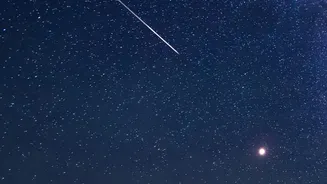
Viewing this celestial event is wonderfully simple and requires no special equipment. On the evening of August 15, 2026, and for several days surrounding it, simply look to the west shortly after sunset. As the colours of twilight fade, Venus will emerge as an unmistakably bright, silvery point of light. Unlike stars, it won't twinkle, but will instead shine with a steady, serene glow. For the best view, find a location with an unobstructed view of the western horizon, away from tall buildings or trees. While those in cities can easily see it, getting to a darker area away from city lights will make the experience even more spectacular, set against a backdrop of more stars.
Earth's 'Evil Twin' Planet
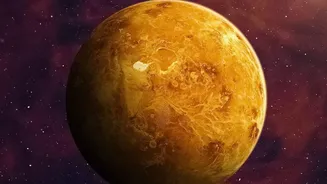
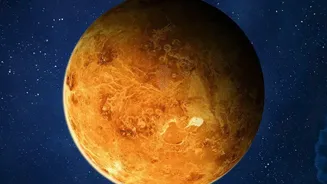
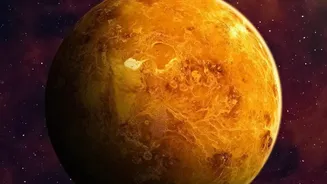
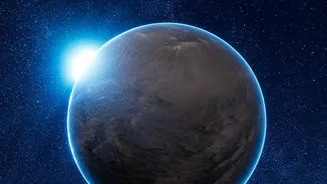
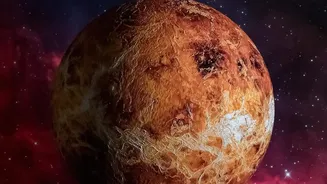
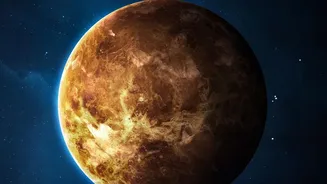
While it looks beautiful from afar, Venus is a fascinating and hostile world. Often called Earth's 'twin' due to its similar size and structure, its environment is anything but Earth-like. The planet is shrouded in thick, toxic clouds of sulfuric acid. Its dense atmosphere, composed mainly of carbon dioxide, has created a runaway greenhouse effect, making it the hottest planet in our solar system. Surface temperatures are hot enough to melt lead, and the atmospheric pressure is over 90 times that of Earth's at sea level. Venus also has a peculiar rotation; it spins backward very slowly, making its day longer than its year.
Tips for an Enhanced View
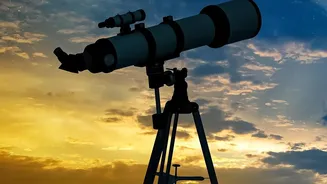
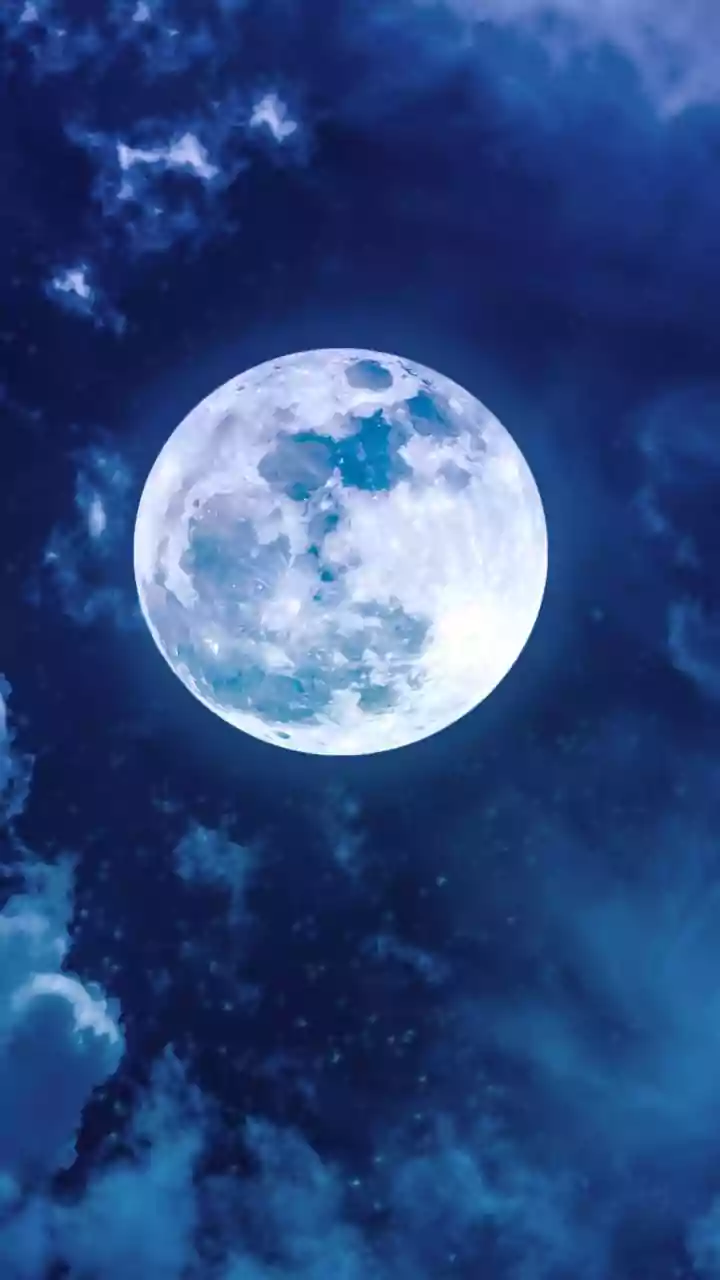
While your eyes are all you need, a pair of binoculars or a small telescope can reveal more detail. Around the time of its greatest elongation, Venus appears about half-illuminated, like a tiny quarter moon. This phase is visible through modest magnification. On August 16, the thin waxing crescent Moon will pass near Venus, creating a beautiful pairing in the sky. To make an evening of it, consider using a stargazing app on your phone to identify other celestial objects, like the star Spica, which will be in the same celestial neighbourhood. Take a moment away from your screens, step outside, and enjoy the show our solar system has to offer.