
Amritsar: The Golden City's Divine Kulcha
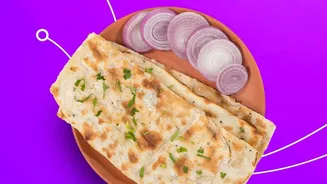
In the spiritual heart of Punjab, the Amritsari kulcha reigns supreme. This isn't just bread; it's a masterpiece. A leavened, flaky flatbread, traditionally stuffed with spiced potatoes and baked in a tandoor until golden and crisp, it embodies the city's
rich, hearty character. Served with a generous dollop of white butter, tangy chickpea curry (chole), and a side of sharp onion chutney, each bite is a crunchy, soft, and flavourful experience. Dotted with legendary eateries, some over a century old, Amritsar treats this dish as a sacred ritual, a perfect breakfast that fuels the city.
Hyderabad: The Royal Indulgence of Haleem
Come Ramadan, the city of Nizams transforms into a haven for food lovers, with Hyderabadi Haleem at its centre. This rich, slow-cooked stew has its origins in an Arabic dish called Harees. Introduced to the region by Arab diaspora, local chefs perfected it with a unique blend of spices, transforming it into the delicacy it is today. Made from pounded wheat, lentils, and meat (usually mutton), it's cooked for hours until it reaches a thick, paste-like consistency. Garnished with fried onions, fresh mint, and lemon juice, haleem is more than a dish—it's a nourishing, soulful experience that was even granted Geographical Indication (GI) status.
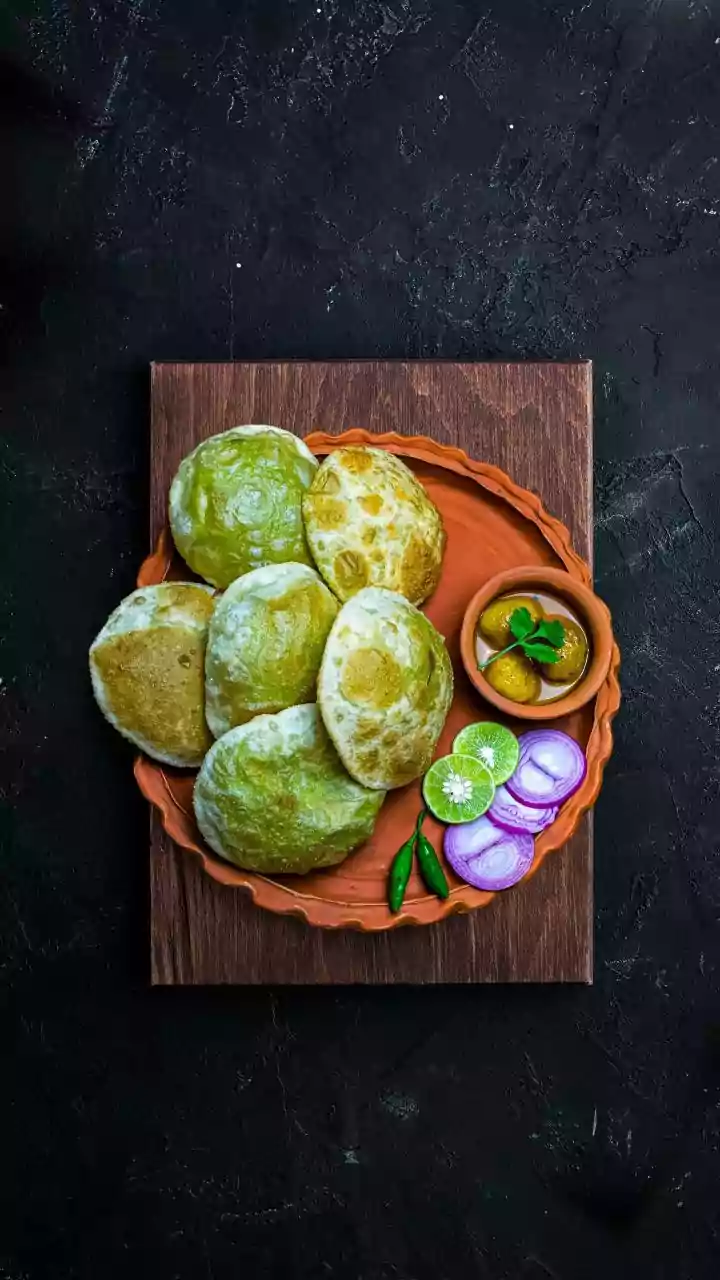
Delhi: A Plate of Hearty Chole Bhature
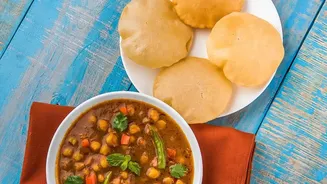
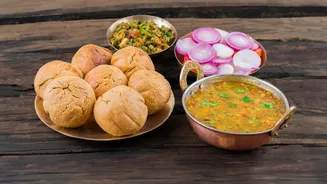
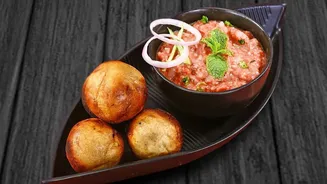
The capital city’s street food scene is a chaotic, beautiful symphony, and chole bhature is its star performer. A quintessential North Indian breakfast, this dish features spicy, tangy chickpea curry paired with large, fluffy, deep-fried bread called bhature. From the bustling lanes of Chandni Chowk to neighbourhood sweet shops, every vendor has their own secret spice mix for the chole, making each plate slightly different but equally satisfying. It’s a filling, indulgent meal that represents Delhi’s love for bold, robust flavours and is a Sunday morning ritual for countless families across the city.
Mumbai: The Humble and Mighty Vada Pav
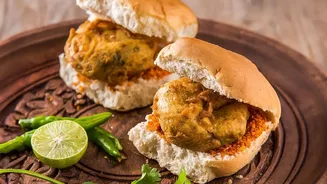
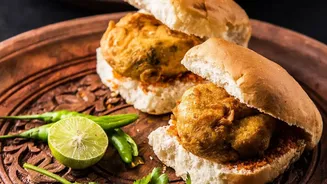
In the city that never sleeps, the vada pav is the ultimate fuel. Often called the 'Indian burger', it is a simple yet ingenious creation: a spiced potato fritter (batata vada) tucked inside a soft bread roll (pav). Born in the 1960s to feed the city's mill workers, it was an instant hit for being affordable, convenient, and delicious. Slathered with a combination of sweet, spicy, and garlicky chutneys, it is the great equaliser of Mumbai, enjoyed by everyone from students to business tycoons. More than just a snack, vada pav is an emotion and a symbol of the city's resilient, fast-paced spirit.
Kolkata: The Original Kathi Roll
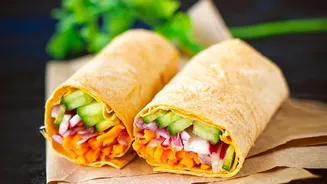
Long before wraps became a global phenomenon, Kolkata had the kathi roll. This iconic street food is said to have originated in the 1930s at Nizam's restaurant. The initial idea was practical: to serve hot, juicy kebabs without burning customers' hands by wrapping them in a paratha. The name 'kathi' refers to the bamboo skewers the kebabs were cooked on. Today, a classic kathi roll involves a flaky, egg-washed paratha wrapped around a filling of chicken, mutton, or paneer, topped with sliced onions and chutney. It's a portable, delicious meal that perfectly captures the inventive culinary spirit of the City of Joy.
Lucknow: The Melt-in-Your-Mouth Tunday Kebab
In the city of Nawabs, food is poetry, and the Tunday Kebab is its most famous verse. The legend dates back to a Nawab who, having lost his teeth, challenged his chefs to create a kebab that required no chewing. The winner was Haji Murad Ali, a chef with only one arm, which earned him the nickname 'Tunday'. His creation, the Galouti kebab, was made with finely minced meat and a secret blend of over 160 spices, resulting in a patty so soft it melts in the mouth. Served with sheermaal or rumali roti, this kebab is a taste of royal Awadhi history and a testament to Lucknow's refined culinary heritage.