





The Scale of the Ambition
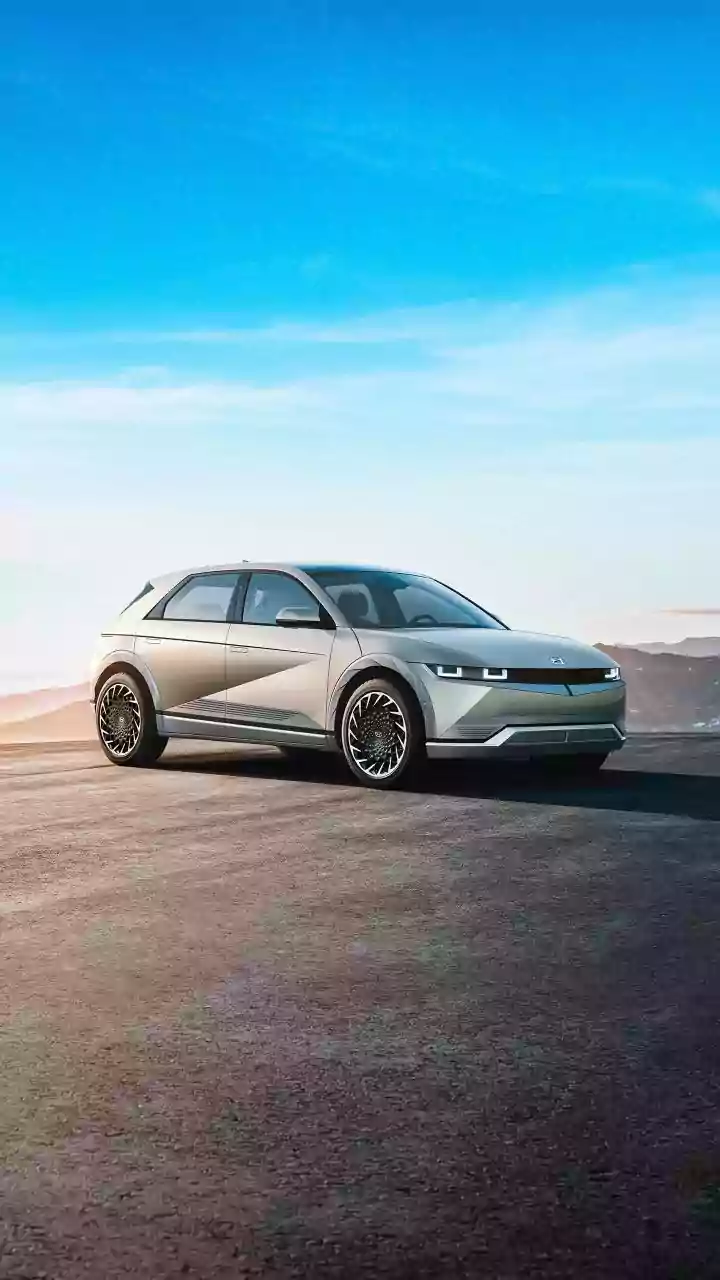
The government's target, articulated by NITI Aayog, aims for 30% of private cars, 70% of commercial vehicles, and 80% of two and three-wheelers sold by 2030 to be electric. Achieving this means a projected 10 million EV sales annually by the decade's
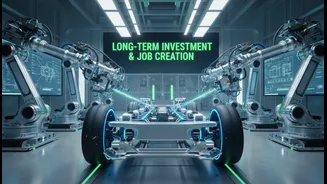
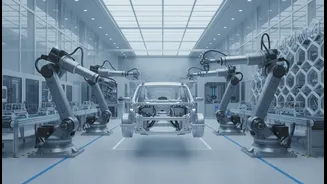
end, a monumental leap from the 2.08 million sold in 2024. This transition is driven by a desire to reduce oil import dependency, curb pollution, and establish India as a global manufacturing leader. However, making this vision a reality goes far beyond the showroom; it requires a deep and complex transformation within the very factories that build the vehicles.
From Engine Blocks to Battery Packs
At its core, an electric vehicle is fundamentally different from its internal combustion engine (ICE) counterpart. An ICE vehicle is a marvel of mechanical engineering, with hundreds of moving parts in its engine and transmission systems. An EV is simpler mechanically but far more complex electronically. The powertrain is replaced by a battery pack, an electric motor, and sophisticated power electronics. This shift means that product planning is no longer about refining pistons and exhaust systems. Instead, it’s about battery chemistry, thermal management, software integration, and vehicle control systems. Automakers are being forced to think like technology companies, where a vehicle's performance and features are increasingly defined by software and electronics.
A Supply Chain in Transition
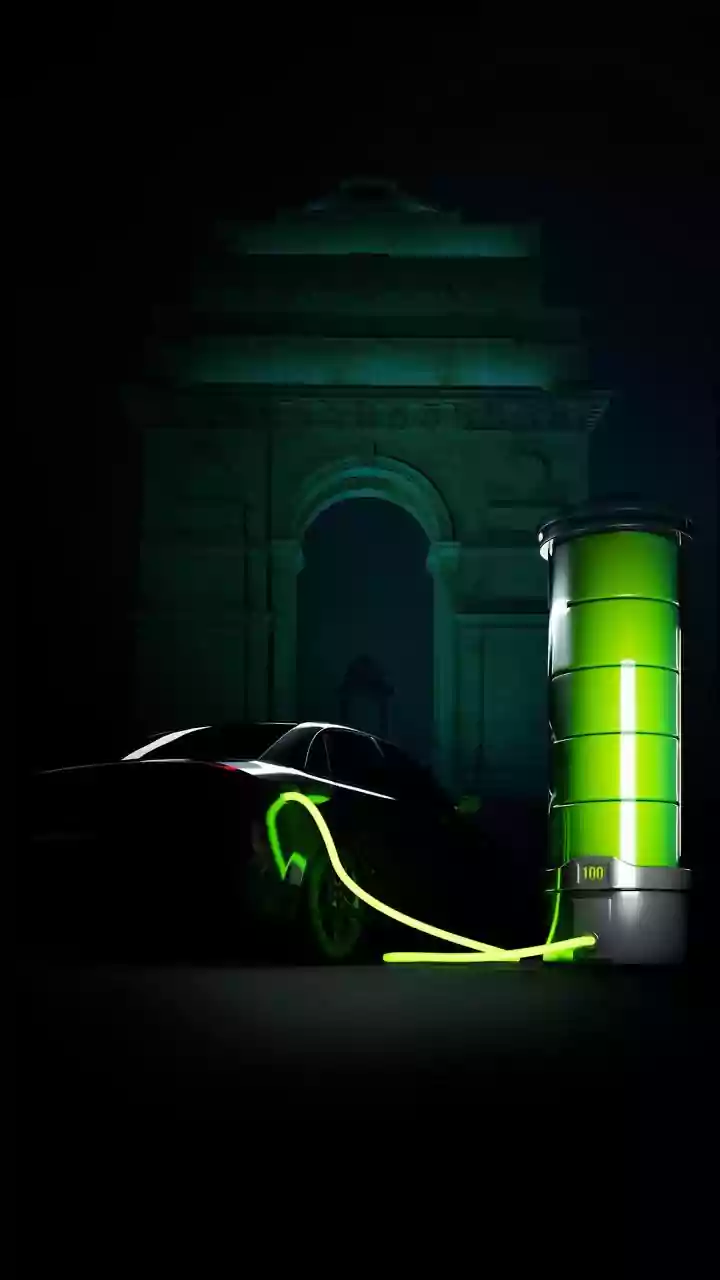
This product reinvention triggers a massive upheaval in the supply chain. For decades, Indian auto component manufacturers perfected the art of building engines, transmissions, and fuel systems. The EV transition renders many of these components obsolete. The demand is shifting dramatically towards battery cells, battery management systems (BMS), electric motors, and the semiconductor-based controllers that run them. Currently, India faces a significant gap in the domestic production of these critical EV components, leading to a reliance on imports, particularly from China. Government initiatives like the Production Linked Incentive (PLI) scheme for Advanced Chemistry Cell (ACC) batteries aim to bolster local manufacturing and build a self-reliant ecosystem, but the challenge is immense. Factories must retool, and new suppliers with entirely new capabilities must emerge.
The New Skill Imperative
Perhaps the most profound change is happening to the workforce. The skills that defined automotive careers for generations are being supplanted by new requirements. The industry is facing a significant shortage of talent with expertise in power electronics, battery technology, embedded software, and data analytics. The Society of Indian Automobile Manufacturers (SIAM) estimates a need for up to 200,000 EV-skilled professionals by 2030. The new factory floor will require technicians who can handle high-voltage systems, engineers who can design and test battery packs, and software developers who can write the code that manages the vehicle's functions. These are not roles that traditional mechanical engineering or ITI courses have historically prepared people for.
The Reskilling and Upskilling Challenge
The rise of new job roles creates a parallel challenge: what to do with the existing workforce? A significant portion of the current automotive labour force has skills tied directly to ICE technology. To avoid widespread job displacement, a massive effort in reskilling and upskilling is necessary. This involves collaboration between government, industry, and educational institutions to overhaul training programs. Companies are finding it difficult to fill roles not because of a lack of people, but a lack of job-ready talent. The transition requires a move from thinking about isolated jobs to developing an entire ecosystem of skills that can support EV design, manufacturing, servicing, and even battery recycling. Ensuring a 'just transition' for workers is critical for the long-term social and economic success of India's EV ambitions.