







A Conservation Success Story
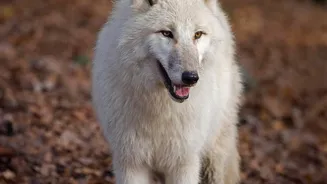
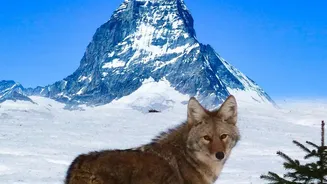
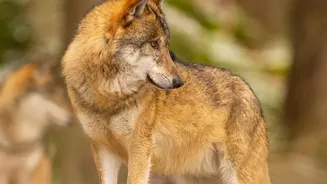
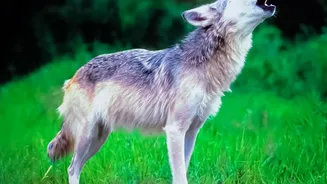
Across the continent, from Italy to Romania and Spain to Germany, wolf populations are rebounding in one of modern conservation's most dramatic success stories. Recent studies show a significant increase in wolf numbers over the last decade, with estimates
suggesting more than 21,500 wolves now roam Europe. Countries that had no wolf packs for generations are now home to thriving populations. This resurgence is the result of dedicated legal protection, habitat restoration, and changing public attitudes that have allowed the iconic predator to reclaim parts of its ancestral territory. While this recovery has sparked debate in rural communities, it has also created an unexpected and exciting opportunity for a different kind of tourism.
The Rise of Wolf-Tracking Tourism
In step with the wolf's return, a niche but passionate travel market has emerged. Small outfitters and eco-tourism companies are now offering expert-led expeditions focused on finding these elusive animals. These are not zoo visits or guaranteed sightings. Instead, they are immersive wilderness experiences built around the possibility of an encounter. Trips often involve hiking through rugged national parks, learning to identify tracks and other signs from seasoned ecologists and local guides, and spending hours scanning landscapes with binoculars. The appeal lies in the thrill of the chase and the deeper connection to a truly wild environment. For many, just knowing the wolves are present, hearing their howls echo through a valley at dusk, is a profound experience in itself.
Europe’s Wolf-Watching Hotspots
Several regions have become focal points for this growing trend. In Italy, the Abruzzo, Lazio and Molise National Park offers programmes centred on the Apennine wolf. Spain's Riaño Mountains and the wider Cantabrian range have become a prime destination for observing the Iberian wolf, with a high density of the animals. The Carpathian Mountains in Romania provide a vast, forested landscape where wolves coexist with bears and lynx, offering a different kind of wild experience. Even countries like France and Finland are seeing tour operators guide visitors into remote areas for a chance to see or hear the predators. Each destination offers a unique ecosystem and a different approach, from staying in remote mountain refuges to using strategically placed observation hides.
Led by Experts, Driven by Conservation
A key element of this new wave of tourism is the emphasis on expertise and ethics. The guides are often conservationists, biologists, or lifelong local trackers who possess an intimate knowledge of the ecosystem. Their focus is not just on finding wolves but on educating travellers about their behaviour, their role as a keystone species, and the challenges of human-wildlife coexistence. Many of these tour operators work directly with conservation projects, with a portion of the trip's cost often going back into local wolf protection initiatives. This model ensures that tourism provides a tangible economic benefit to local communities, creating an incentive to protect the very animals that draw visitors to the region.