


A Different Kind of Electric Dream
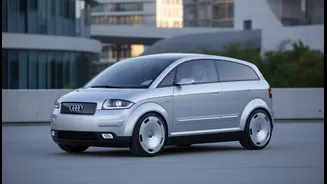
When Audi unveiled the A2 e-tron concept at the 2011 Frankfurt Motor Show, the electric vehicle landscape was just beginning to take shape. The conversation was dominated by range anxiety and the novelty of silent acceleration. Yet, Audi presented a different
vision. Instead of a high-performance halo car, it showed a compact, intelligent vehicle designed not for the race track, but for the dense, complicated reality of city life. Its brief was clear: create a premium electric car focused squarely on everyday usability. This was not a car defined by 0-to-100 km/h times but by clever packaging, efficiency, and a thoughtful approach to the daily commute.
Engineered for the Urban Maze
The A2 e-tron was a showcase of 'less is more' engineering. Inspired by the original, forward-thinking Audi A2 from 1999, the concept featured a lightweight multi-material body to maximize efficiency. Its physical footprint was deliberately compact, making it perfect for navigating narrow European streets and tight parking spaces. The interior, however, felt spacious thanks to a 'sandwich' floor construction that housed the battery pack low and flat. The powertrain was modest by today's standards, with a 114-horsepower electric motor and a range of about 200 kilometres, but it was perfectly adequate for its intended purpose of daily urban travel. Every element was chosen to serve the mission of practical mobility, from its easy charging to its agile handling.
The High Cost of Being Sensible
Despite its practical brilliance, the A2 e-tron's greatest strengths were also its undoing. The advanced materials and innovative construction required to achieve its lightweight and efficient design were expensive. By 2012, reports emerged that Audi was cancelling production plans, citing concerns that the car's projected price tag of around €40,000 would be too high for the market to bear. At the time, the EV market was still immature, and consumers were not yet willing to pay a premium for a compact electric city car, regardless of its clever engineering. Faced with low sales projections and an uncertain economic climate in Europe, Audi ultimately decided the project was not commercially viable.
A Concept Ahead of Its Time
The story of the A2 e-tron is a classic case of a product being ahead of its time. Audi’s focus on efficiency, lightweight design, and urban usability in 2011 predicted the very challenges and desires that are shaping the EV market today. More than a decade later, automakers are grappling with how to make smaller, more affordable, and more sustainable electric vehicles for the masses. The A2 e-tron concept served as a blueprint for this exact kind of car, intended as a direct competitor to what would become the BMW i3. While one Audi executive suggested the car was only ever a testbed, its detailed design and clear purpose told a different story. The lessons learned from its development were not lost, even if the car itself never reached showrooms.
The A2 Name Returns
Interestingly, the spirit of the A2 e-tron is being resurrected. In 2026, Audi has confirmed it will launch a new, entry-level electric model bearing the A2 e-tron name. This new vehicle is again being pitched with a focus on urban usability, efficiency, and providing an accessible entry into premium electric mobility. While it will be built on the Volkswagen Group's modern MEB platform, its mission echoes that of the 2011 concept: to be a car that impresses in everyday life. This revival suggests that the original brief—prioritizing daily mobility over sheer performance—is more relevant today than ever before.