








A Rebellion Against the Scroll
For years, the narrative surrounding Gen Z has been consistent: they are a generation defined by the small screen, perpetually online and fluent in the language of likes, shares, and fleeting digital trends. Yet, a counter-movement is quietly taking hold
in an unlikely place: the cinema. Recent studies and box office trends show that young people are the most active moviegoing demographic. This isn't just about catching the latest blockbuster; it's a conscious choice to step away from the digital noise. The cinema is becoming a modern sanctuary, one of the few places where putting your phone away for two hours is a shared social contract. This act of collectively disconnecting is turning into a powerful draw for a generation feeling the strain of constant connectivity.
The Search for a Digital Detox
The trend reflects a broader fatigue with the pressures of online life. Studies show that a significant percentage of Gen Z feels addicted to social media and is actively seeking ways to limit screen time. Terms like "digital detox" are soaring in search engines as young people look for escapes from digital burnout. Unlike the endless, often isolating scroll of social media feeds, the cinema offers a finite, focused, and communal experience. It’s an intentional act of logging off. In a world where every moment can feel performative, the darkness of a theatre provides a rare space of anonymity where the only expectation is to watch a story unfold with others. This desire for uninterrupted immersion is a key driver, offering a respite that streaming at home, with its constant potential for phone-based distractions, simply cannot match.
More Than a Movie, It's an Event
The headline's claim that moviegoing is a "hangout beyond the film itself" points to the evolution of the cinema from a content venue to a social destination. For Gen Z, the experience starts long before the opening credits and extends well after. It’s about the pre-movie gathering in the lobby, the shared snacks, and the post-movie debrief where they can dissect plots and characters. This social aspect is crucial for a demographic that has been called the "loneliest generation," craving genuine, in-person interaction. The film itself becomes a cultural touchstone, a shared event that fuels conversations on platforms like Letterboxd, TikTok, and Instagram, creating a social loop that begins offline and continues online. The movie is the centerpiece of a larger social ritual.
How Theatres Are Leaning In
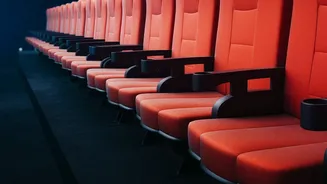
Cinema chains are taking note of this behavioural shift. While some of the change is organic, multiplexes are increasingly designing spaces that encourage socialising. Enhanced lobbies with better seating, diverse food and beverage options, and even designated play areas for younger audiences in some locations are becoming more common. The emphasis is on creating an 'experience' that a streaming service can't replicate. It's about offering an atmosphere, a sense of community, and an escape. Some cinemas are even experimenting with screening popular television series, turning solitary streaming habits into communal viewing events, further cementing the theatre's role as a versatile social hub.
The Future of the Big Screen
The resurgence of cinema-going among the youth offers a hopeful glimpse into the future of theatres. It suggests that to compete with the convenience of streaming, cinemas must sell something more than just a film—they must sell an experience. For Gen Z, that experience is proving to be a potent combination of blockbuster entertainment and a much-needed break from their digital lives. It’s a chance to be part of a collective moment, whether it's laughing, gasping, or crying in unison with a room full of people. This trend demonstrates that even in our hyper-individualised world, the fundamental human desire for shared stories and communal experiences remains as powerful as ever. The oldest pleasure of sitting in a dark room with strangers to watch a story together has found a new and eager audience.