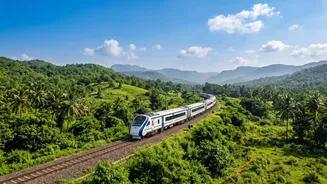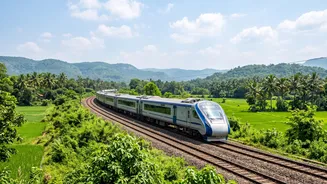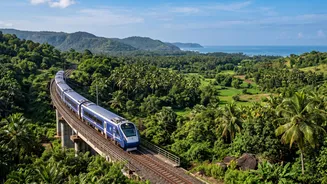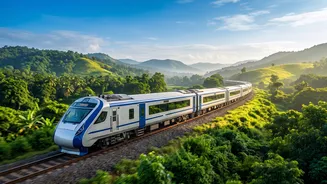




Introducing the CSMT-Sawantwadi Express
On September 3, 2026, the much-anticipated daily express train between Chhatrapati Shivaji Maharaj Terminus (CSMT) in Mumbai and Sawantwadi Road was launched, fulfilling a long-pending demand from residents and travellers. The service, flagged off by
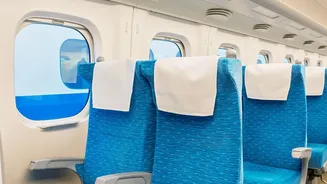
railway officials, aims to provide a direct, overnight connection covering the 510-kilometre distance between India's financial capital and the heart of South Konkan. The train features a mix of air-conditioned (first, second, and third-tier), sleeper, and general second-class coaches, catering to a wide range of passengers. Its extensive route includes key stops such as Panvel, Roha, Chiplun, Ratnagiri, Kankavli, and Kudal, ensuring comprehensive connectivity across the districts of Raigad, Ratnagiri, and Sindhudurg.
A Lifeline for Commuters and Families
For the thousands of people from the Konkan region who work or study in Mumbai, this new train is a significant development. It provides a reliable and affordable option for travelling to their native places, especially during major festivals like Ganesh Chaturthi when demand for travel skyrockets. Officials noted that the service will help ease the immense pressure on existing trains and buses, which are often overbooked during peak seasons. Beyond festive travel, it strengthens family ties by making it easier for migrant workers and students to visit home more frequently, improving their access to family support and making life in the bustling metropolis a little less distant from their roots. The convenient overnight schedule allows passengers to travel without losing a workday, arriving in Mumbai early in the morning and reaching Konkan in the afternoon.
Unlocking Konkan's Tourism Potential
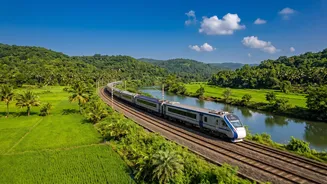
The Konkan coast, with its pristine beaches, historic forts, lush greenery, and rich cultural heritage, has long been a jewel of Maharashtra. However, accessibility has often been a challenge. This new daily service is expected to be a game-changer for regional tourism. By providing a direct link from Mumbai, the train makes popular destinations like Tarkarli, Amboli, and the Goa-border tourism circuit much more accessible. This enhanced connectivity is anticipated to create a ripple effect, boosting local economies by supporting hotels, transport operators, and other tourism-related businesses. For tourists, it means a more comfortable and convenient way to explore the region's natural beauty, potentially transforming weekend getaways and longer holidays.
More Than Just a Train: An Engine for Economic Growth
Improved transportation infrastructure is a well-known catalyst for economic development, and this new train is no exception. It promises to strengthen economic linkages between Mumbai and the smaller towns and villages of the Konkan. The service will benefit traders and small businesses by facilitating the smoother movement of goods and people, reducing logistical hurdles and costs. The Konkan Railway has historically played a crucial role in the region's development by connecting its agricultural and fishing industries to larger markets. This new daily service builds on that legacy, promising to further integrate the regional economy with Mumbai's commercial hub and support local economic activity beyond just tourism.
The Bigger Picture of Regional Connectivity
The CSMT-Sawantwadi Express is not an isolated project but part of a broader push to enhance infrastructure across Maharashtra. Railway Minister Ashwini Vaishnaw highlighted that projects worth around Rs 18,000 crore are currently underway to augment Mumbai's suburban network alone. Furthermore, the recent electrification of the entire 741-km Konkan Railway route has already made travel greener and faster. This new train complements these efforts, representing another milestone in the ongoing development journey of the Konkan region. As connectivity improves, it not only reduces travel time but also brings opportunities for education, healthcare, and employment closer to the people of Konkan, truly bridging the distance between the coast and the capital.