





A Difficult Winter for Farmers
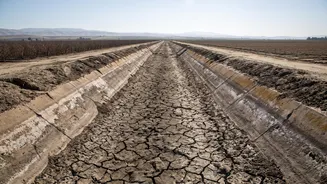
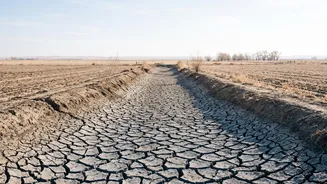
Pakistan's water regulator, the Indus River System Authority (IRSA), has projected a 22% shortage of irrigation water for the country's two main agricultural provinces, Punjab and Sindh, during the Rabi season. This season, running from October to March,
is critical for the country's food supply. Farmers are now preparing to plant major crops like wheat, barley, mustard, gram, potatoes, and onions, all of which will be affected by the reduced water availability. The announcement has sparked concerns over a potential shortfall of wheat, the season's primary crop and a staple food for millions. This situation forces farmers into a difficult choice: rely on expensive and often over-exploited groundwater, or brace for lower crop yields.
The Numbers Behind the Shortage
The 22% shortfall is not an abstract figure. IRSA's advisory committee has allocated a total of 29.18 million acre-feet (MAF) of water to be shared among the provinces for the season. Punjab is slated to receive 15.56 MAF and Sindh 11.74 MAF. The brunt of the shortage will be borne by these two provinces, as Balochistan and Khyber Pakhtunkhwa are exempted from the cuts under the distribution formula. The root cause of this deficit is twofold: lower-than-average river inflows during the preceding Kharif season and depleted water levels in the country's major reservoirs, Tarbela and Mangla. As of the end of September, reservoir storage was 9.34 MAF, significantly lower than the 13.21 MAF available at the same time last year and below the ten-year average.
Man-Made Factors at Play
While lower inflows from rivers are a major factor, IRSA has also pointed to man-made issues exacerbating the crisis. The regulator has expressed serious concern over 'infinite delays' in the completion of key infrastructure projects by the Water and Power Development Authority (WAPDA). Specifically, ongoing construction and delays in the Tunnel-4 Low-Level Outlet and Tunnel-5 Hydropower Project at Tarbela Dam have been cited. These delays prevented the storage of over three million acre-feet of water during the filling period, directly contributing to the current shortage. Some reports also highlight what are described as 'avoidable water releases' from reservoirs during the previous Kharif season as a contributing factor.
Threats to Food Security
The timing of this water shortage is particularly worrying as it comes on the heels of a weaker-than-expected wheat harvest last year. Despite having no water shortage in the previous Rabi season, Pakistan's wheat production of 27.5 million tonnes fell short of its domestic consumption needs of 31.9 million tonnes. This deficit forced the government to import one million tonnes of wheat to stabilise supply. With a 22% water shortage this year, there are strong fears that the upcoming wheat crop could underperform again, potentially leading to further reliance on costly imports and an increase in food prices. The price of flour has already surged, with reports from September indicating a year-on-year increase of over 30%.