






A Symphony of Flavours and Diversity
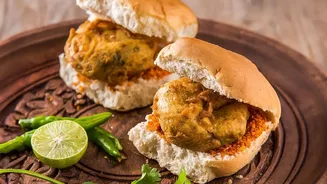
The single greatest reason for street food's enduring love affair with the nation is its incredible diversity. Every region, city, and even neighbourhood boasts its own unique specialities, reflecting local history, climate, and culture. Think of Mumbai's
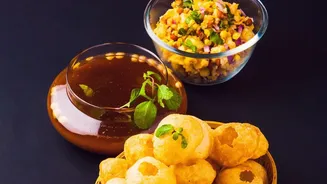
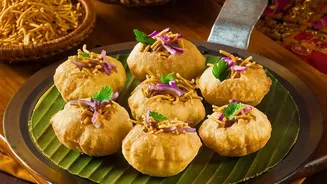
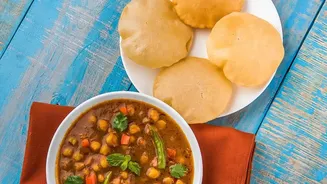
iconic vada pav, a humble yet satisfying potato fritter sandwich that fuels the bustling city. Travel north, and Delhi's streets will tempt you with an array of chaats—tangy, spicy, sweet, and crunchy concoctions that are a flavour explosion in every bite. Down south, you'll find vendors serving crisp dosas and fluffy idlis, perfect for a quick breakfast or snack. Meanwhile, Kolkata in the east offers its famous kathi rolls and phuchka, each with a story to tell. This regional variety ensures that the experience is never monotonous; there is always a new taste to discover.
The Great Equaliser: Affordable for All
In a country with vast economic diversity, street food acts as a great unifier. Its affordability is a key factor in its widespread popularity. Students, office workers, labourers, and executives can all be seen enjoying the same roadside treat, making it a truly democratic dining experience. For millions, it's not just a snack but a primary source of daily meals that is both pocket-friendly and satisfying. This accessibility ensures that no matter one's background, the joy of a freshly prepared, flavourful meal is always within reach, fostering a sense of shared community on the streets of India.
More Than a Meal: A Cultural Hub
Eating street food in India is rarely a solitary act; it is a social event. The stalls and carts are not just food dispensaries but vibrant community hubs where people gather, chat, and connect. They are spaces where conversations flow as easily as the chai, bridging gaps between strangers and strengthening bonds between friends and colleagues. Many vendors are local legends, their recipes passed down through generations, making each dish a taste of history and tradition. This cultural aspect, where food is deeply intertwined with social life and heritage, adds a layer of richness that restaurants often cannot replicate.
Innovation Meets Tradition
While rooted in tradition, Indian street food is far from static. Vendors are constantly innovating to cater to evolving tastes and trends. This has led to a wave of creative fusion dishes, such as tandoori momos, cheese burst dosas, and even butter chicken pizzas appearing at stalls. Furthermore, with growing awareness around health and cleanliness, many vendors and local authorities are making concerted efforts to improve hygiene standards. Initiatives like 'Healthy and Hygienic Food Streets' are being rolled out in various cities. The advent of technology has also played a role, with food delivery apps like Zomato and Swiggy bringing street food favourites directly to people's homes, expanding the reach of small vendors like never before.
The Engine of Local Economies
Beyond its cultural and culinary significance, the street food sector is a vital part of India's informal economy. It provides a livelihood for millions of people, often supporting entire families. These micro-entrepreneurs are not just cooks but innovators and business owners who contribute significantly to the economic vitality of their cities. By sourcing ingredients locally, they also support a wider network of farmers and suppliers, creating crucial backward linkages in the economy. This role as a source of self-employment and economic resilience underscores its importance in the national fabric.