







An Unpredictable Monsoon
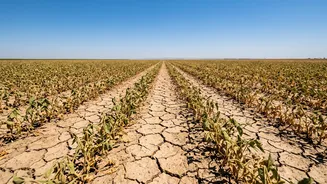
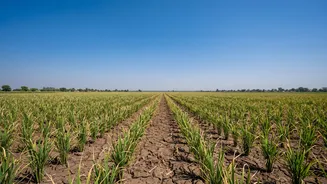
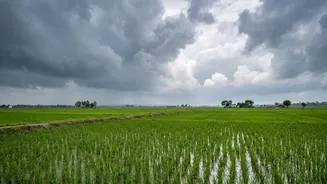
A primary driver of the current price surge is the erratic performance of the 2026 monsoon. After a period of prolonged heatwaves, the crucial June-September rainy season has been marked by uneven distribution and an overall deficit in rainfall. Key agricultural
states have not received adequate rain, leading to concerns about the Kharif crop output. This shortfall in precipitation affects soil moisture, directly threatening the yields of essential staples like rice, pulses, and soybeans, and putting upward pressure on their prices even before they reach the market.
The Usual Suspects: Onions and Tomatoes
Once again, onions and tomatoes are leading the price surge. Onion prices have seen a dramatic year-on-year increase, in some cases nearly doubling in just a matter of weeks. According to ministry data from late August, the all-India average retail price of onions saw a significant 59% year-on-year jump. This volatility is largely due to supply disruptions caused by adverse weather damaging crops and creating tightness in availability. Similarly, prices of tomatoes and other green vegetables like cauliflower and okra have also spiked, with reports of prices rising by 50% to 100% in just ten days in some markets.
Staples Beyond Vegetables
The inflation is not confined to fresh produce. The cost of sugar has risen sharply, by as much as 30% in a single month between July and August. Prices for pulses like Arhar dal, a protein staple in many Indian homes, have also climbed significantly. The finance ministry's August 2026 economic report noted a shift in food inflation drivers, with protein-rich items and processed foods becoming key contributors. Furthermore, milk prices have been increased multiple times over the past year, with producers citing higher operational and production costs, including cattle feed.
Supply Chain and Global Factors
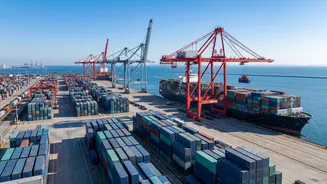
Domestic factors are being compounded by external pressures. Higher transportation costs, linked to fuel prices, make it more expensive to move produce from farms to markets, and this cost is ultimately passed on to the consumer. There are also allegations of a widening gap between wholesale and retail prices, suggesting that intermediaries may be increasing their margins during periods of tight supply. On the global front, geopolitical events like the conflict in West Asia have been cited as a factor escalating commodity prices and disrupting supply chains. Additionally, rising global vegetable oil prices have an impact, as India relies on imports for palm, soybean, and sunflower oils.