







A 'Colourful Revolution' at 10,600 Feet
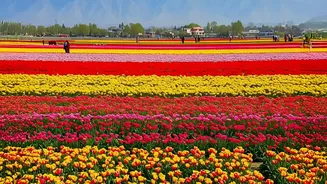
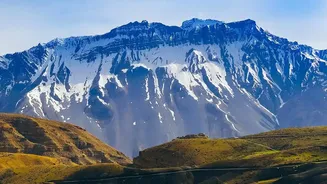
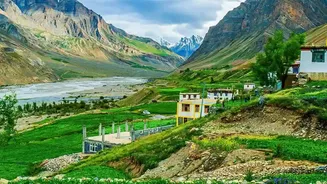
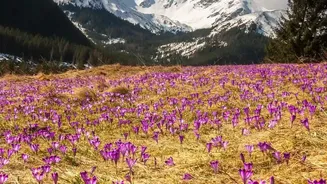
Across 40 acres near Leh, at Choglamsar and Stakna, the world's highest-altitude twin flower fields have burst into life. This isn't a secret wildflower meadow, but a massive, planned agricultural initiative. In 2026, the Ladakh administration, with scientific
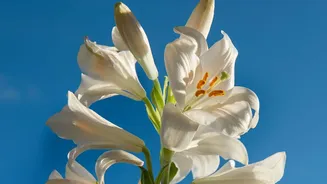
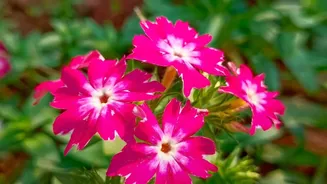
support from the CSIR-Institute of Himalayan Bioresource Technology, planted over 2.5 million high-value flower bulbs, primarily Lilium with some Gladiolus. The result is a spectacular, man-made bloom against the iconic barren mountains, creating a visual contrast that is as dramatic as it is beautiful. Inaugurated in September 2026, these fields are being hailed as a 'colourful revolution' for the region.
More Than Just a Pretty View
While visually stunning, the primary purpose of these fields is economic transformation. The project aims to create a new, sustainable source of income for Ladakh's farming community by tapping into the lucrative national and international markets for cut flowers. Premium Lilium stems can fetch high prices in major cities like Delhi and Mumbai. The initiative represents a strategic diversification of the local agricultural economy, moving towards high-value crops suited to the unique climate. The project has already begun to provide employment, particularly for local women involved in cultivation and packaging, offering them a new avenue for financial independence.
From Bulb to Bloom in Record Time
Remarkably, the Choglamsar field was developed in just two months. The foundation was laid in late June 2026, planting began in mid-July, and the first flowers were blooming by early September. This rapid success is partly due to the choice of flower. Lilium bulbs perform exceptionally well in cold climates, making them naturally suited to Ladakh's high-altitude environment. In a major milestone, the first commercial air consignment of 15,000 Lilium stems was dispatched to national markets on September 29, 2026, marking Ladakh's official entry into the commercial floriculture business.
The Wild Lily: A Different Story
It's important to distinguish these cultivated fields from Ladakh's native wildflowers. The Himalayas are home to the White Himalayan Lily, or Lilium polyphyllum, a rare and beautiful species found in high-altitude meadows. This wild lily, which blooms in June and July, is a part of the region's natural bio-heritage and is considered endangered due to its rarity and habitat sensitivity. While the new commercial fields introduce a spectacular floral display, the wild lily remains a symbol of the delicate, natural beauty that thrives in hidden pockets of the vast landscape, a treasure for botanists and trekkers to spot.
Balancing Blooms with a Fragile Ecosystem
The Lilium project arrives at a time when Ladakh is grappling with the pressures of development and tourism on its fragile ecosystem. Water scarcity, waste management, and habitat degradation are significant concerns in this cold desert environment. Proponents see this floriculture initiative as a form of sustainable development, creating local livelihoods that are tied to the land. The plan is already expanding, with the administration aiming to bring 200 acres across Ladakh under flower cultivation. The challenge ahead will be to manage this growth responsibly, ensuring that new economic opportunities do not place further strain on the very environment that makes the region so unique.