
Beyond the Comfort of Chai
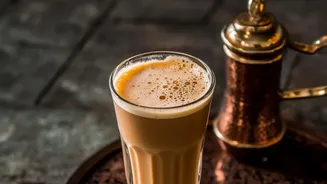
Chai is more than a drink in India; it’s an institution, a social ritual, and a comforting constant. For decades, the primary alternative was coffee, which carved out its own significant space, evolving from South Indian filter 'kaapi' to a nationwide
cafe culture. This established a blueprint: Indian drinkers were open to new experiences. That openness has now paved the way for a much wider array of beverages, moving far beyond the traditional black tea and instant coffee that once defined the landscape. The question is no longer just 'chai or coffee?', but a choice from a menu that spans continents.
The New Wave: Matcha, Boba, and Kombucha
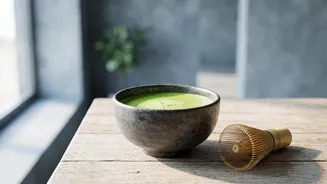
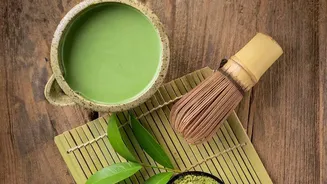
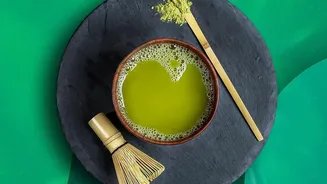
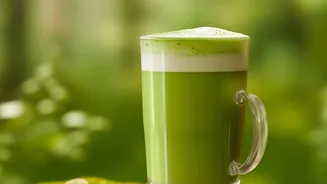
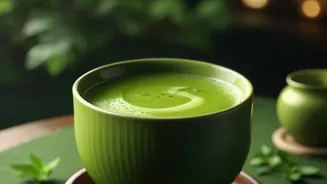
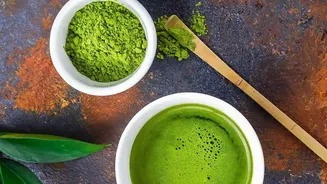
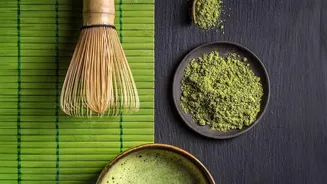
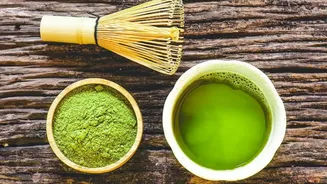
Walk into a trendy cafe in Mumbai, Bengaluru, or Delhi today, and you'll find drinks that were virtually unknown a decade ago. The most prominent among these is matcha, a Japanese powdered green tea known for its vibrant colour and earthy flavour. Served as lattes, in coolers, or even desserts, it has become a visual and cultural icon. Another major player is boba, or bubble tea, a Taiwanese import featuring chewy tapioca pearls in a sweet tea or milk base, which has seen explosive growth among younger consumers. Alongside them are functional beverages like kombucha, a fermented tea celebrated for its probiotic content, catering to a growing demand for drinks that do more than just quench thirst.
Drivers of the Delicious Revolution
This shift isn't happening by accident. It is fuelled by a confluence of factors, primarily a young, urban population with increasing disposable income and global exposure. Gen Z and millennials, influenced by social media, travel, and international content, are eager to try new things. The aesthetic appeal of a layered matcha latte or a colourful boba tea is undeniable on platforms like Instagram, turning a simple drink order into a statement. Furthermore, there's a powerful health and wellness component. Many of these new drinks are perceived as healthier alternatives, with matcha offering a 'calm focus' from L-theanine and kombucha providing gut health benefits, aligning perfectly with modern wellness trends.
The Cafe as a Cultural Hub
The modern Indian cafe has become more than just a place to grab a beverage; it's what sociologists call a 'third place'—a space between home and work for socialising, working, and relaxing. The rapid growth of both international chains like Starbucks and homegrown specialty brands has created a competitive landscape where innovation is key. These cafes provide the perfect stage for new beverage trends to take hold. They are aspirational spaces where trying a new, 'exotic' drink is part of the experience. This booming cafe culture, with a market expected to grow significantly, acts as the primary engine for introducing and popularising these new global tastes.
An Expansion, Not a Replacement
It's important to note that the rise of matcha and boba doesn't spell the end for chai. Rather, it signifies an expansion of the Indian palate. Consumers aren't necessarily abandoning their traditional favourites but are adding new options to their repertoire, choosing different drinks for different moods and occasions. An individual might start their day with a traditional chai at home, have a cold brew coffee during a work meeting, and meet friends for a bubble tea in the evening. This reflects a growing sophistication and a desire for variety, where a global menu can coexist comfortably with cherished local traditions.