

A Dazzling Parade of Planets
September is a fantastic month for planet spotting, with several bright worlds putting on a show. The undeniable star is Venus, which will be a stunningly bright beacon in the western sky shortly after sunset. It reaches its peak brilliance for the year
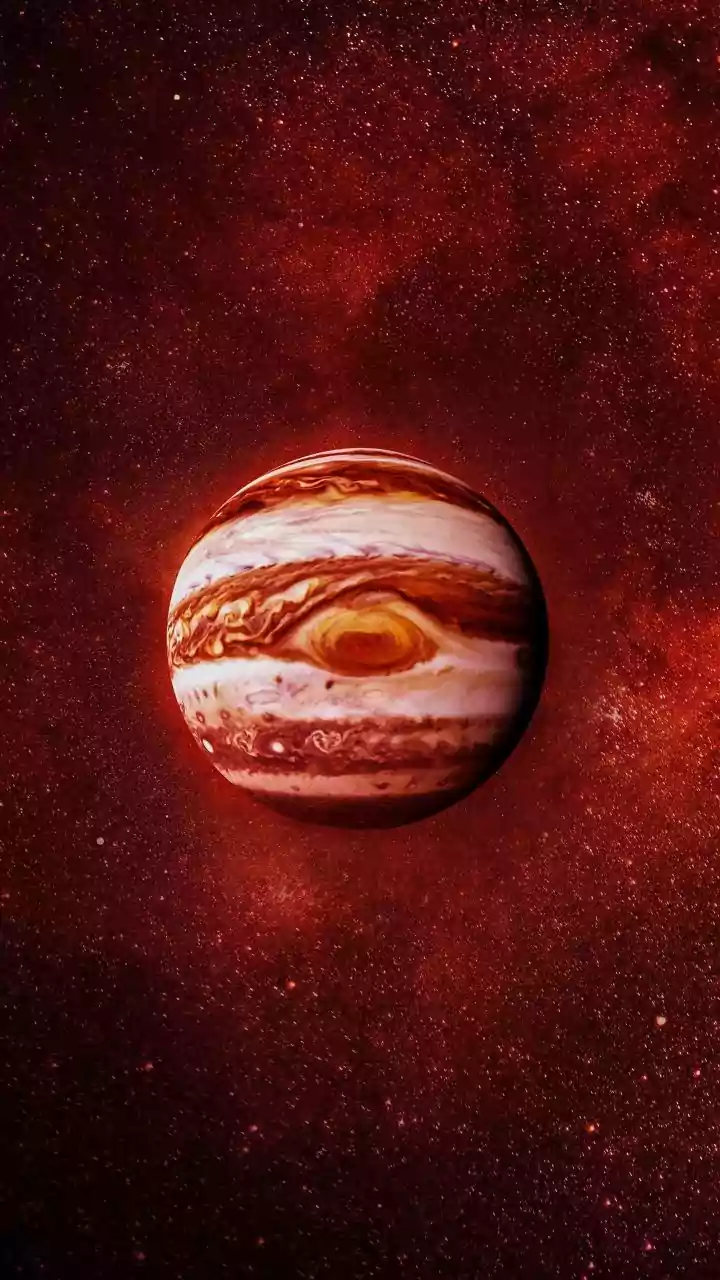
on September 22, making it impossible to miss. Meanwhile, yellowish Saturn rises in the east soon after sunset and remains visible for most of the night. It’s an excellent time to view the ringed planet as it heads towards its brightest point in early October. If you have a small telescope, you'll be treated to the sight of its rings, which have tilted back into view after being nearly edge-on last year. For early risers, the pre-dawn eastern sky is home to two more planets. Very bright Jupiter commands the scene, while the reddish dot of Mars can also be spotted.
Catch a Few Shooting Stars
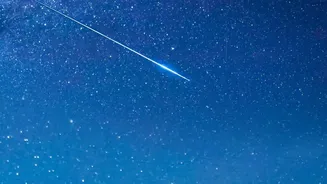
While the famous August Perseids may be over, a quieter display graces the sky this month. The September Epsilon Perseid meteor shower is set to peak on the night of September 9, continuing into the early morning of September 10. This is a minor shower, with an expected rate of only five to eight meteors per hour under ideal conditions. So, why watch? The timing this year is perfect. The shower's peak coincides with a nearly New Moon, meaning the sky will be exceptionally dark, free from moonlight that would otherwise wash out fainter meteors. For the best chance of seeing these fast-moving shooting stars, find a location away from city lights, let your eyes adjust to the darkness for about 20 minutes, and look towards the constellation Perseus in the northeast.
The Elusive 'False Dawn'
For those with access to truly dark skies, mid-September offers a chance to spot a more subtle celestial phenomenon: the zodiacal light. Often called the "false dawn," it appears as a faint, hazy pyramid or cone of light extending up from the eastern horizon before morning twilight begins. This ethereal glow is not from any star, but from sunlight reflecting off a vast cloud of dust particles orbiting the Sun in the same plane as the planets. The best time to look for it is on a moonless night, about 90 minutes before sunrise. With the New Moon falling around September 11 this year, the days surrounding it provide the perfect dark conditions to try and catch a glimpse of this beautiful and mysterious light.
Rise of the Harvest Moon
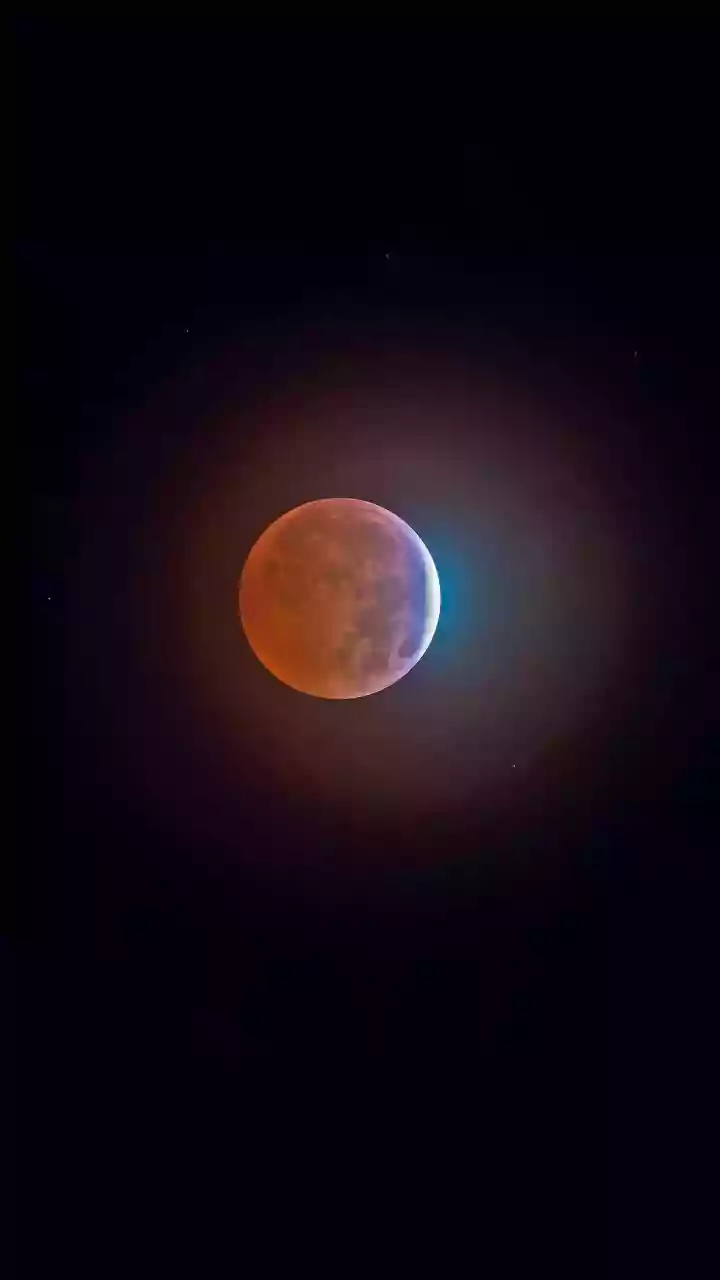
The month concludes with one of the most famous full moons of the year: the Harvest Moon, which will reach peak illumination on September 26. This is the name given to the full moon that occurs closest to the autumnal equinox (on September 22). What makes the Harvest Moon special is a unique orbital quirk. For several evenings in a row around its peak, the moon rises at nearly the same time, close to sunset. Historically, this provided farmers with extra hours of bright moonlight to bring in their crops before the advent of electricity. Look for it rising in the east as the sun sets in the west. As a bonus, the bright planet Saturn will be visible nearby, accompanying the full moon as it travels across the night sky.