







A National Push for an Ancient Grain
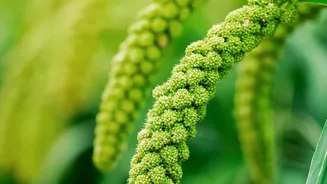
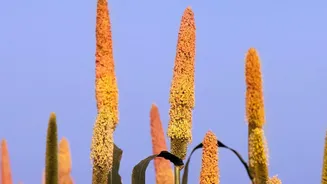
In recent years, India has embarked on a major mission to bring millets back to the forefront of its agricultural and nutritional landscape. Championed at the highest levels and celebrated globally during the International Year of Millets in 2023, these
hardy cereals are being promoted as a solution to modern problems. They are climate-resilient, requiring less water than rice and wheat, and packed with nutrients, making them a powerful tool for fighting malnutrition and ensuring food security in a changing world. While this nationwide push feels like a recent development, for many communities, it is simply a recognition of a way of life that never disappeared.
The Northeast: A Living Millet Museum
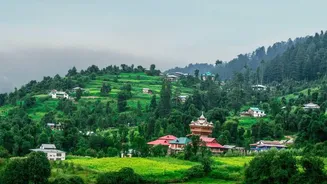
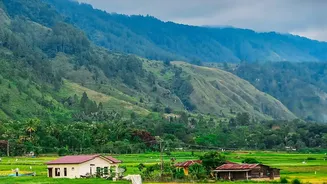
Long before millets became a talking point in policy circles, they were a cornerstone of life in the hills of Northeast India. In states like Nagaland, Sikkim, Arunachal Pradesh, and Meghalaya, indigenous communities have cultivated diverse varieties of millets for centuries. These grains were not just a crop, but an integral part of their food systems, culture, and sustainable agricultural practices like jhum (shifting cultivation). Finger millet, foxtail millet, barnyard millet, and the unique Job's tears have been staples, perfectly adapted to the hilly terrain and extreme weather conditions where other crops might fail.
More Than Just Food
In the Northeast, millets are deeply woven into the cultural fabric. Harvests are marked by festivals filled with rituals and thanksgiving, such as the Metümnyo festival among the Yimkhiung Naga or the Wangala festival of the Garo community. Beyond meals, millets are central to the preparation of traditional fermented beverages, which hold social and ritualistic importance. For instance, 'apong,' a beer brewed in Arunachal Pradesh and Assam, often uses a base of finger or foxtail millet. This deep integration shows that millets provide not just sustenance, but also cultural identity and community cohesion.
A Rich Repository of Diversity
The region is a treasure trove of millet biodiversity, with communities preserving more than 20 species. In Nagaland, farmers from the Chakhesang community dry foxtail millet to save seeds for the next season. In Sikkim, Tshering Gyatso Lepcha, known as the 'Millet Man of Sikkim,' has conserved 14 local millet varieties, inspiring a new generation of farmers to return to these heritage crops. The Adi community in Arunachal Pradesh cultivates Job's tears, known locally as 'anyat,' in mixed-cropping systems that enhance soil health and biodiversity. This genetic diversity is a crucial resource, offering a range of traits for resilience and nutrition that cannot be found in standardised, high-yield crops.
Lessons for India's Millet Mission
As India moves forward with its millet mission, the traditions of the Northeast offer invaluable lessons. The focus here has always been on self-sufficiency and ecological balance, rather than commercial-scale monocultures. Initiatives led by organisations like the North East Network (NEN) in Nagaland have worked to revive millet-based biodiverse farming systems by empowering local women. These efforts show that the future of food security is not just about adopting new technologies, but also about respecting and learning from indigenous knowledge. Supporting these community-led conservation efforts is key to ensuring that this ancient wisdom is not lost.