




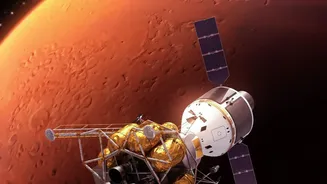

NASA is targeting a return to the Moon's surface with astronauts in 2028. But one of the most critical components of that mission—the vehicle that will actually land on the lunar soil—remains unassigned, sparking a high-stakes competition.
The Artemis Plan and Its Star Players
NASA's Artemis
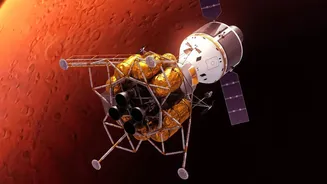
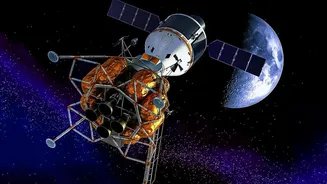
program aims to establish a sustainable human presence on the Moon, a goal that hinges on reliable transportation to and from the lunar surface. The agency is not building this hardware itself. Instead, it is fostering competition between commercial partners to develop Human Landing Systems (HLS). The two primary contenders for this historic task are SpaceX, led by Elon Musk, and Blue Origin, founded by Jeff Bezos. SpaceX is developing a lunar-specific variant of its massive Starship rocket, while Blue Origin is leading a 'National Team' that includes Lockheed Martin and Boeing to build the 'Blue Moon' lander. This strategy is designed to ensure redundancy and drive innovation, preventing a single point of failure from derailing the entire program.
Why the Final Choice Remains Open
Originally, NASA had a more sequential plan, with SpaceX's Starship assigned to the first couple of landings (Artemis III and IV) and Blue Origin's lander slated for Artemis V. However, in a significant strategy shift announced in late 2026, NASA has revised its approach. The Artemis III mission, now scheduled for 2027, has been repurposed as an Earth-orbit test flight where astronauts will rendezvous and dock with test versions of both the SpaceX and Blue Origin landers. This change effectively re-opens the competition for the first landing mission, now designated as Artemis IV in 2028. NASA officials have stated they will wait as long as possible to make the final selection, with the decision ultimately resting on which company demonstrates its systems are ready and safe first.
Two Companies, Two Different Paths
The competing designs from SpaceX and Blue Origin present vastly different engineering philosophies. SpaceX’s Starship HLS is a 52-meter-tall behemoth that will require multiple in-orbit refueling launches before it can journey to the Moon. Astronauts would descend from the crew cabin to the lunar surface via an elevator. Blue Origin’s Blue Moon lander is a more conventional, shorter vehicle standing 16 meters tall, from which astronauts would descend using a ladder. To get to the Moon for the 2028 mission, Blue Origin’s updated plan involves launching its lander and docking it with three separate 'transfer stages' in Earth orbit, which will act as a multi-stage rocket to propel the vehicle toward the Moon. Both approaches are incredibly complex and carry their own unique development challenges.
What's Next in the Lunar Race
The next year is critical for both companies. The Artemis III mission in 2027 will be the first major side-by-side test, evaluating docking procedures and life support systems in the relative safety of Earth orbit. In parallel, both companies must complete uncrewed demonstration landings on the Moon to prove their systems work before NASA will put astronauts on board. SpaceX is targeting its uncrewed landing for late 2027, while Blue Origin plans its own uncrewed demonstration in early 2028. Delays in these test flights or issues discovered during the Artemis III orbital rehearsal could significantly influence NASA's final decision. The agency's flexible strategy allows it to pick the partner that is best positioned to meet the ambitious 2028 deadline.