





A Post-Pandemic Mindset Shift
The world locking down for over two years had a profound psychological impact. For many, it wasn't just travel plans that were paused, but life experiences. The resulting 'revenge travel' phenomenon is a powerful driver, with a collective urge to make
up for lost time. A recent report highlighted a robust post-pandemic rebound in overseas travel spending by Indians, which reached a record $17 billion in FY24. This isn't just about pent-up demand; it's a fundamental change in perspective. Travel has shifted from a discretionary luxury to a lifestyle priority. After years of uncertainty, many are placing a higher value on creating memories and experiencing the world, deciding that some things are worth budgeting for rather than skipping.
The New Aspirational Goal
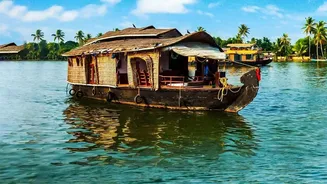
For India's rapidly expanding middle class, the markers of a 'good life' are evolving. While home and vehicle ownership remain important, international travel has firmly established itself as a key aspirational goal. It functions as a visible indicator of success and upward mobility. Rising disposable incomes have given more Indians the financial means to pursue these dream vacations. This trend is amplified by the perception that some international trips can be surprisingly affordable, sometimes costing the same or even less than a peak-season domestic holiday to a destination like Kerala from Delhi. Countries in Southeast Asia and the Middle East, offering new cultural experiences without a prohibitive price tag, have become particularly popular.
The Power of the Social Feed
In the digital age, a holiday is no longer just a private experience; it's content. Social media platforms like Instagram and YouTube have become powerful tools for travel inspiration and validation. Studies show that a vast majority of travellers research destinations on these platforms, heavily influenced by user-generated content and travel influencers. Seeing friends, family, and influencers post from exotic locales creates a potent mix of desire and social pressure. A trip to Switzerland, long romanticised by Bollywood, or a beach holiday in the Maldives becomes a shared cultural touchstone and a 'trending' activity. This has shifted the focus from merely visiting a place to capturing 'Instagrammable' moments, making the visual appeal of a destination a key factor in the decision-making process.
Making the Splurge Financially Feasible
The surge in overseas travel is not just about desire; it's also about access. A growing ecosystem of financial products has made expensive trips feel more manageable. The 'Travel Now, Pay Later' (TNPL) model has seen a significant increase in demand, especially among Millennial and Gen Z travellers. These services allow consumers to book flights and holiday packages and pay for them in smaller, equated monthly instalments (EMIs), often with no extra cost if paid on time. This breaks down a large, intimidating expense into manageable monthly payments, removing the immediate financial barrier and making an international trip feel attainable without years of saving. The demand for these services highlights a strategic shift for young Indians, who use them to manage cash flow while still achieving their travel goals.
An Investment in Experience
Perhaps the most significant driver is the growing global belief in the 'experience economy'. An increasing number of consumers, particularly younger generations, are prioritising spending on experiences over physical goods. This shift is especially pronounced in India, where the experiential travel market is projected to grow significantly. The rationale is simple: the happiness derived from a new adventure, cultural immersion, or personal discovery is seen as more valuable and lasting than a material purchase. This trend reflects a broader desire for self-discovery and personal growth, with solo travel also on the rise. For many, an overseas holiday is no longer an indulgence but a worthwhile investment in their well-being and life story.